
Defense & StrategyAnalysis
Beijing Xiangshan Forum Convenes with Focus on Security Governance
The 13th defense dialogue gathers international military officials and scholars under a theme of stability and multilateral engagement.
Share
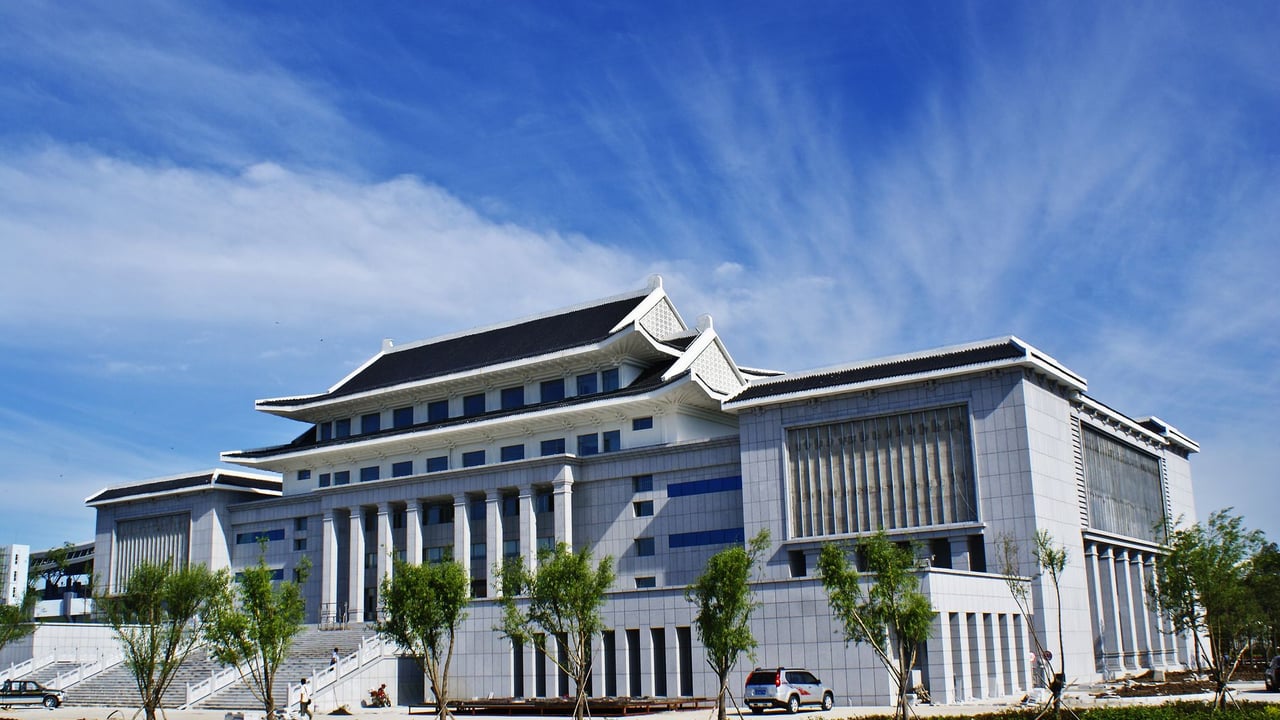
Photo by zhengkui li on Pexels
The Brief
The 13th Beijing Xiangshan Forum opens at the Beijing International Convention Center under the theme "Building Consensus for Stability, Promoting Security Governance Together." Organizers and Chinese military media highlighted the track-1.5 forum's two-decade evolution from a regional defense exchange into a broader platform spanning traditional and non-traditional security topics. With participation from defense officials, former dignitaries, and think tank scholars—including representatives from developing nations and parties involved in regional disputes—the forum reflects Beijing’s ongoing push to promote its Global Security Initiative and position itself as an accessible venue for international security dialogue.
Why it matters
As China’s primary multilateral security and defense forum, the Beijing Xiangshan Forum serves as a key barometer for Chinese defense diplomacy. Amid protracted regional conflicts and strained major-power relations, the platform provides an institutional setting for exchanges among competing geopolitical stakeholders, including developing nations and Western observers.
China context
The forum acts as an operational platform for Beijing’s Global Security Initiative, which advocates dialogue and political settlements over unilateral military pacts. By emphasizing equal representation for Global South states and offering a track-1.5 format blending official and academic voices, Beijing seeks to project an image of an inclusive and responsible security actor.
Editor's View
EDITOR'S VIEW — Analysis and inference, not factual reporting.
While Chinese military media emphasize the forum's inclusive atmosphere and role in bridging divides, the structural reality of track-1.5 diplomacy often reveals friction between rhetoric and strategic execution. Official agendas stress consensus-building and non-traditional security cooperation, yet bilateral side dialogues and closed-door exchanges surrounding high-tension theaters—such as the South China Sea, the Taiwan Strait, and the war in Ukraine—are where participants actually gauge Beijing's operational stances. Observers should look past the scripted multilateral themes to evaluate how candidly PLA officials engage foreign counterparts on contentious maritime and geopolitical issues.
What to watch
- Keynote addresses delivered by high-ranking PLA officials for authoritative signals on China's defense posture and international military relations.
- Bilateral interactions and informal exchanges between Chinese and U.S. defense officials or scholars during closed-door and plenary sessions.
- Discussions during parallel sessions involving representatives from regional conflict zones regarding conflict management and peace proposals.
Key Takeaways
- 1The 13th Beijing Xiangshan Forum launched in Beijing under the theme of building stability and joint security governance.
- 2The forum's program features four plenary sessions, eight parallel panels, closed-door talks, and high-level interviews.
- 3The agenda addresses traditional defense concerns such as regional flashpoints alongside emerging technologies and counter-terrorism.
- 4Chinese military coverage tied the gathering directly to the Global Security Initiative, emphasizing dialogue and participation by Global South nations.
The 13th Beijing Xiangshan Forum opened on September 15 at the Beijing International Convention Center, convening defense leaders, military commanders, international organization representatives, and security scholars around the theme "Building Consensus for Stability, Promoting Security Governance Together," according to state-run military media.
First organized two decades ago, the forum has evolved into China’s most prominent platform for high-level security and defense diplomacy. According to reports published by the PLA Daily and the Ministry of National Defense, this year's agenda comprises four plenary sessions and eight parallel panel discussions, alongside dedicated closed-door sessions and high-level interviews.
The forum's discussions span both traditional and non-traditional security issues. Agenda topics cited by Chinese state media include strategic stability, regional flashpoints, emerging military technologies, counter-terrorism operations, and the international legal framework governing armed conflict. Organizers stressed a track-1.5 approach that combines the formal weight of governmental defense delegations with the flexibility of academic analysis.
Chinese military commentaries framed the event as an embodiment of the principles underlying Beijing's Global Security Initiative (GSI), specifically the proposition that interstate disputes should be resolved through negotiated, peaceful settlements. Media reports underscored efforts to ensure balanced representation across developed countries, emerging economies, and smaller nations, explicitly noting the attendance of delegates from the Global South as well as parties directly involved in active regional disputes.
According to the PLA Daily, the theme's emphasis on "stability" highlights the preservation of basic international order during a period of geopolitical volatility, while the focus on "governance" targets collaborative mechanisms to resolve structural security deficits. As geopolitical fragmentation strains established multilateral frameworks, the forum offers an institutional window into how China intends to articulate its alternative vision for regional and global security architecture.
Sources
- 在真诚对话中凝聚和平共识 - 中国军网 — China Military Online · 9/11/2026
- 坚持对话合作 共创持久和平——第十三届北京香山论坛前瞻 — China Military Online · 9/14/2026
- 坚持对话合作 共创持久和平——第十三届北京香山论坛前瞻 — Ministry of National Defense · 9/14/2026