
Technology & AIAnalysis
Changan Automobile Unveils In-House Tianshu Smart Driving Architecture
The state-owned automaker introduces an end-to-end, lidar-equipped driving assist system as legacy manufacturers push for technical self-reliance.
Share
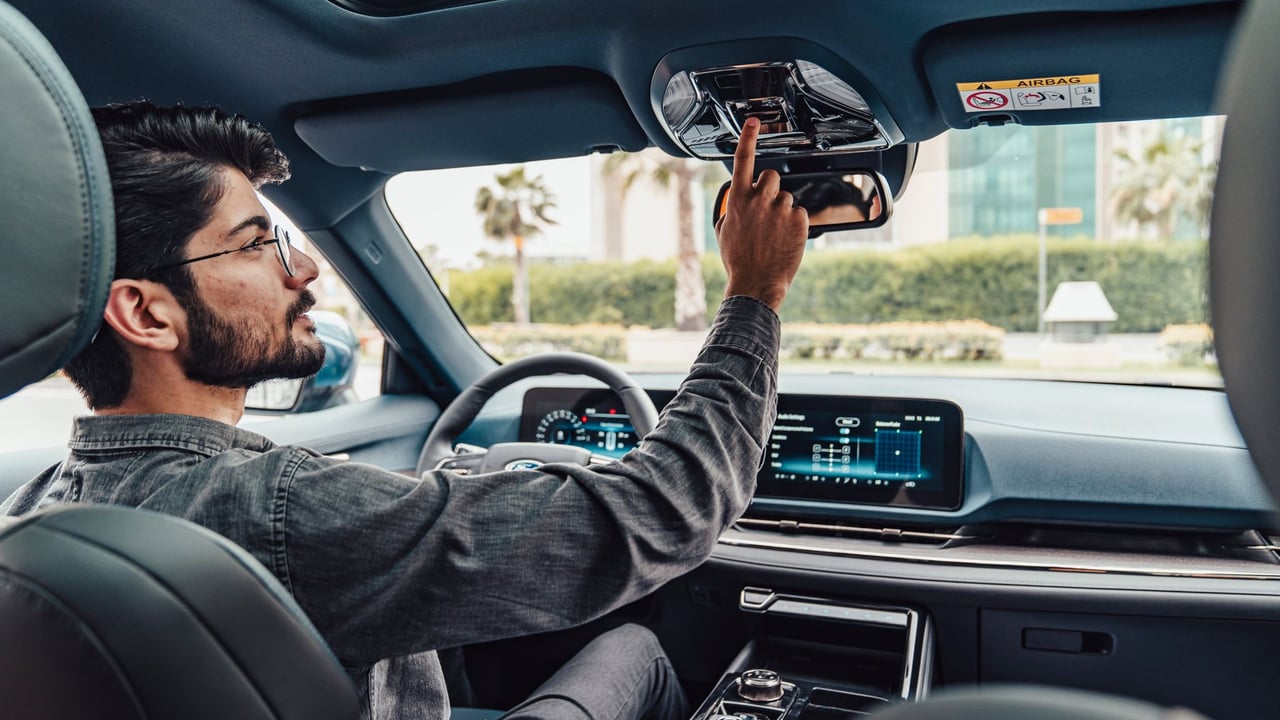
Photo by Dextar Studio ™ on Pexels
The Brief
State-owned automaker Changan Automobile has officially released its proprietary intelligent driving assistance system, Tianshu Linghang, marking a strategic move by traditional Chinese carmakers into high-end autonomous vehicle technology. Developed after a reported decade-long R&D investment exceeding 60 billion yuan, the system utilizes a single-stage end-to-end model trained on over 20 million data segments and equips all trim levels with lidar. First deployed on the Changan Qiyuan Q06, the platform emphasizes active safety after completing five million kilometers of real-world Level 3 testing in Chongqing.
Why it matters
While China's intelligent vehicle space has long been headlined by EV startups and big tech partnerships, Changan's launch demonstrates that traditional state-owned enterprises are aggressively pursuing proprietary software, algorithms, and end-to-end artificial intelligence models to avoid technological dependency.
China context
The deployment aligns with Beijing's national push for industrial self-reliance in critical automotive technologies, such as advanced chips and intelligent operating systems. Validating systems across challenging domestic road topologies like Chongqing also reflects the industry's shift toward standard-setting in active safety architectures.
Editor's View
EDITOR'S VIEW — Analysis and inference, not factual reporting.
Changan's rollout of the Tianshu Linghang platform underlines a structural shift in China's automotive hierarchy. For years, legacy state-backed original equipment manufacturers relied heavily on joint ventures or third-party autonomous driving suppliers to keep pace with agile new-energy vehicle startups. By investing heavily in a 7,500-person intelligence team and opting for end-to-end deep learning paired with standard lidar, Changan is signaling that core automotive software can no longer be outsourced if traditional players hope to protect their margins and long-term brand equity.
What to watch
- Market feedback and actual disengagement rates for the Tianshu Linghang system on the newly launched Changan Qiyuan Q06
- Deployment timelines for migrating the Tianshu platform across Changan's other sub-brands, including Deepal and Avatr
- Regulatory developments in China concerning operational liability and commercial approvals for Level 3 autonomous driving systems
Key Takeaways
- 1Changan Automobile released Tianshu Linghang, an in-house intelligent driving assist system spanning four product tiers.
- 2The system uses a single-stage end-to-end model trained on over 20 million real-world driving segments and includes lidar across all tiers.
- 3Changan logged more than five million kilometers of real-world Level 3 testing in Chongqing prior to the launch.
- 4The automaker disclosed over 60 billion yuan in R&D spending over the past decade and an intelligence team of more than 7,500 staff.
- 5The first commercial vehicle equipped with the system is the Changan Qiyuan Q06.
State-owned automaker Changan Automobile has launched its proprietary intelligent driving assistance platform, named Tianshu Linghang, signaling a major push by China's traditional automotive base to field homegrown autonomous driving technology.
According to a report by People's Daily, the Tianshu Linghang system was officially unveiled on September 4, 2026, following the completion of five million kilometers of Level 3 real-world road testing across the challenging urban terrain of Chongqing. The platform is structured across four product tiers—Pro, Max, Ultra, and Ultimate—and features standard lidar hardware and a single-stage "end-to-end" architecture across all variants.
The single-stage end-to-end design integrates perception, decision-making, and motion planning into a single unified deep learning model, moving away from conventional rule-based modules programmed manually by software engineers. Changan reported that the system was trained on more than 20 million high-quality real-world driving segments, designed to replicate natural human driving behaviors during acceleration, braking, and lane changes.
The development represents the culmination of more than ten years of research and development, backed by over 60 billion yuan in capital expenditure and an intelligent vehicle engineering team exceeding 7,500 personnel. Speaking at the launch, Zhu Huarong, party secretary and chairman of Changan Automobile, emphasized a corporate shift toward a "broad safety" philosophy, transitioning the vehicle's defense mechanisms from passive physical crash protection to proactive algorithmic risk avoidance. The system is engineered to detect road hazards in adverse conditions such as low lighting, glare, and heavy rain or fog faster than human reaction times.
The Tianshu Linghang platform has entered serial production, making its market debut on the Changan Qiyuan Q06. The rollout reflects broader strategic goals within China's automotive sector to master core software stacks, shifting the position of state-backed manufacturers from technology followers to primary system architects.
Sources
- 央企入局,智能驾驶辅助迎来“安全派”新玩家--经济·科技--人民网 — People's Daily · 9/8/2026