
Policy & RegulationAnalysis
China Standardizes 12th Bulk Drug Procurement Batch Covering 65 Categories
China's healthcare authority includes 65 drug varieties in its latest centralized procurement round, shifting toward longer contract terms and rational pricing.
Share
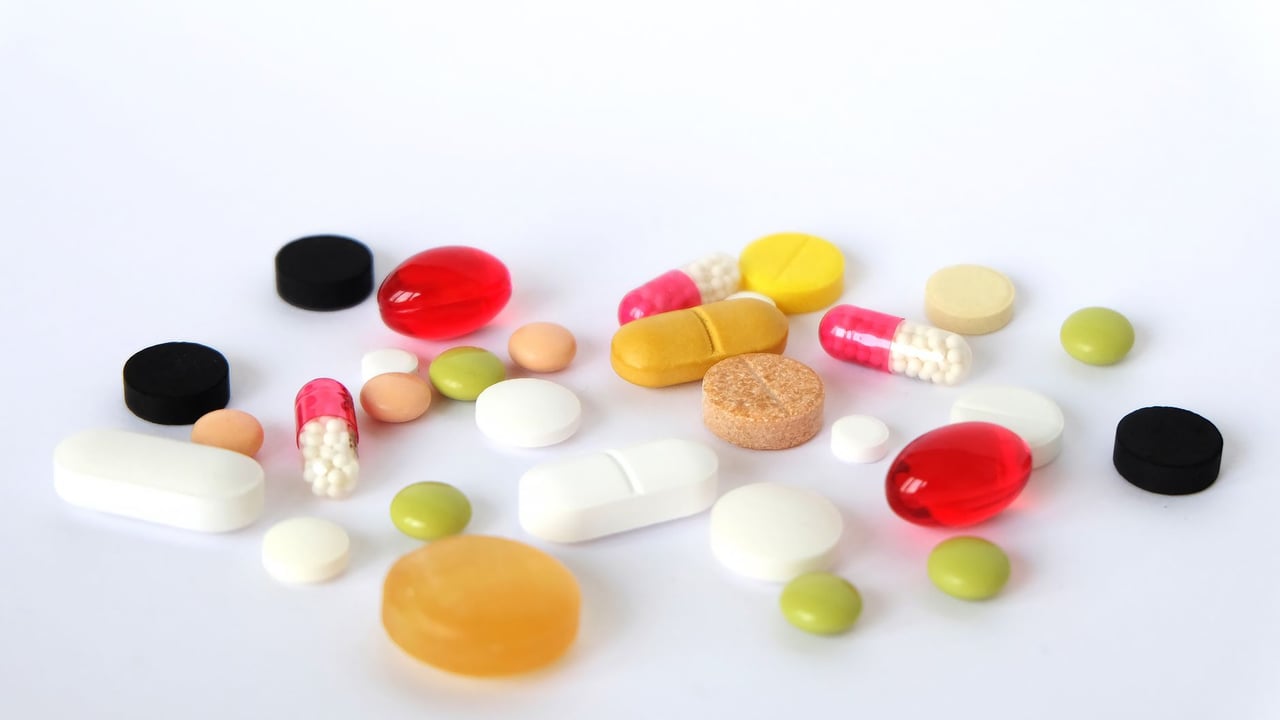
Photo by yana on Pexels
The Brief
China has launched its 12th batch of national drug volume-based procurement (VBP), encompassing 65 drug categories, according to reports by Xinhua and Yicai. The National Healthcare Security Administration (NHSA) signaled a strategic policy shift toward long-term market stability, encouraging pharmaceutical firms to submit rational bids balancing price and supply volume. With single-round bids determining supply contracts spanning three years, regulatory guidance explicitly discouraging race-to-the-bottom pricing tactics underscores Beijing's evolving approach to managing medical costs while maintaining sustainable drug supply chains.
Why it matters
As one of China's largest centralized pharmaceutical procurement rounds, the 12th VBP batch directly affects drug affordability for millions of patients with chronic and severe conditions. The shift toward longer three-year procurement contracts and a policy focus that avoids relying solely on the lowest offer helps ensure fair margins for drugmakers, discouraging cutthroat pricing competition while stabilizing national supply for key therapies, including lower-cost original branded pharmaceuticals.
China context
China's National Healthcare Security Administration continues to refine its drug procurement framework to curb destructive price wars and foster a healthier market environment. By encouraging firms to offer rational bids aligned with volume, regulators aim to steer domestic and foreign pharmaceutical companies toward product quality and sustained research and development rather than unsustainable price slashes.
Editor's View
EDITOR'S VIEW — Analysis and inference, not factual reporting.
The 12th centralized procurement round marks a mature iteration of China's bulk drug purchasing policy. By extending contract horizons to three years and moving away from absolute lowest-bid evaluation, regulators demonstrate a willingness to trade aggressive short-term cost savings for long-term supply resilience and drug quality. This regulatory maturation benefits patients seeking access to affordable original branded drugs while offering predictable market access for pharmaceutical manufacturers willing to operate within China's structured healthcare framework.
What to watch
- Formal publication and official confirmation of the winning bid lists for the 65 drug categories.
- Implementation schedules and contract allocation protocols across provincial procurement platforms.
- Market share transitions between original branded pharmaceuticals and generic alternatives across clinical hospital networks.
Key Takeaways
- 1China's 12th national centralized procurement round includes 65 drug categories.
- 2The National Healthcare Security Administration urged firms to offer rational bids balancing price and volume.
- 3Single bids under this round will fix supply arrangements for a three-year procurement period.
- 4The policy framework explicitly shifts away from evaluating bids solely on the lowest price offered.
China has rolled out its 12th national volume-based procurement (VBP) round covering 65 drug categories, marking a continued evolution in the country's centralized pharmaceutical purchasing framework, according to reports by state media Xinhua and financial outlet Yicai.
The latest procurement cycle highlights a shift in regulatory priorities by China's National Healthcare Security Administration (NHSA). The agency explicitly advised participating pharmaceutical companies to submit rational bids that balance price reductions with volume commitments, signaling a departure from previous practices that often rewarded extreme price cuts above all else. Under the updated guidelines, the procurement framework no longer evaluates submissions based solely on lowest-price criteria, aiming instead to discourage destructive price wars among domestic and multinational drug manufacturers.
A key feature of this 12th batch is its extended contract horizon. A single bidding round will establish procurement allocations and pricing for a three-year period, significantly increasing the long-term stakes for pharmaceutical suppliers competing in the Chinese market. The longer timeframe provides winning bidders with sustained market access and predictable demand, while obligating manufacturers to maintain stable production and distribution capacity over the multi-year cycle.
Among the items included in the 12th procurement round are high-value therapies and widely used pharmaceuticals, offering patients potential access to significantly lower-priced original branded drugs alongside generic alternatives. Industry observers note that the regulatory shift toward rational pricing is intended to preserve reasonable profit margins for manufacturers, thereby safeguarding supply stability and encouraging investment in quality and innovation rather than cost-cutting at the expense of drug availability.
As provincial health authorities move to confirm order volumes and prepare for downstream execution, hospital procurement departments across China will monitor the actual substitution rates between original branded medicines and domestic generics. Official confirmation of the winning bid results for all 65 drug varieties is expected to follow standard review procedures.
Sources
- 新一批集采中销售额最高的药中标结果曝光,可以买到便宜的原研药了 — Yicai · 7/31/2026
- 新一批国家药品集采纳入65个品种 — China News Service · 7/31/2026