
Policy & RegulationAnalysis
China Accelerates Youth Football Training System Reforms During Beijing Inspection
State Councilor Shen Yiqin urges sustainable grassroots development, sports-education integration, and strict competition conduct.
Share
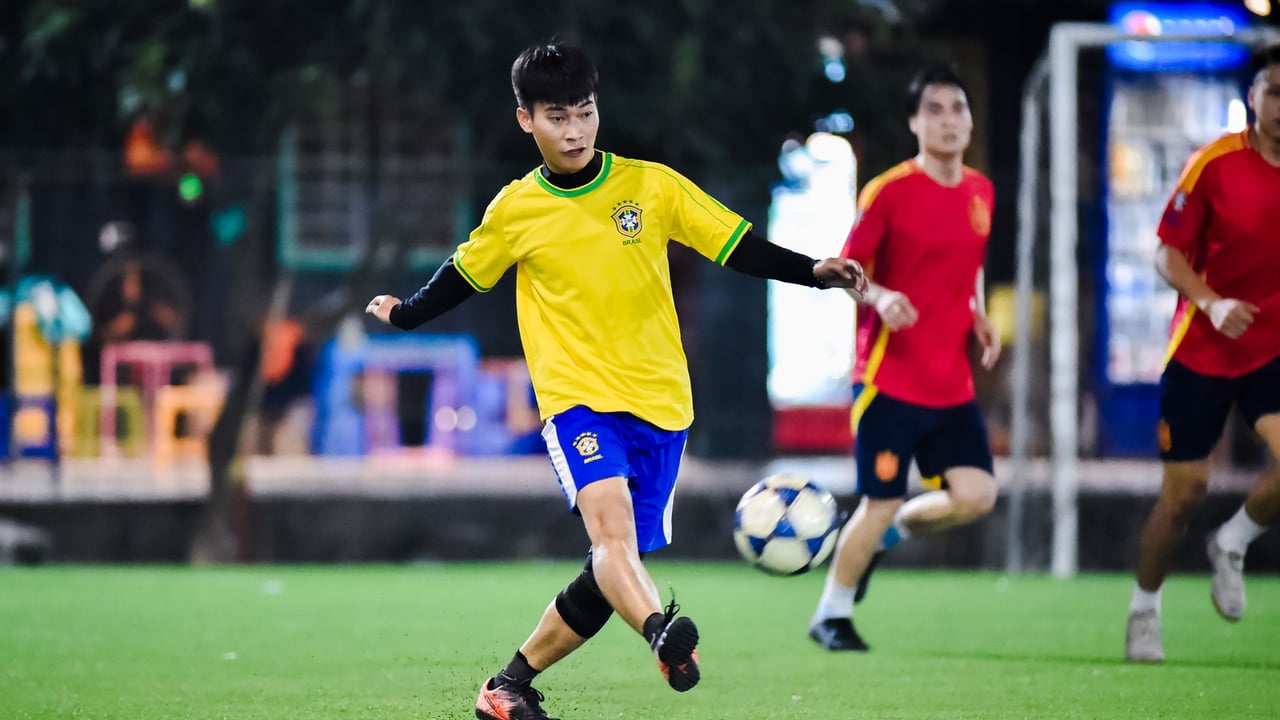
Photo by ANH LÊ on Pexels
The Brief
During an inspection tour in Beijing, State Councilor Shen Yiqin called for accelerating the construction of China's youth football training system and enhancing the development of reserve talent for competitive sports. Visiting local youth training facilities and the Xiannongtan Sports School, Shen emphasized establishing a sound performance outlook, combining governmental guidance with market mechanisms, and advancing sports-education integration to build a solid foundation for the long-term revitalization of Chinese football.
Why it matters
The development of a robust youth training infrastructure is critical to the broader national strategy of transforming China into a sporting powerhouse. By stressing long-term perseverance over quick results, leadership aims to reform grassroots talent cultivation through systematic institutional support, structured school sports, and market participation.
China context
In recent years, Chinese sports authorities have prioritized integrating athletics with regular academic education while intensifying oversight of match discipline and integrity. Moving away from short-term performance pressures toward structural talent pipelines reflects a wider effort to clean up and rebuild the governance of Chinese football from the ground up.
Editor's View
EDITOR'S VIEW — Analysis and inference, not factual reporting.
Shen's remarks reflect a continued central push to address systemic weaknesses in Chinese sports governance, particularly in football. Emphasizing both capable government involvement and effective market mechanisms signals an effort to balance state-backed institutional pipelines, such as traditional sports schools, with broader grassroots participation in regular schools and commercial academies.
What to watch
- The rollout and funding pace of youth football training centers at various administrative levels across the country.
- Policy measures facilitating deeper collaboration between specialized sports schools and standard educational institutions.
- Enforcement mechanisms addressing competition discipline, referee integrity, and sports ethics at youth tournaments.
Key Takeaways
- 1State Councilor Shen Yiqin conducted an inspection in Beijing focusing on youth football training systems and sports talent pipelines.
- 2Shen highlighted the need to combine governmental guidance with market forces to build multi-level youth training centers.
- 3Authorities were instructed to strictly enforce competition conduct, strengthen coaching staff, and promote campus football.
- 4The inspection at Xiannongtan Sports School underscored deepened sports-education integration to ensure balanced academic and athletic growth.
State Councilor Shen Yiqin called for the accelerated development of China's youth football training system and the enhancement of reserve athletic talent cultivation during an inspection tour in Beijing, state media reported.
During her visit, Shen inspected the Beijing Youth Football Training Center and observed matches at the Beijing Youth Football "Hundred Teams Cup." She stated that relevant departments must align with the spirit of the National Football Work Conference and establish a correct concept of performance evaluation, urging officials to persevere in strengthening youth training to solidify the foundation for revitalizing Chinese football.
Shen emphasized that the initiative should combine a capable government with an effective market. Authorities should ground reforms in domestic realities while drawing on advanced international experience to accelerate the construction of youth training centers at all levels. She highlighted the need to focus comprehensively on academic learning, training, and competition, which includes strengthening the coaching workforce, developing campus football, optimizing tournament structures, and strictly managing competition conduct and discipline.
In addition to football facilities, Shen inspected the development of the Xiannongtan Sports School. She underscored that traditional sports schools remain crucial strongholds for nurturing competitive sports reserve talent in China. Shen stressed the importance of respecting the natural growth patterns of youth, refining institutional mechanisms, and deepening the integration of sports and education to ensure balanced development between academic studies and athletic training.
Sources
- 谌贻琴在北京市调研时强调 加快建设足球青训体系 提升竞技体育后备人才培养水平--时政--人民网 — People's Daily · 8/21/2026
- 谌贻琴在北京市调研时强调 加快建设足球青训体系 提升竞技体育后备人才培养水平 — State Council of China · 8/21/2026