
Policy & RegulationAnalysis
China Expands Agricultural Insurance Protection as Flood and Drought Risks Mount
Payouts reached 46 billion yuan in the first half of the year as policy mechanisms shift toward full-cost and revenue coverage.
Share
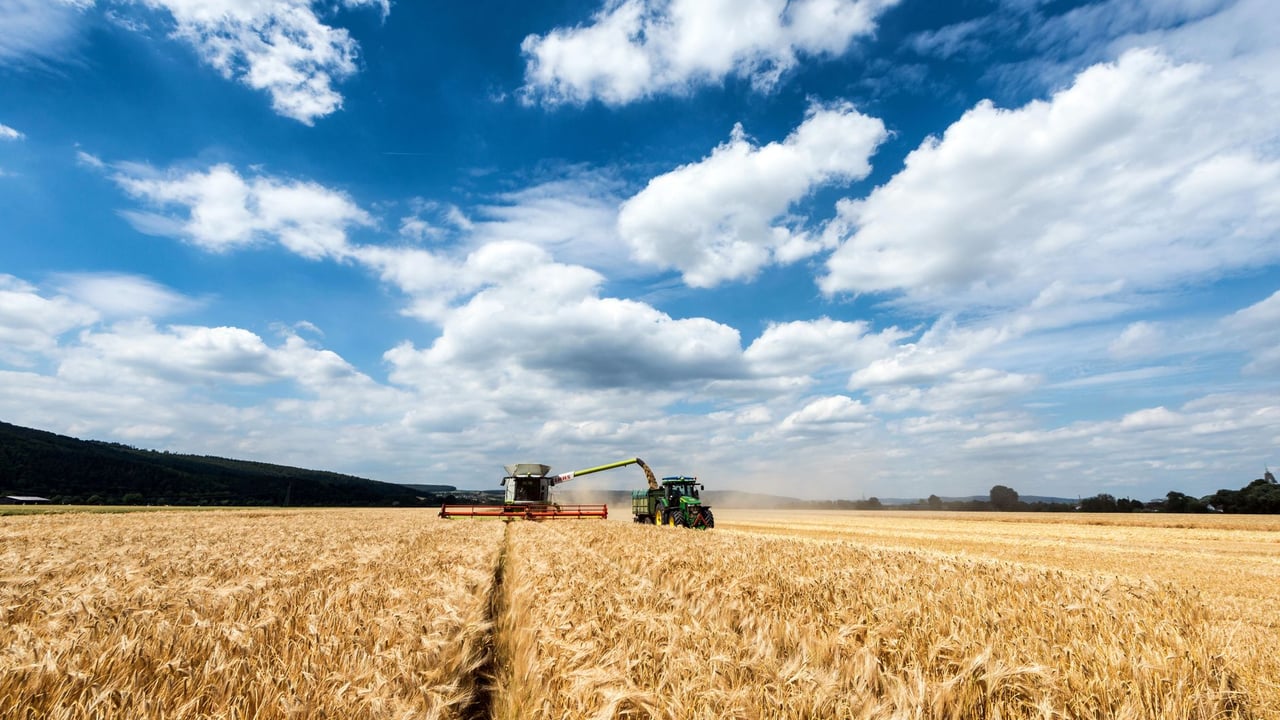
Photo by Wolfgang Weiser on Pexels
The Brief
China's agricultural insurance sector paid out 46 billion yuan in claims during the first half of the year as extreme weather hit key farming regions, according to state media. Amid ongoing summer floods and high temperatures, authorities are highlighting coverage options across staple grains, specialty crops, and livestock. Subsidized policies increasingly cover complete production costs and target revenues rather than just input costs, while insurers expand risk-mitigation measures such as drone spraying and early weather alerts to protect harvests.
Why it matters
As climate volatility increases the frequency of severe floods and droughts, agricultural insurance serves as an essential financial buffer to protect rural incomes and ensure national food security. Clear guidelines on subsidies, loss assessment timelines, and claim procedures help farmers recover more rapidly from natural disasters.
China context
China maintains the world's largest agricultural insurance market by premium volume. Policy-backed insurance relies heavily on multi-tiered government subsidies, often leaving farmers to pay only a fraction of premium costs. Recent policy directives focus on transitioning standard crop insurance from basic input-cost coverage to full production costs and income guarantees.
Editor's View
EDITOR'S VIEW — Analysis and inference, not factual reporting.
The operational focus of China's agricultural insurance is clearly pivoting from reactive disaster compensation to active risk management. By deploying preventative technology like automated drone spraying and regional early warning systems, insurers are attempting to minimize crop losses before claims materialize. As extreme weather events grow more intense and localized, the efficiency of loss appraisal within statutory deadlines will test the resilience of local administrative and claims-processing networks.
What to watch
- Progress of disaster assessment and timely payout distribution following late-summer rainstorms and regional droughts
- Expansion of provincial and municipal subsidy programs for local specialty crops and aquaculture
- Integration of agricultural technology, including drone operations and digital weather warnings, in pre-disaster mitigation
Key Takeaways
- 1China's agricultural insurance payouts reached 46 billion yuan in the first half of the year as weather hazards impacted crops.
- 2Insurance programs cover both staple commodities and local specialty produce under cost-protection and revenue-guarantee models.
- 3Government subsidies substantially reduce farmer costs, with local examples showing farmers paying as little as 20% of the total premium.
- 4Regulatory rules mandate loss assessments within 3 days for livestock and 10 to 20 days for crop damage.
- 5Insurers are expanding pre-disaster mitigation, using drones and meteorological warnings to actively reduce crop damage.
Amid adverse weather conditions including torrential summer downpours in eastern and northern China and prolonged heat and drought in the Huang-Huai region, agricultural insurance has taken center stage as a primary buffer for farming operations, according to a report by People's Daily.
According to officials from the Ministry of Agriculture and Rural Affairs, insurable agricultural goods fall into two main categories: bulk agricultural commodities critical to national livelihood—including wheat, corn, rice, cotton, potatoes, oilseeds like soybeans, sugar crops, natural rubber, and livestock such as pigs, cattle, and sheep—and locally advantaged specialty products, which include fruits, vegetables, tea, traditional Chinese medicinal herbs, edible fungi, and select aquatic products.
Policy-oriented agricultural insurance primarily operates under cost-protection and revenue-protection frameworks. Revenue insurance sets target earnings based on projected yields and market prices, paying out if disasters reduce output or if market prices drop below set thresholds. Cost-protection insurance is divided into input-cost coverage, which covers direct expenses like seeds and fertilizer, and full-cost coverage, which further incorporates land rent and labor expenses.
To keep insurance accessible, fiscal subsidies cover a significant portion of premiums. In Putian, Fujian province, for example, the 2026 subsidy standard for full-cost rice insurance sets the insured amount at 1,000 yuan per mu with a 3% premium rate (30 yuan). After government subsidies, farmers pay 20% of the premium, amounting to 6 yuan per mu.
Regulatory standards set strict timelines for claim settlements. Under administrative measures issued by the former China Banking and Insurance Regulatory Commission, total loss appraisals for crops and forestry must be completed within 10 days of reporting, while partial losses must be assessed within 20 days. Livestock loss assessments must be finalized within 3 days.
Insurers are also shifting toward end-to-end prevention. During the recent summer harvest in Henan province, insurers used agricultural drones across 81,000 mu of wheat fields to mitigate high-incidence crop diseases, reducing yield loss risks by 15% to 20%. In Xizang, insurers combined online meteorological alerts with ground personnel to assist herders in relocating livestock and reinforcing shelters. Data indicates that China's agricultural insurance premium volume ranks first globally, with total nationwide insurance payouts reaching 46 billion yuan in the first half of the year.
Sources
- 财米油盐丨“七下八上”汛期,农业保险都赔了什么?--经济·科技--人民网 — People's Daily · 8/20/2026