
Policy & RegulationAnalysis
China Outlines 2030 Livestock Plan to Stabilize Hog Cycles and Modernize Farming
The 15th Five-Year Plan targets dynamic capacity controls, grain-saving feed practices, and integration between corporate agribusinesses and smallholders.
Share
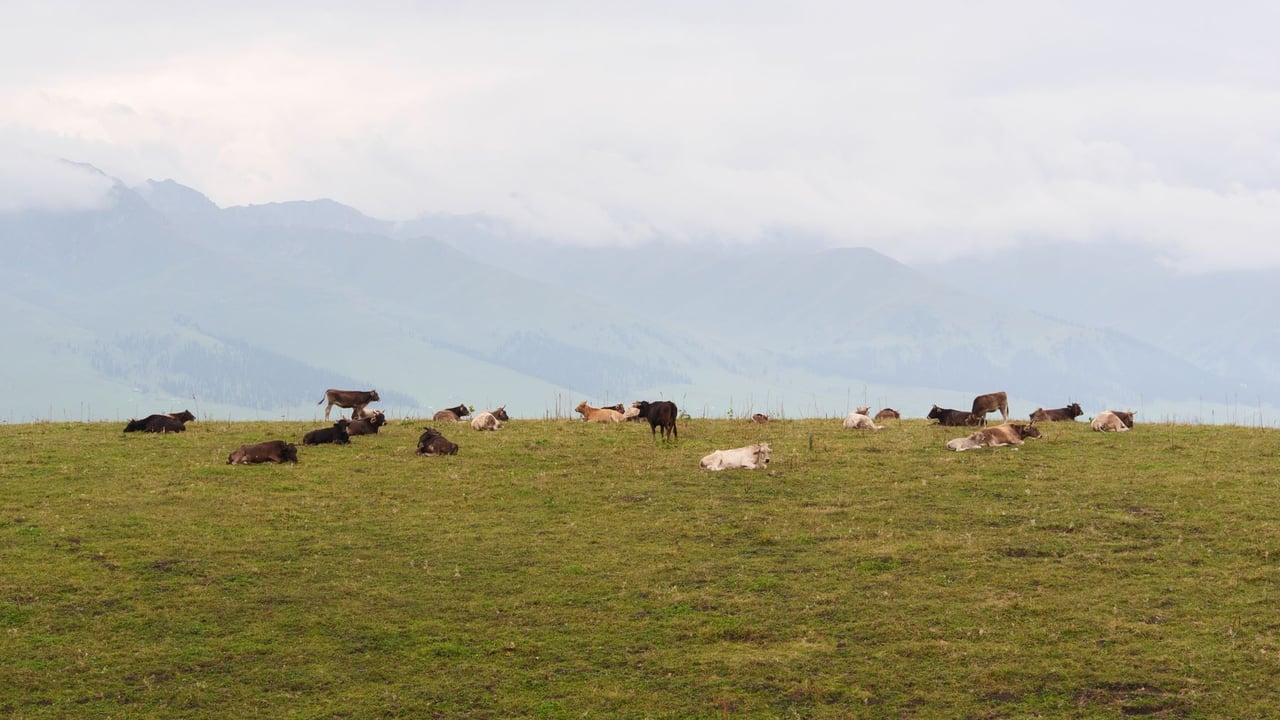
Photo by Rain Lü on Pexels
The Brief
China's Ministry of Agriculture and Rural Affairs has issued the 15th Five-Year Plan for the national livestock and veterinary sector, setting targets to consolidate comprehensive production capacity by 2030 and achieve basic modernization by 2035. The policy framework focuses on curbing cyclical supply swings in pork through coordinated central-provincial capacity management, upgrading slaughter and disease-control protocols, promoting grain-saving feed formulations, and accelerating artificial intelligence adoption in animal husbandry.
Why it matters
Sustaining a stable supply of meat and animal products is central to China's domestic food security strategy. By establishing dynamic, multi-tier intervention mechanisms to smooth the volatile "hog cycle" and pushing for grain-efficient feeding standards, Beijing seeks to shield consumers and producers from extreme price shocks while lowering the livestock industry's dependence on imported feed grains.
China context
The blueprint highlights a dual policy objective: preventing reckless, debt-fueled corporate expansion while requiring major agribusiness conglomerates to bring small and medium family farms into modern commercial supply chains. This approach aligns with China's broader rural revitalization agenda, aiming to balance capital-intensive scale efficiencies with rural employment and income distribution.
Editor's View
EDITOR'S VIEW — Analysis and inference, not factual reporting.
The long-term credibility of this plan hinges on whether ministerial-provincial coordinated controls can genuinely tame the hog cycle where prior administrative interventions produced mixed results. In recent cycles, rapid herd expansion by listed corporate producers undermined centralized capacity guidance, leading to deep price troughs. How effectively the ministry enforces provincial compliance and coordinates output targets with private agribusiness investment decisions will be the critical test.
What to watch
- Release of the complete text of the 15th Five-Year Plan detailing specific quantitative production targets and sow inventory benchmarks.
- Implementation rules governing the tiered central-provincial dynamic monitoring and intervention mechanism for hog breeding herds.
- Fiscal incentives and technical guidelines issued to encourage grain-saving feeding formulas and smart livestock facilities.
Key Takeaways
- 1Ministry of Agriculture and Rural Affairs issued the 15th Five-Year Plan for the livestock and veterinary sector.
- 2Policy targets consolidating comprehensive production capacity by 2030 and reaching basic modernization by 2035.
- 3A coordinated central and provincial mechanism will dynamically regulate hog capacity to prevent market gluts and shortages.
- 4Large agricultural companies are instructed to partner with smallholders to upgrade their operational standards.
- 5The roadmap prioritizes grain-saving feed formulas, AI-enabled smart farming, and stricter environmental and disease controls.
China has released a strategic roadmap for its livestock and veterinary sector under the upcoming 15th Five-Year Plan period (2026–2030), targeting consolidated comprehensive production capacity by 2030 and basic sector-wide modernization by 2035, according to a report by Xinhua citing the Ministry of Agriculture and Rural Affairs.
The regulatory blueprint establishes intermediate milestones to optimize industrial structure and enhance livestock product diversity. By 2030, authorities intend to refine production scale and value-chain coordination, expand the role of leading agribusinesses in supporting smallholder farmers, improve rural profit-sharing mechanisms, and significantly raise operating standards across small and medium-sized farms.
A central focus of the plan is addressing cyclical volatility, particularly in pork production. The ministry outlined measures to establish a comprehensive industrial regulation mechanism that dynamically tracks supply and demand. Under this system, central and provincial authorities will coordinate capacity adjustments, fine-tune national targets, stabilize basic breeding sow capacity, and lift sow reproductive productivity to align upstream breeding with downstream consumption.
The document also details directives to strengthen biosecurity and environmental compliance. Planned measures include reinforcing prevention mechanisms against major animal epidemics, tightening veterinary quarantine supervision, standardizing livestock slaughterhouse management under strict quality norms, and upgrading processing facilities. In addition, the ministry called for standardizing the resource utilization of livestock manure, synchronizing agricultural recycling with environmental protection rules, and curbing emissions, odor, and carbon output.
Technological modernization forms another pillar of the five-year agenda. The ministry pledged stronger support for agricultural research and field application, prioritizing domestic breeding programs, commercial forage industry growth, feed-grain reduction practices, and the integration of artificial intelligence and digital technologies into smart livestock farming operations.
Sources
- 我国力争到2030年畜牧业综合生产能力进一步巩固--经济·科技--人民网 — People's Daily · 9/11/2026