
Daily BriefAnalysis
China Allocates 11,000 Disaster Relief Items to Jilin and Heilongjiang
Central government agencies step in to support emergency relief efforts across Northeast China.
Share
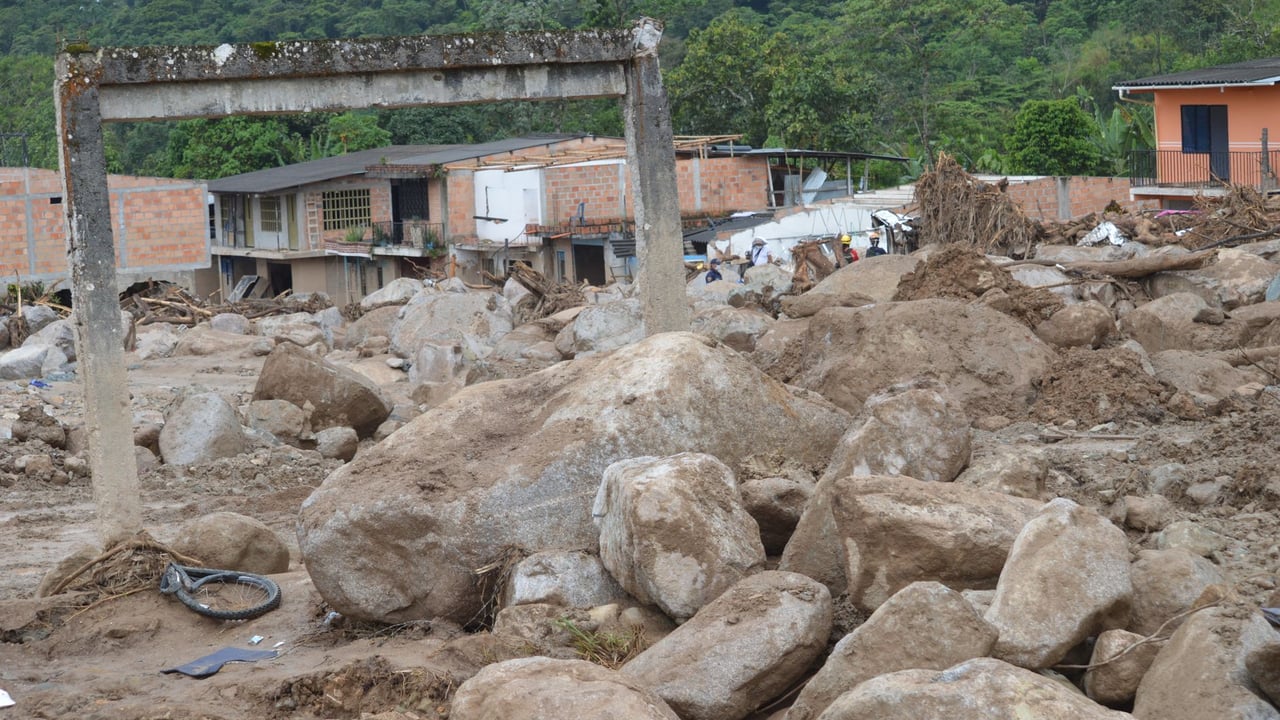
Photo by Franklin Peña Gutierrez on Pexels
The Brief
Three Chinese central departments have coordinated the emergency dispatch of 11,000 central disaster relief items to support disaster relief and assistance operations in Jilin and Heilongjiang provinces. The supply allocation aims to reinforce local relief capabilities and help secure basic living necessities for affected residents across the northeastern region.
Why it matters
The emergency allocation helps relieve pressure on local emergency reserves in northeastern China, helping local authorities maintain basic living standards for residents displaced or impacted by seasonal disaster conditions.
China context
China routinely relies on a coordinated multi-department emergency mechanism to manage natural disasters. Under this framework, central agencies including the Ministry of Emergency Management and the National Grain and Strategic Reserves Administration jointly manage emergency logistics to quickly dispatch national reserves to impacted provinces.
Editor's View
EDITOR'S VIEW — Analysis and inference, not factual reporting.
The prompt release of central reserves highlights China's institutionalized protocol for managing seasonal disaster risks. While national allocation functions swiftly, the primary operational challenge lies in the efficiency and equity of local distribution at the municipal and county levels to ensure aid reaches the most vulnerable communities rapidly.
What to watch
- The transportation speed and distribution progress of central relief supplies across affected communities in Jilin and Heilongjiang.
- Weather developments, precipitation levels, and flood warnings in northeastern China.
- Potential follow-up central financial subsidies or additional material support if disaster conditions expand.
Key Takeaways
- 1Three central Chinese departments allocated 11,000 central disaster relief items to Jilin and Heilongjiang provinces.
- 2The materials aim to bolster local response capacity and ensure basic living conditions for affected populations.
- 3The move reflects China's multi-agency mechanism for coordinating national reserve deployments during regional emergencies.
Three central government departments in China have coordinated the emergency allocation of 11,000 items of central disaster relief supplies to support disaster relief and assistance work in Jilin and Heilongjiang provinces, according to state media coverage published by China News Service.
The supply dispatch forms part of targeted central support for northeastern China as local authorities manage ongoing disaster response efforts. In China's emergency management framework, central disaster relief stockpiles are systematically mobilized to assist provincial governments during periods of severe weather, flooding, or geological hazards that put temporary strains on local resources.
Disaster relief efforts in China are typically coordinated through a joint response system involving key national bodies, such as the Ministry of Emergency Management and the National Grain and Strategic Reserves Administration. When local emergency demands increase, these agencies coordinate to release central inventory—which commonly includes temporary shelters, clothing, bedding, and emergency living supplies—from national warehouses directly to local disaster zones.
Following the allocation, authorities in Jilin and Heilongjiang are responsible for receiving, managing, and distributing the supplies to displaced residents and emergency shelters across impacted counties and municipalities. Regional agencies are also continuing monitoring efforts along major river basins and vulnerable infrastructure to prevent secondary hazards.
Observers and policy monitors will be watching the efficiency of local distribution networks to ensure aid reaches affected households promptly. Attention also remains on weather developments across Northeast China to determine whether further central emergency funding or material resources will be necessary during the current flood season.