
Policy & RegulationAnalysis
China and Australia Hold Senior Parliamentary Talks in Beijing
Top legislator Zhao Leji meets Australian House Speaker Milton Dick to strengthen legislative dialogue and bilateral ties.
Share
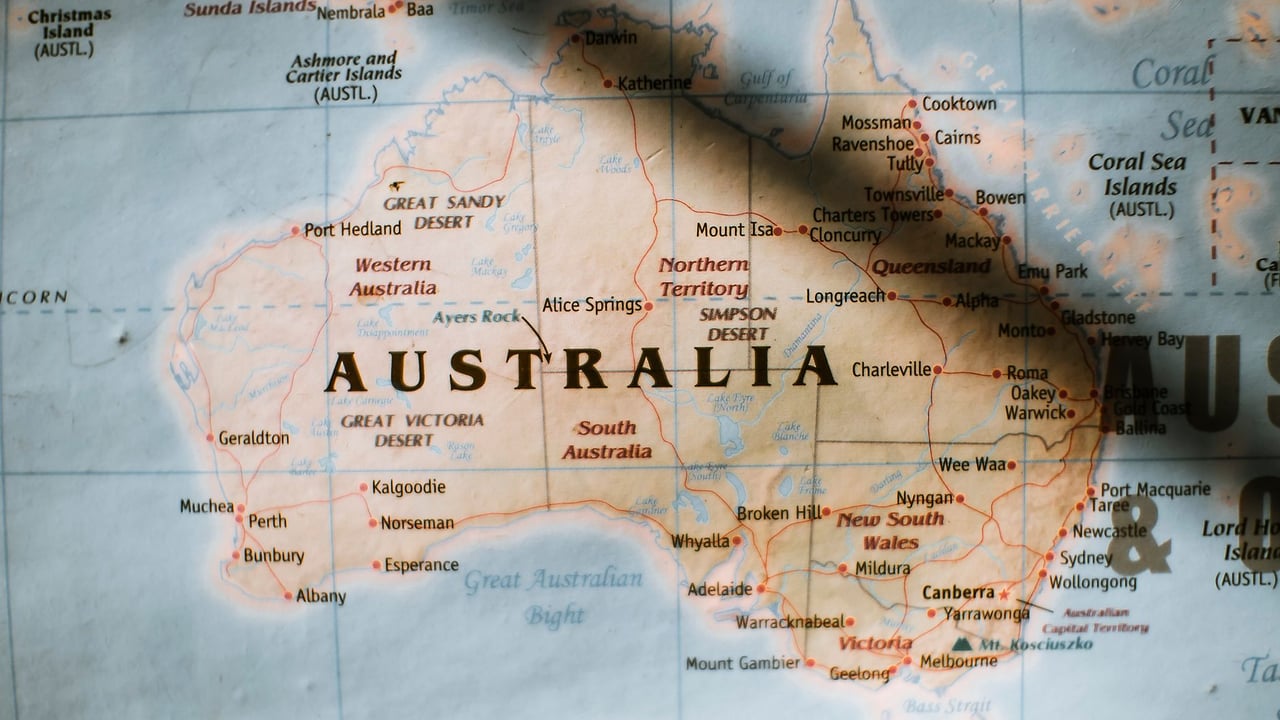
Photo by Nothing Ahead on Pexels
The Brief
Zhao Leji, chairman of China's National People's Congress Standing Committee, met with Australian House of Representatives Speaker Milton Dick in Beijing on September 20. Leading a multi-party delegation representing diverse Australian regions, Dick reaffirmed Australia's adherence to the one-China policy and expressed interest in deepening cooperation across trade, agriculture, mining, climate change, and artificial intelligence. Zhao emphasized consolidating political trust, respecting core interests, and expanding pragmatic cooperation in traditional and emerging sectors, highlighting legislative exchanges as an anchor for broader bilateral stabilization.
Why it matters
The visit by an Australian cross-party parliamentary delegation demonstrates that the stabilization of Australia-China relations is moving beyond executive diplomacy into the legislative sphere, reinforcing political and economic predictability across party lines.
China context
Beijing views parliamentary diplomacy via the National People's Congress as a key vehicle for building stable ties with Western democracies, emphasizing non-interference, respect for core interests, and collaborative focus on green transition and trade complementarity.
Editor's View
EDITOR'S VIEW — Analysis and inference, not factual reporting.
The engagement between Zhao Leji and Milton Dick reflects a calculated effort by both Beijing and Canberra to build structural resilience into their bilateral relationship. After years of diplomatic friction and trade barriers, high-level legislative exchanges offer a platform to sustain dialogue without forcing immediate convergence on sensitive geopolitical differences. For China, securing explicit cross-party engagement and a reaffirmation of the one-China policy from Australian lawmakers helps insulate economic ties from domestic political volatility in Canberra. For Australia, maintaining functional communication channels directly with China's parliamentary leadership allows both sides to safeguard established trade in agriculture and resources while testing the waters for technical cooperation in emerging areas like artificial intelligence and green energy.
What to watch
- Subsequent itinerary stops and potential meetings held by the Australian parliamentary delegation during their stay in China.
- Follow-up bilateral policy announcements or working-level dialogues concerning critical minerals, clean energy, and artificial intelligence.
- Domestic political reactions in Australia regarding the outcomes and statements from the multi-party delegation's visit.
Key Takeaways
- 1NPC Standing Committee Chairman Zhao Leji met Australian House Speaker Milton Dick in Beijing on September 20.
- 2Dick led a multi-party parliamentary delegation and reaffirmed Australia's adherence to the one-China policy.
- 3Both sides highlighted cooperation across agriculture, mining, energy, climate action, and emerging domains like artificial intelligence.
- 4Zhao urged both nations to respect core interests, manage differences, and strengthen legislative and multilateral coordination.
Zhao Leji, chairman of the Standing Committee of the National People's Congress (NPC), met with Australian House of Representatives Speaker Milton Dick at the Great Hall of the People in Beijing on September 20, according to reports published by Xinhua and People's Daily.
During the talks, Zhao noted that the meeting between Chinese President Xi Jinping and Australian Prime Minister Anthony Albanese in Beijing the previous year provided strategic direction for bilateral ties. He stated that China is willing to work with Australia to implement the consensus reached by their leaders, strengthen friendly exchanges, build political mutual trust, and expand pragmatic cooperation to advance the China-Australia comprehensive strategic partnership in a sustained and stable manner.
Zhao emphasized that both sides should solidify their political foundation by respecting each other's core interests and major concerns while properly managing differences. In terms of economic engagement, Zhao called for deepening cooperation in traditional sectors such as agriculture, minerals, and energy, alongside expanding initiatives in green development, clean energy, the digital economy, and climate change. He also underscored the value of subnational, educational, cultural, and youth exchanges, as well as coordination within multilateral frameworks including the United Nations and the Inter-Parliamentary Union.
According to the official reports, Milton Dick observed that Australia-China relations are developing steadily and that both nations continue to benefit from robust trade and economic ties. Dick pointed out that the visiting Australian parliamentary delegation comprised lawmakers from different political parties and geographic regions, reflecting a shared domestic desire to see bilateral relations progress on a stable and enduring trajectory.
Dick affirmed that Australia adheres to the one-China policy and expressed Australia's desire to enhance collaboration with China in trade, culture, agriculture, mining, climate change mitigation, and artificial intelligence to achieve mutual benefits. He added that the Australian House of Representatives stands ready to reinforce dialogue with the NPC to provide legislative support for practical bilateral cooperation.
Sources
- 赵乐际同澳大利亚联邦议会众议长迪克会谈--时政--人民网 — People's Daily · 9/20/2026
- 赵乐际同澳大利亚联邦议会众议长迪克会谈 --时政--人民网 — People's Daily · 9/20/2026