
Daily BriefAnalysis
China Deploys Smart Tech and Post-Rain Field Management to Safeguard Autumn Harvest
Major grain-producing regions implement precision irrigation, biological pest control, and post-flood recovery measures to secure autumn crop yields.
Share
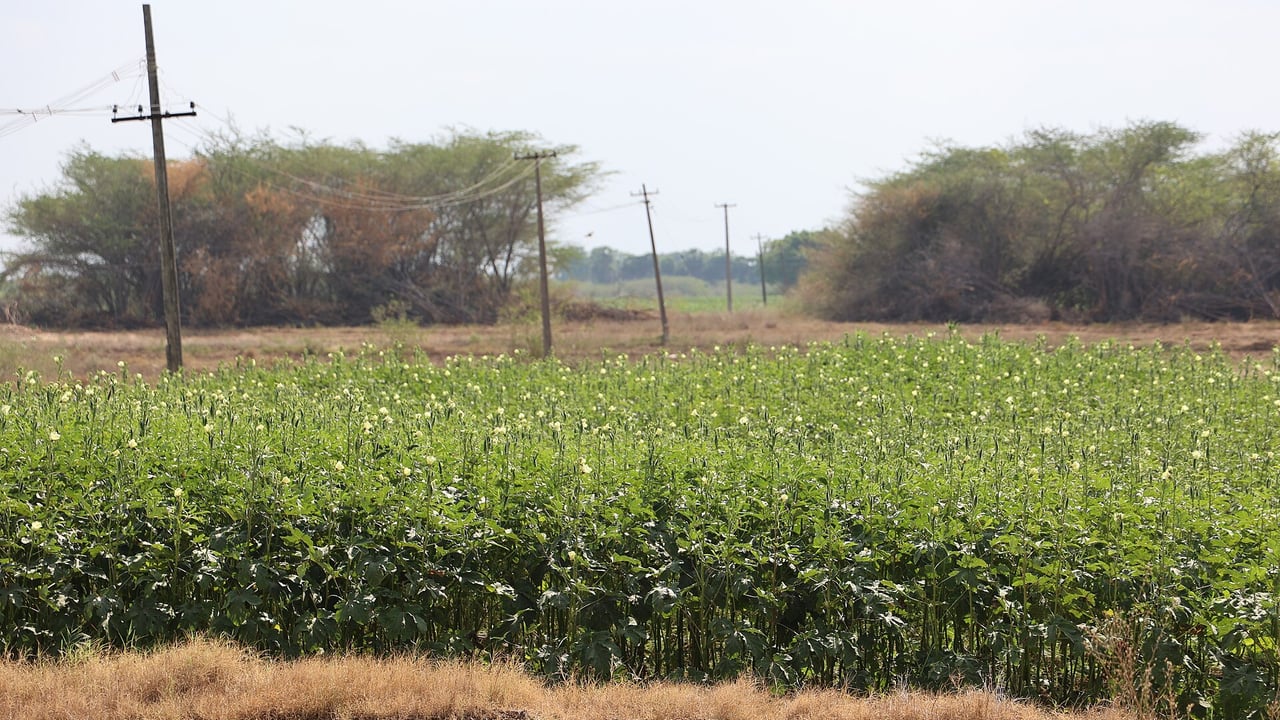
Karthik jeyaraman via Wikimedia Commons, CC BY 4.0
The Brief
Agricultural authorities across China are intensifying field management as autumn crops enter critical growth stages, according to state broadcaster CCTV. With autumn grain accounting for the bulk of national annual production, major farming regions are rolling out precision technologies, biological pest controls, and post-disaster remediation following recent heavy rains. Measures range from smartphone-controlled irrigation in Heilongjiang to the dispatch of over 10,000 technicians in Henan to guide crop recovery.
Why it matters
Autumn grain constitutes the majority of China's annual food supply, making crop performance in late summer critical to national food security targets. Effective pest control, efficient fertilization, and swift post-flood recovery in major agricultural hubs directly determine whether the country can maintain stable grain output despite extreme summer weather.
China context
Beijing places grain security at the core of its economic resilience under the national strategy of 'storing grain in the land and in technology.' As climate volatility increases the frequency of localized flooding and pest outbreaks, local governments are combining digital agriculture, such as Internet of Things monitoring and targeted biological controls, with ground-level technical assistance to boost per-unit yields.
Editor's View
EDITOR'S VIEW — Analysis and inference, not factual reporting.
The coordinated rollout of digital monitoring and targeted field support reflects China's ongoing shift toward technology-driven yield protection rather than expanding cultivated land alone. However, the true test of these interventions will depend on weather conditions through the harvest window, particularly whether flood-affected provinces can fully offset early-season yield losses.
What to watch
- Weather developments across major grain belts, including late-season typhoons or sudden drought-flood shifts
- Final yield reports from flood-impacted regions such as Henan and Guangxi following rapid replanting and drainage efforts
- The broader adoption rate and cost-effectiveness of localized solutions like side-deep fertilization in hilly farming areas
Key Takeaways
- 1Autumn grain production is entering critical growth phases across major Chinese agricultural provinces.
- 2Provinces including Heilongjiang and Hebei are using smart water gates, IoT monitoring, and biological pest controls to protect yields.
- 3Chongqing's hilly farming districts reduced fertilizer application by approximately 20 percent through specialized side-deep application techniques.
- 4Rain-hit provinces like Henan, Anhui, and Guangxi have deployed thousands of technicians and machinery units to drain fields, spray crops, and replant damaged land.
Agricultural regions across China are accelerating granular field management and post-disaster recovery efforts as autumn crops enter crucial stages of yield formation, according to state media reports.
Autumn grain represents the largest portion of China's annual grain production. In northeastern Heilongjiang province, corn, soybeans, and rice have reached decisive growth phases. In Huanan County, local farms have introduced smart water gates linked to soil moisture sensors, enabling farmers to regulate field irrigation via smartphone applications.
In northern Hebei province, where corn crops have entered the grain-filling stage—a period typically marked by peak pest and disease risks—local authorities in Handan's Yongnian District are pairing multi-benefit chemical spraying with biological controls, including the release of Trichogramma parasitic wasps to suppress crop pests.
Technological adaptation is also under way in southwestern hilly terrain. In Liangping District of Chongqing, where standard machinery access is limited and fertilizer efficiency has historically been low, local partnerships with vocational colleges yielded integrated side-deep single-pass fertilization methods and nano-trace element fertilizers. The approach has cut fertilizer use by roughly 20 percent while boosting nutrient uptake.
Following recent rounds of heavy rainfall that disrupted crop development in several central and southern provinces, local governments have mobilized targeted recovery interventions. In Henan province, 18 autumn grain expert advisory teams joined more than 10,000 agricultural technicians deployed to the field to guide farmers through crucial post-rain spraying operations.
In Anhui province, authorities are carrying out drainage, top-dressing fertilization, and pest management. At Xiaogang Village in Fengyang County, an agricultural Internet of Things platform provides real-time data on soil moisture and pest dynamics to inform management decisions.
Meanwhile, in Hengzhou, Guangxi, agricultural bureaus have deployed nearly 9,000 agricultural machines and implements to clear silted fields, unblock drainage ditches, and accelerate replanting. Local officials report that more than 56,000 mu (around 3,733 hectares) of farmland have been restored and over 37,000 mu (around 2,467 hectares) replanted.
Sources
- 各地做好田间管理 夯实粮食丰收基础 — State Council of China · 8/20/2026