
Technology & AIAnalysis
China Consumers Association Warns Against Risks in AI Consumer Services
The consumer watchdog cautions against relying on AI outputs and bars merchants from blaming automated systems to escape liability.
Share
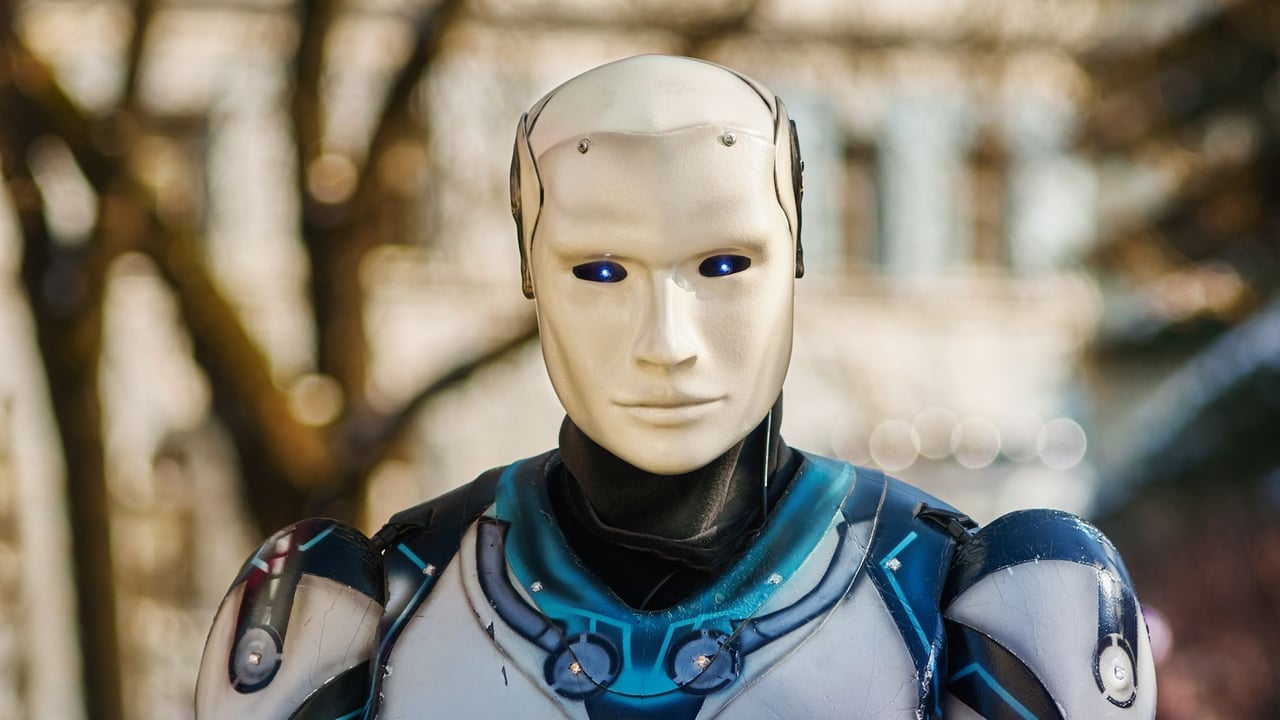
Photo by igovar igovar on Pexels
The Brief
The China Consumers Association has issued a public advisory detailing risks associated with generative AI tools and merchant-deployed customer service bots. Responding to rising consumer complaints, the association categorized risks into two primary areas: inaccuracies in general-purpose AI outputs and misleading responses from automated enterprise customer service agents. The association reiterated that under existing regulations, businesses cannot cite algorithmic automation to evade contractual obligations or statutory consumer protection responsibilities.
Why it matters
As businesses deploy generative AI to cut operating expenses and handle client inquiries, technical hallucinations and incorrect policy explanations pose growing risks to consumers. By establishing that automated answers carry commercial liability and cannot serve as a legal shield, consumer authorities are defining operational boundaries for commercial AI deployment in retail and service sectors.
China context
Under the Consumer Rights Protection Law and the Interim Measures for the Management of Generative Artificial Intelligence Services, Chinese regulators are tightening oversight on algorithmic transparency and corporate accountability. While national policy encourages the integration of artificial intelligence across economic sectors, authorities are insisting that human customer support channels remain accessible to prevent consumers from becoming trapped behind algorithmic barriers.
Editor's View
EDITOR'S VIEW — Analysis and inference, not factual reporting.
The consumer watchdog's stance highlights an emerging regulatory consensus: businesses cannot outsource operations to automated systems while simultaneously shedding legal responsibility for the output. As automated agents increasingly handle pricing, promotional rules, and cancellation policies, holding operators strictly accountable for algorithmic errors is becoming an essential consumer safeguard.
What to watch
- Whether major e-commerce and digital service platforms adjust their automated customer service systems to align more closely with contract terms and expand human agent access.
- Potential targeted regulatory inspections or model enforcement actions by market regulators addressing deceptive AI responses and unlawful disclaimers.
- Judicial trends in Chinese civil courts regarding liability apportionment when consumers incur financial losses due to erroneous AI customer service advice.
Key Takeaways
- 1The China Consumers Association warned the public about inaccuracies in general generative AI tools and corporate customer service bots.
- 2Merchants are legally prohibited from citing 'system-generated responses' to avoid contractual obligations or consumer protection liabilities.
- 3Platforms and businesses have been urged to align AI outputs with actual contracts and keep human customer service channels readily available.
The China Consumers Association has issued an advisory highlighting risks in consumer-facing artificial intelligence services, warning against unverified automated outputs and reminding merchants that technology cannot be used to dodge legal responsibilities, according to a report by People's Daily.
Regulators and consumer advocates have noted that while generative AI improves service efficiency across commercial sectors, inherent technical uncertainties frequently cause factual inaccuracies, omitted terms, and unfulfilled commitments. The association divided these issues into two main categories: general-purpose generative AI tools and enterprise-deployed customer service bots.
According to the association, general-purpose generative tools compile public data to produce reference text that does not constitute official merchant policy, binding contracts, or authoritative legal advice. In practice, however, these systems can generate erroneous factual statements, overconfident projections, or flawed legal guidance. Consumers who rely blindly on such answers when demanding refunds or filing disputes risk unnecessary financial loss and procedural missteps.
The second category covers customer service bots deployed directly by businesses. The consumer body reported that automated customer service systems frequently provide inaccurate fee descriptions, misinterpret promotional rules, or fail to disclose restrictive conditions. In certain disputes, some merchants have attempted to evade their contractual obligations and legal liabilities by claiming that erroneous statements were merely automatically generated by an algorithm.
The China Consumers Association emphasized that current Chinese laws already draw clear boundaries for commercial AI services. The Interim Measures for the Management of Generative Artificial Intelligence Services mandate that providers improve content accuracy, disclose service scope, and provide adequate risk warnings. Meanwhile, the Consumer Rights Protection Law obligates operators to deliver truthful, unambiguous product and service information without disclaiming statutory duties.
To address these risks, the association advised platform operators to strengthen auditing and verification mechanisms, particularly in sensitive domains such as finance and legal disputes. For commercial bots, merchants must ensure automated replies strictly align with actual service terms and contract stipulations, while maintaining unimpeded access to human customer service personnel.
Sources
- 人工智能消费服务暗藏风险 中消协提示理性使用谨防误导--经济·科技--人民网 — People's Daily · 8/25/2026