
Policy & RegulationAnalysis
China Deepens 'Big Ideological' Education to Shape Youth Ideology
Beijing reiterates the strategic priority of ideological schooling, urging educators to connect academic curriculum with real-world practice.
Share
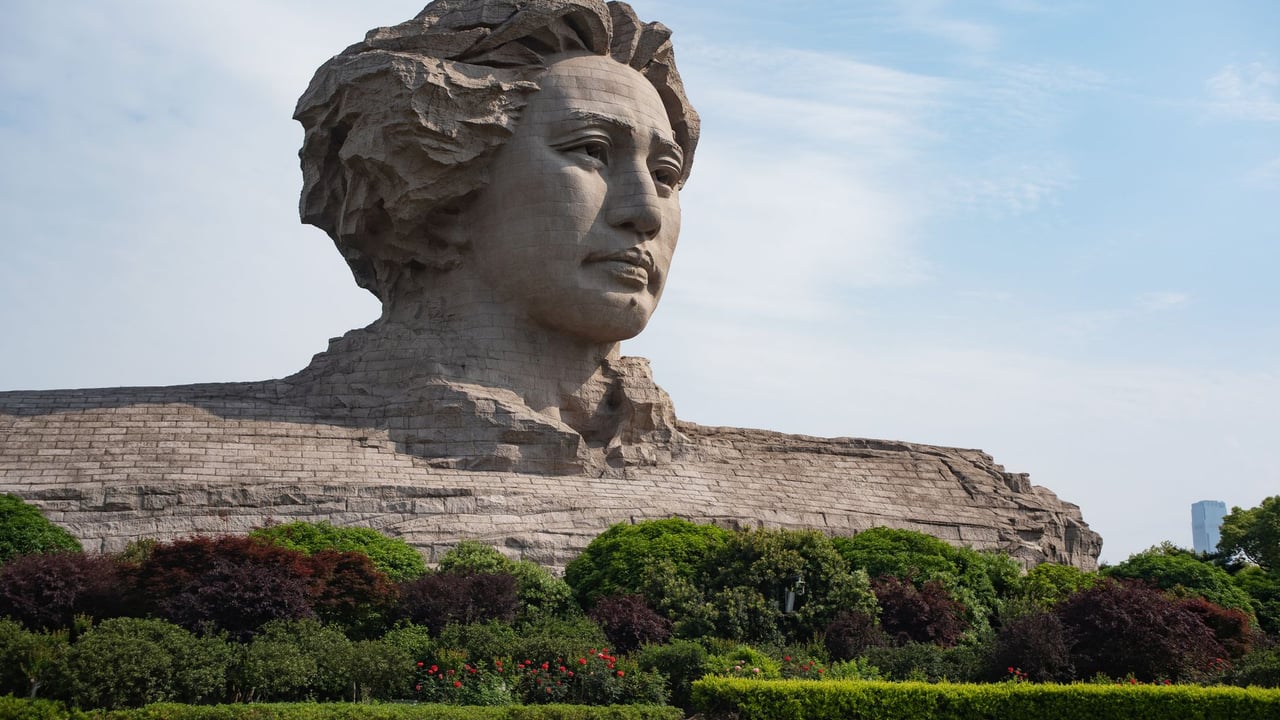
Photo by 高 长华 on Pexels
The Brief
Chinese official media have reaffirmed the central government's commitment to advancing 'big ideological-political courses' across primary, secondary, and higher education. According to a commentary circulated by state authorities, political and ideological education is treated as a strategic foundation for national rejuvenation and party leadership continuity. Authorities emphasized moving beyond dry, rote lectures to integrate campus instruction with broader societal developments, ensuring younger generations maintain strong political alignment with the Chinese Communist Party amidst shifting social currents.
Why it matters
The development of 'big ideological-political courses' directly addresses China's core educational mandate regarding who the education system serves and what kind of talent it produces. By integrating classroom curricula with social realities, Beijing seeks to fortify its ideological landscape, mitigate alternative social influences, and anchor the political orientation of younger generations powering China's long-term development.
China context
In China's political discourse, ideological and political education serves as a strategic bulwark to ensure that the party's cause maintains reliable successors and adheres to socialist educational principles. Confronted by complex external environments and diverse domestic perspectives, central leadership has systematically elevated ideological schooling to guard against political risks and solidify youth loyalty to party leadership.
Editor's View
EDITOR'S VIEW — Analysis and inference, not factual reporting.
The renewed emphasis on 'big ideological-political courses' underscores Beijing's enduring focus on ideological security amid rapid societal changes. Rather than treating political theory as an isolated or passive academic subject, the leadership demands an applied, holistic framework where societal achievements validate official doctrine. Observers should view these educational directives not merely as pedantic reforms, but as long-term civic engineering intended to bolster domestic resilience against competing external narratives.
What to watch
- Specific policy implementation frameworks, assessment metrics, and digital teaching guidelines issued by the Ministry of Education and related propaganda authorities.
- Integrated cross-level curriculum developments spanning primary schools through research universities, particularly demonstration programs at key institutions.
Key Takeaways
- 1Official commentary reaffirms the strategic role of ideological-political education across all levels of schooling.
- 2Authorities reject passive document reading in favor of 'big ideological courses' that integrate societal practice with classroom lessons.
- 3The initiative builds on foundational directives issued by Xi Jinping at key symposia in 2019 and 2021.
China is reinforcing the institutional framework of its ideological and political education system, reiterating calls to build comprehensive 'big ideological-political courses' from primary schools through universities. According to an official commentary published across state media channels, the central leadership views ideological education as fundamental to cultivating generations of talent committed to Chinese Communist Party leadership and the socialist system.
The policy direction draws directly on guidance laid out by General Secretary Xi Jinping, tracing back to the landmark March 2019 national symposium for ideological and political theory teachers—the first such central meeting convened directly by the party leadership. During that gathering, the leadership rejected suggestions to submerge political education as an implicit or minor component within general humanities courses, instead insisting that socialist education must conduct explicit ideological training with clear confidence.
The strategy was further expanded in March 2021 during the annual parliamentary sessions, where central leadership introduced the concept of the 'big ideological-political course.' Official instructions directed educators to abandon dry, mechanical recitations of policy documents in favor of dynamic curricula linked directly to contemporary social and economic developments. The directive emphasizes bridging the traditional campus lecture hall with society at large, transforming real-world national progress into educational material.
State messaging highlights that contemporary Chinese youth face an evolving international environment and complex social trends, which inevitably produce intellectual quandaries regarding ideals versus reality, self-interest versus public duty, and national identity. To navigate these tensions, central authorities stress a progressive, step-by-step curriculum that deepens in complexity across educational stages, ensuring consistent political socialization throughout a student's academic path.
By positioning ideological coursework as the core pillar for fostering moral character and civic competence, Chinese authorities seek to guarantee institutional continuity for the party's long-term modernization agenda, framing youth ideological preparation as a decisive factor in achieving national renewal.
Sources
- 蒙以养正兴贤才——我国“大思政课”建设不断开创新局面述评 — Cyberspace Administration of China · 9/6/2026