
Business & IndustryAnalysis
China's Electric Vehicle Charging Infrastructure Surges 43.2% to 23 Million Units
Expansion in private home chargers and rural county coverage drives rapid charging network growth in the first half of the year.
Share
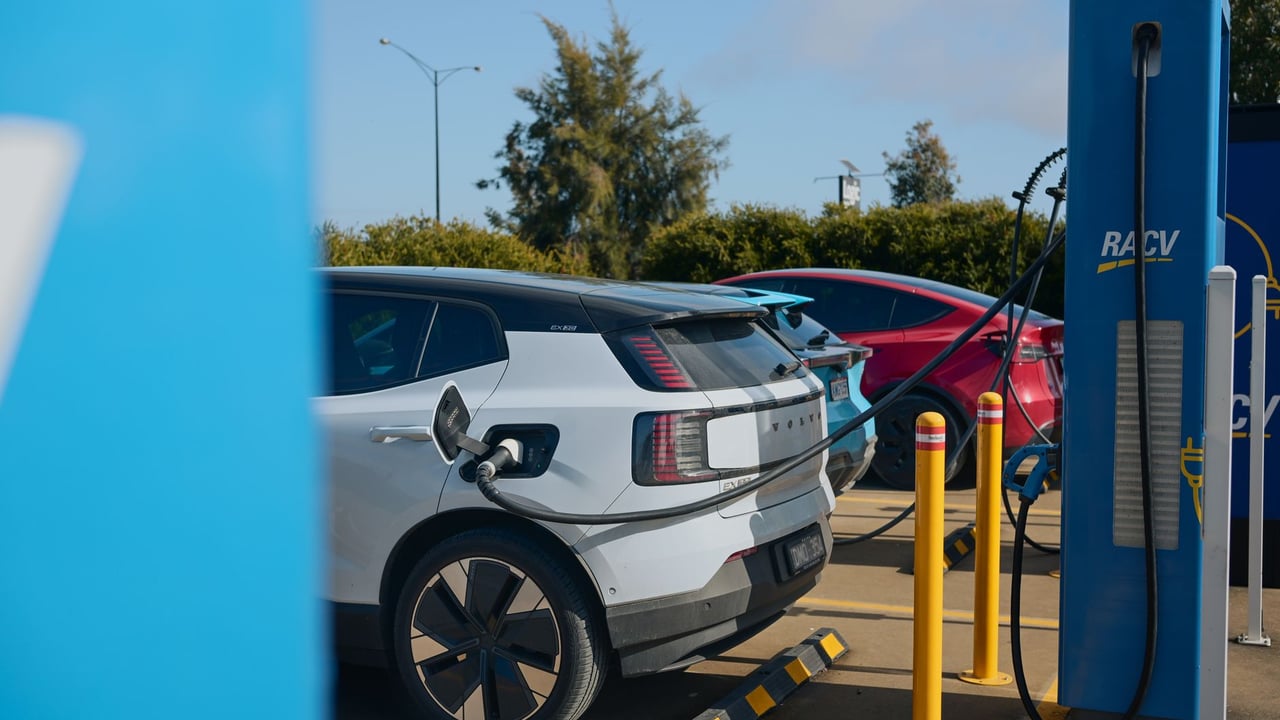
Photo by Harry Tucker on Pexels
The Brief
China's electric vehicle charging infrastructure reached 23.057 million connectors by the end of June, representing a 43.2% year-on-year increase, according to data from the National Energy Administration reported by People's Daily. The surge was led by private charging units, which grew over 50% to surpass 18 million. Public charging connectors expanded by 22.3% to exceed 5 million, while charging coverage across county-level administrative regions reached 98.61%, signaling an accelerating push into smaller towns and rural markets.
Why it matters
Robust charging infrastructure is essential for sustaining the transition to electric mobility and easing range anxiety. With private chargers surging and county coverage approaching 99%, China's charging network is penetrating deeper beyond tier-one and tier-two cities, laying the physical groundwork to unlock electric vehicle demand in broader suburban and rural markets.
China context
Expanding charging networks aligns with China's broader decarbonization commitments and economic efforts to stimulate domestic automotive consumption. The National Energy Administration has prioritized high-power fast charging and rural grid access, ensuring that rural revitalization efforts and power grid modernization support the rising load from passenger EV adoption.
Editor's View
EDITOR'S VIEW — Analysis and inference, not factual reporting.
While the headline growth figures highlight China's manufacturing and deployment capacity, the divergence between private charger expansion (up 50.4%) and public installations (up 22.3%) points to shifting consumer charging habits. The key operational challenge moving forward will be grid integration in residential areas and balancing power loads as high-power chargers proliferate.
What to watch
- Grid stability and distribution transformer upgrades in older residential communities and rural towns.
- The rollout pace of ultra-fast high-power charging corridors across national highways.
- Efforts to close the final coverage gap in remaining rural townships.
Key Takeaways
- 1Total EV charging connectors in China reached 23.057 million by the end of June, up 43.2% year-on-year.
- 2Private charging units grew 50.4% to 18.048 million, with 155 million kVA of installed capacity.
- 3Public chargers expanded 22.3% to 5.009 million connectors with a total rated power of 247 million kW.
- 4County-level charging coverage reached 98.61%, reflecting network penetration into rural areas.
China's electric vehicle charging infrastructure expanded rapidly in the first half of the year, with the total number of charging connectors reaching 23.057 million by the end of June, according to data from the National Energy Administration published by People's Daily. The figure represents a 43.2% increase compared to the same period last year.
The expansion was primarily driven by residential installations. Private charging facilities rose to 18.048 million units by the end of June, climbing 50.4% year-on-year. Installed capacity applications for these private charging setups reached a cumulative 155 million kilovolt-amperes, reflecting sustained consumer demand for home-based charging solutions.
Public charging infrastructure also maintained steady growth. The country recorded 5.009 million public charging connectors as of the end of June, up 22.3% year-on-year. Total rated power for public infrastructure reached 247 million kilowatts, with an average rated power of approximately 49.35 kilowatts per connector. Officials noted that the construction of high-power charging facilities achieved notable progress during the six-month period, helping to improve turnaround times for commercial and long-distance drivers.
Geographic coverage also widened, particularly in lower-tier regions. By the end of June, charging facility coverage across county-level administrative divisions reached 98.61%. Energy authorities highlighted that charging networks in counties and townships are densifying, strengthening service guarantees for EV drivers outside major metropolitan centers.
As the national fleet of new energy vehicles expands, policymakers continue to focus on balancing network density between urban centers and rural areas, while working to accommodate higher electrical loads on local power distribution grids.
Sources
- 截至6月底电动汽车充电基础设施总数同比增长43.2% — State Council of China · 8/15/2026