
Policy & RegulationAnalysis
China to Invest Over 5 Trillion Yuan in Next-Generation Power Grid
The capital expenditure initiative for the 15th Five-Year Plan period focuses on six areas to support massive renewable energy integration.
Share
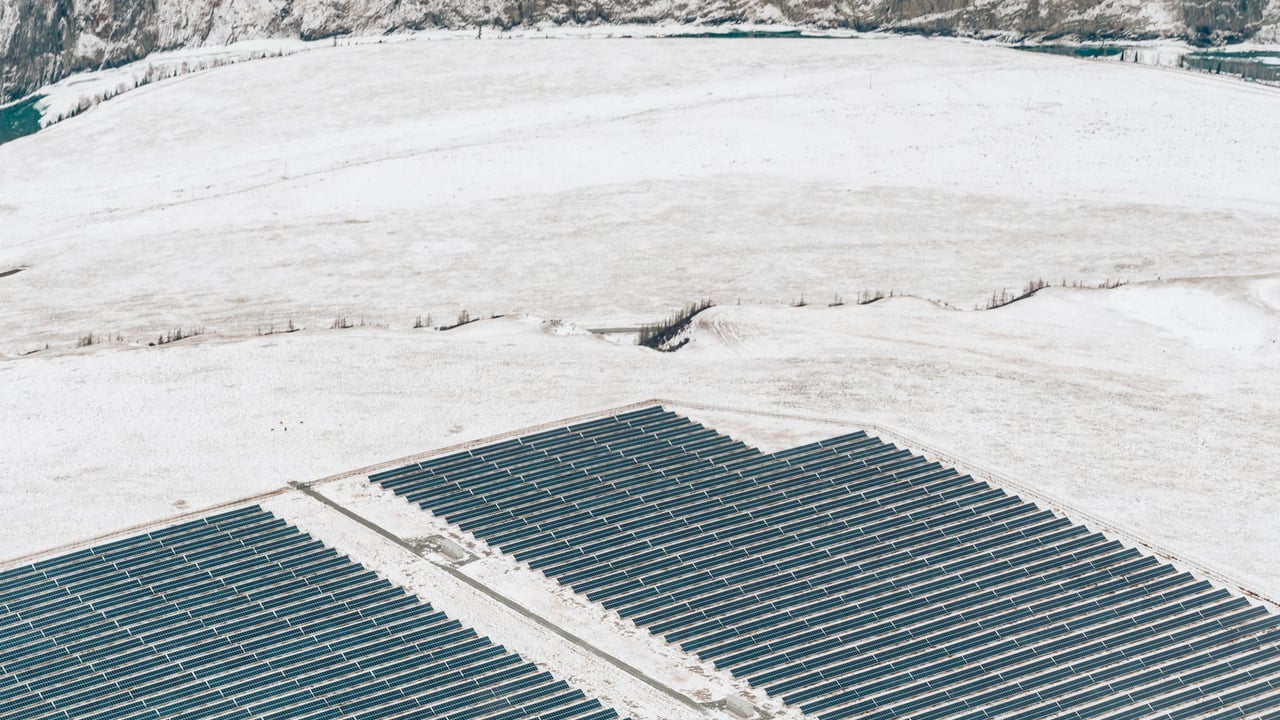
Photo by Mikhail Nilov on Pexels
The Brief
China is planning to allocate more than 5 trillion yuan to construct a next-generation power grid, according to state media reports originating from CCTV News. Slated to advance across six priority areas during the upcoming 15th Five-Year Plan period, the initiative aims to address bottlenecks in renewable energy integration. As the country works toward accommodating an anticipated 2.8 billion kilowatts of renewable capacity, the planned infrastructure drive is designed to enhance cross-regional power transmission corridors and modernize local distribution networks.
Why it matters
An investment exceeding 5 trillion yuan in electrical grid infrastructure is critical for stabilizing future power supply while steering the transition toward clean energy. Beyond ensuring energy security, this capital expenditure serves as a major economic engine, driving demand for advanced equipment manufacturing, digital power management systems, and broader infrastructure investment.
China context
Facing ambitious dual-carbon targets alongside steadily expanding electricity consumption, China is accelerating the development of a power system anchored in renewable energy. The national grid has increasingly become a critical bottleneck for absorbing intermittent wind and solar generation, making grid modernization central to preventing energy curtailment as renewable installations expand nationwide.
Editor's View
EDITOR'S VIEW — Analysis and inference, not factual reporting.
China's commitment of over 5 trillion yuan for modernizing its grid system reflects a recognition that renewable generation capacity alone cannot ensure a green transition without commensurate transmission and distribution capabilities. While building vast wind and solar bases in western inland regions has progressed rapidly, transmitting that power efficiently to eastern industrial centers requires high-voltage corridors and smarter local distribution. The emphasis on six key implementation areas during the 15th Five-Year Plan suggests policymakers are addressing technical inflexibility and regional market fragmentation. However, the ultimate efficacy of this massive expenditure will hinge on regulatory coordination between regional grid operators, cost-sharing mechanisms across provincial boundaries, and the economic viability of storage assets needed to balance supply volatility.
What to watch
- Detailed 15th Five-Year Plan implementation guidelines and sector-specific policy roadmaps released by the National Energy Administration, State Grid, and China Southern Power Grid.
- Construction and deployment milestones for cross-provincial and cross-regional ultra-high-voltage transmission corridors.
- Progress on smart distribution grid retrofits aimed at absorbing up to 2.8 billion kilowatts of renewable energy capacity.
Key Takeaways
- 1China plans to invest over 5 trillion yuan into building a next-generation power grid system, state media reported.
- 2The investment program will be implemented across six major priority areas during the 15th Five-Year Plan period.
- 3Upgrades focus on cross-provincial transmission corridors and smart distribution networks to support an estimated 2.8 billion kilowatts of renewable energy capacity.
- 4The initiative aims to alleviate renewable absorption bottlenecks while stimulating advanced equipment manufacturing and infrastructure investment.
China is preparing to invest more than 5 trillion yuan into building a modernized power grid system, according to state media reports published by CCTV News and China News Network. The large-scale infrastructure program will be rolled out across six core dimensions during the upcoming 15th Five-Year Plan period, targeting structural bottlenecks in the nation's energy network.
The capital expenditure drive comes as China accelerates its transition toward a cleaner energy mix under its long-term carbon peak and neutrality targets. While the country has added record amounts of wind and solar capacity in recent years, the rapid deployment of intermittent clean energy has placed increasing pressure on existing transmission and distribution infrastructure. Integrating renewable power reliably into the national grid requires extensive modernization, particularly as domestic renewable capacity targets expand toward 2.8 billion kilowatts.
According to reports outlining the upcoming planning period, authorities intend to advance the new grid framework through six distinct avenues. These priorities include expanding cross-provincial and cross-regional power transmission corridors to link remote renewable power hubs with major coastal consumption centers, alongside comprehensive digital and intelligent upgrades for local distribution networks. Smart grid technologies are expected to enhance dynamic load balancing and accommodate diverse distributed energy resources, such as rooftop solar and electric vehicle charging points.
The scale of the planned expenditure underscores the grid's dual role as both an environmental imperative and an economic catalyst. Mobilizing over 5 trillion yuan into energy infrastructure is poised to stimulate demand across advanced power equipment manufacturing, high-voltage line construction, and digital automation systems. At the same time, it provides substantial counter-cyclical capital investment to support broader domestic economic stability.
Further details regarding specific funding mechanisms, regional allocations, and project timelines are expected to emerge as central energy authorities and state-owned grid utilities formalize the comprehensive 15th Five-Year Plan energy framework.
Sources
- 我国将投入超5万亿元建设新型电网 这网新在哪儿? — China News Service · 10/7/2026
- “十五五”期间新型电网怎么干?从六方面推进 — China News Service · 10/7/2026