
Defense & StrategyAnalysis
China Expands Civil-Military Support Networks Amid PLA 99th Anniversary
Local authorities and military units reinforce preferential welfare policies, veteran training, and joint disaster response operations across China.
Share
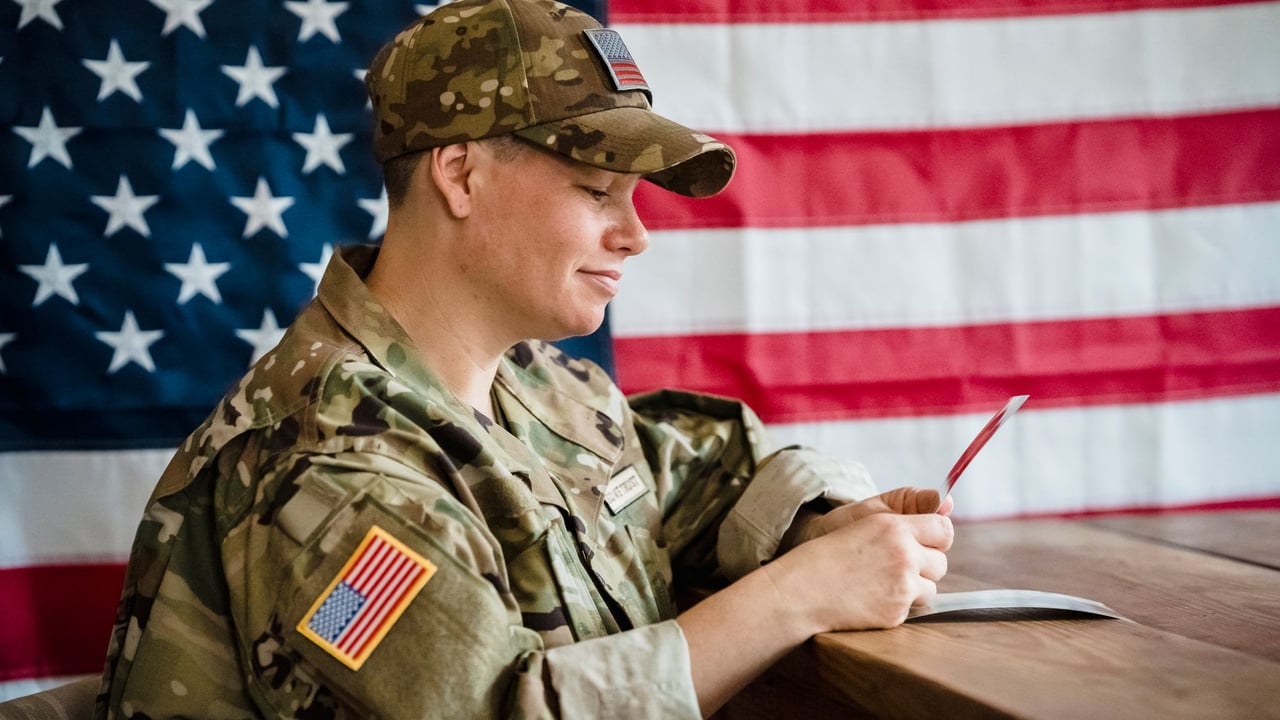
Photo by George Pak on Pexels
The Brief
As China marks the 99th anniversary of the founding of the People's Liberation Army and the 83rd anniversary of the Yan'an Double Support Movement, local governments and military commands are expanding civil-military cooperation. Recent nationwide efforts include broadening socialized support networks—such as designated commercial hubs and vocational training for over 1.2 million veterans—alongside addressing active-duty family welfare needs. Simultaneously, joint military-civilian emergency mechanisms were activated to conduct flood relief and resident evacuations following severe July rainfall in Jilin and Guangdong provinces.
Why it matters
Double support ("Shuangyong") initiatives serve as an important institutional framework for China's national defense mobilization and social administration. By combining local welfare mechanisms, commercial incentives, and emergency coordination protocols, the leadership seeks to bolster frontline troop morale, improve veteran reintegration, and maintain rapid joint responsiveness during natural disasters.
China context
In China, civil-military unity is treated as an essential component of national defense and social stability. Top leadership has repeatedly emphasized that double support work must be continuously strengthened. Through initiatives like Double Support Model Cities and structured veteran support frameworks, provincial and municipal authorities work to align civilian economic resources with military readiness requirements.
Editor's View
EDITOR'S VIEW — Analysis and inference, not factual reporting.
The recent expansion toward 'socialized' military support—engaging commercial zones, sports facilities, and private businesses—represents a shift toward leveraging local market networks alongside administrative mandates. Rather than relying solely on state subsidies, municipal governments are encouraging commercial entities to extend preferential services to military personnel and veterans. Furthermore, the rapid deployment of military and armed police units during severe summer flooding illustrates how routine institutional ties between military commands and local governments are designed to transition immediately into crisis response operations.
What to watch
- Implementation and long-term participation of private businesses within newly established military-support commercial hubs.
- The effectiveness of joint military-civilian emergency response protocols as seasonal flood risks persist.
- Career outcomes and placement rates for veterans undergoing regional vocational and adaptability training programs.
Key Takeaways
- 1China accelerates double support ("Shuangyong") efforts ahead of the PLA's 99th anniversary, linking civil support with military needs.
- 2Over 1.2 million veterans participated in vocational skill training, and 1.6 million attended adaptability training.
- 3Localities in Shanghai, Fujian, Zhejiang, and Hebei introduced specialized commercial zones, legal services, and family welfare support for military personnel.
- 4Joint military-civilian emergency command systems were deployed for severe flood relief in Jilin and Guangdong provinces in July 2026.
As China approaches the 99th anniversary of the founding of the People's Liberation Army (PLA) and the 83rd anniversary of the Yan'an Double Support Movement, local governments and military commands across the country have launched a series of initiatives aimed at deepening civil-military cooperation, according to official defense media reporting on state releases.
Under top leadership mandates directing that double support work must be strengthened and modernized, regional authorities are expanding both social benefits for service members and institutionalized emergency response capabilities. Recent official figures indicate that local programs have enrolled over 1.2 million veterans into vocational skills training and more than 1.6 million into adaptability training programs. At the same time, municipal departments have prioritized resolving practical challenges for active-duty personnel, focusing on spouse employment, school admissions for military children, and family healthcare access.
Municipalities are increasingly partnering with commercial sectors to operationalize these policies. In Fujian province, Zhangzhou unveiled its first dedicated military-support sports complex, offering tailored discounts to veterans alongside priority hiring initiatives. Shanghai's Hongkou district established its first military-support commercial center, integrating dozens of retail and dining businesses into a preferential service network. Similar long-term commercial hubs were instituted in Jiaxing, Zhejiang province, while Hebei province launched a specialized outreach program sending legal, medical, and administrative teams directly to primary-level military bases to address logistical and policy questions.
Alongside welfare support, double support frameworks were put into practice during recent natural disasters across northern and southern regions. Following severe rainfall in mid-July, the Tonghua Military Sub-command in Jilin province initiated a joint military-civilian emergency response mechanism to conduct rescue operations. In late July, armed police units deployed pre-emptively to Shaoguan, Guangdong province, executing night-time evacuations of flood-trapped residents in Weng'yuan County.
These ongoing actions reflect an integrated strategy to embed national defense mobilization within local civilian infrastructure, seeking to support troop morale while maintaining joint crisis-response readiness.
Sources
- 鱼水情深守初心 同心奋进续新篇——各地各部队扎实做好双拥工作成效显著 - 中国军网 — China Military Online · 8/1/2026
- 鱼水情深守初心 同心奋进续新篇——各地各部队扎实做好双拥工作成效显著 — Ministry of National Defense · 8/1/2026