
Policy & RegulationAnalysis
China Expands Grassroots Traditional Chinese Medicine Coverage Nationwide
Official data shows nearly 98 percent of primary healthcare centers now host dedicated TCM clinics as home visits and specialist outreach expand.
Share
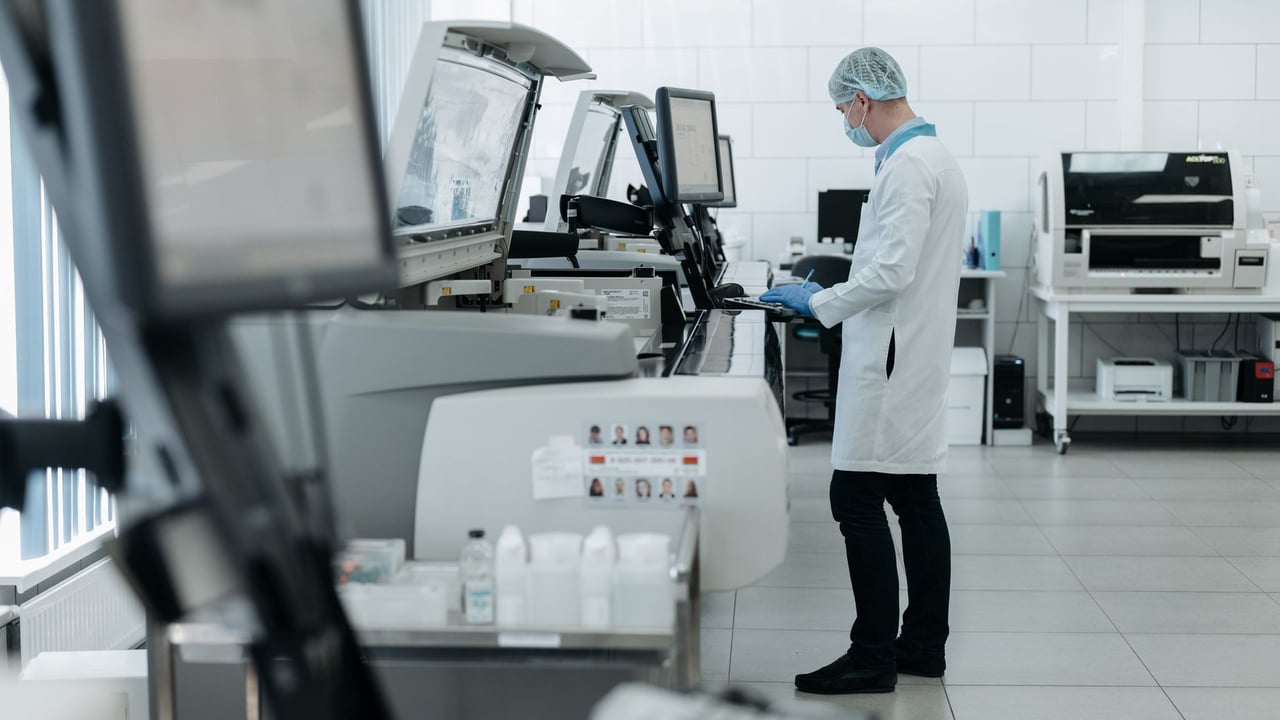
Photo by Pavel Danilyuk on Pexels
The Brief
China is accelerating the rollout of traditional Chinese medicine (TCM) services across grassroots communities, backed by national healthcare strengthening initiatives. According to state media reports, county-level TCM hospitals reached 2,238 by the end of 2025, with primary-level TCM clinic coverage nearing 98 percent. Local authorities are increasingly pairing institutional expansion with home-visit programs for rural, elderly, and disabled patients, while connecting top urban specialty departments to community health centers to deliver localized chronic and rehabilitative care.
Why it matters
Grassroots TCM expansion lowers healthcare costs and access barriers for China's rapidly aging rural population and chronic disease patients. It serves as a practical pillar for China's tiered diagnosis and treatment system by handling routine care at the community level.
China context
Under the Healthy China initiative and the Action Plan for Traditional Chinese Medicine under the Primary Healthcare Strengthening Project, Beijing has prioritized TCM as a cost-effective, accessible healthcare delivery method, reinforcing village clinics and community health centers as the bottom line of public health.
Editor's View
EDITOR'S VIEW — Analysis and inference, not factual reporting.
The rapid expansion of TCM halls and village-level pavilions highlights Beijing's dual strategy: alleviating strain on top-tier urban general hospitals while advancing cultural and institutional support for Chinese medicine. However, sustaining this infrastructure will depend heavily on long-term reimbursement support under national medical insurance and retention mechanisms for qualified practitioners in rural clinics.
What to watch
- Expansion of village-level TCM pavilions and home consultation services across inland provinces
- Insurance reimbursement adjustments for community-delivered TCM therapies and personalized care packages
- Measures to train and retain certified TCM practitioners at the township and village levels
Key Takeaways
- 1China had 2,238 county-level TCM hospitals by the end of 2025.
- 2Nearly 98 percent of primary healthcare facilities feature TCM halls, and 99 percent of township and community centers offer TCM services.
- 3Staffing rates for TCM physicians in primary clinics reached 95.5 percent.
- 4Local programs are deploying village-level home-visit packages for disabled rural patients and linking urban specialty departments with community clinics.
China is accelerating the integration of traditional Chinese medicine (TCM) into primary healthcare networks, deploying home consultations and specialist partnerships to bring care closer to residents, according to state media reports on the implementation of the national Action Plan for Traditional Chinese Medicine under the Primary Healthcare Strengthening Project.
Official figures indicate that by the end of 2025, China had established 2,238 county-level TCM hospitals nationwide. Coverage of dedicated TCM clinics, known as TCM halls (zhongyiguan), reached nearly 98 percent across primary healthcare institutions. Furthermore, 99 percent of township health centers and community healthcare centers are now equipped to provide TCM services. Staffing levels have also advanced, with primary TCM halls achieving a 95.5 percent staffing rate for qualified TCM physicians.
Beyond facility benchmarks, local governments are piloting decentralized service models targeting vulnerable demographics, particularly elderly and disabled populations in rural areas who face mobility barriers. In Changshu, Jiangsu Province, grassroots authorities have instituted village-level "TCM pavilions" (zhongyige) that offer weekly home-delivered care, including tailored TCM rehabilitation packages for bedridden patients suffering from chronic neurological and muscular conditions.
In urban areas, tertiary and district-level specialty hospitals are linking with neighborhood clinics to bring advanced care directly into communities. In Beijing's Fengtai District, the local TCM hospital's burn, plastic surgery, and wound repair department—a designated municipal key specialty—has partnered with 27 community health service centers to deliver specialized wound care at the neighborhood level, resolving the last-mile bottleneck for patients needing ongoing outpatient procedures.
These combined initiatives reflect a broader systemic push to divert routine rehabilitative, chronic, and elderly care away from congested top-tier urban hospitals and anchor essential health management within neighborhood and village clinics.
Sources
- 基层中医药服务再升级 群众家门口享优质诊疗 — State Council of China · 8/17/2026