
Technology & AIAnalysis
Established Chinese Factories Pivot to Embodied Intelligence and Robotics
Traditional manufacturers are exploring new growth paths by integrating AI and robotic technologies into physical industrial settings.
Share
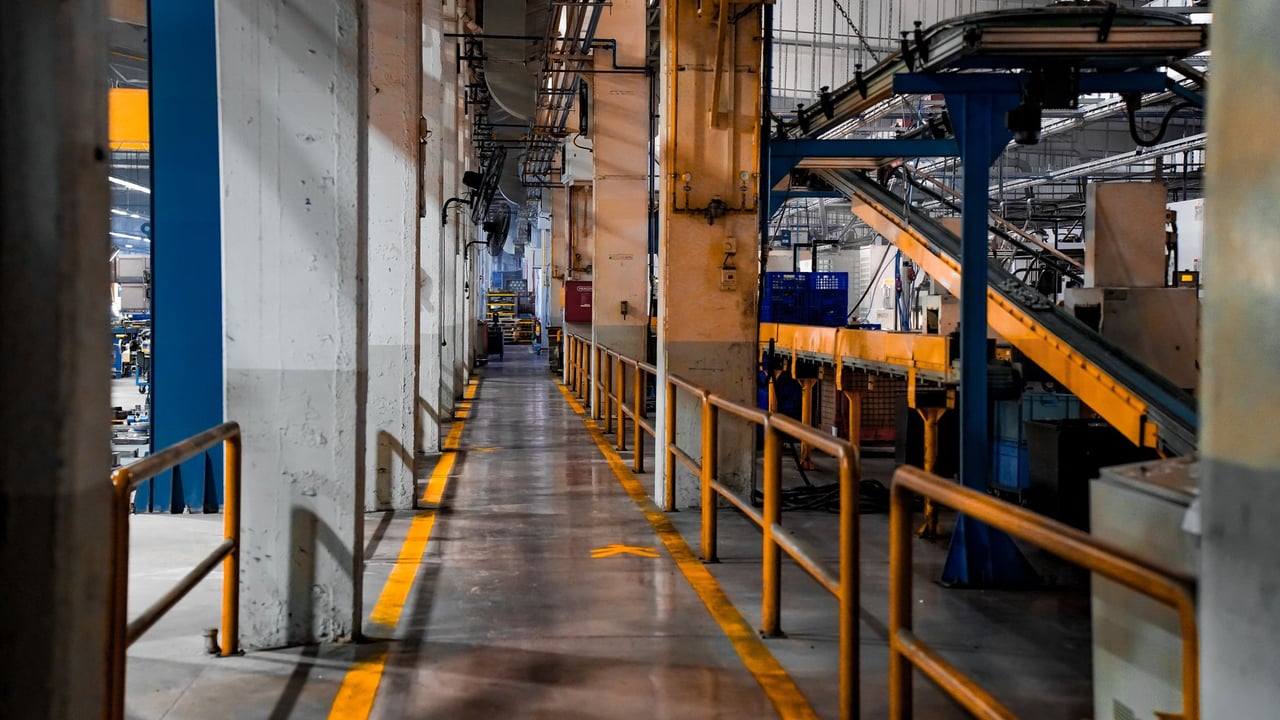
Photo by Yetkin Ağaç on Pexels
The Brief
Traditional Chinese manufacturing enterprises are increasingly entering the embodied intelligence sector, marking a shift as AI technologies penetrate physical industries. Driven by national policies to develop 'new quality productive forces,' legacy factories and industrial giants are adopting robotics and embodied AI to upgrade their operations. Key developments include the emergence of specialized firms like Wuxi Kaiqi Embodied Intelligent Robot Technology and investments by established players like Kailong High-tech, signaling a broader push toward digital and intelligent manufacturing.
Why it matters
The entry of traditional manufacturing enterprises into the embodied intelligence sector indicates that AI is rapidly moving from digital applications into physical, real-world industrial environments. This transition could provide new growth engines for legacy factories and accelerate the intelligent upgrading of China's manufacturing base.
China context
Against the backdrop of China's national push to develop 'new quality productive forces,' the transformation of traditional industrial provinces and established manufacturing firms through robotics and embodied AI represents a key practical application of state-guided digital and intelligent industrial policies.
Editor's View
EDITOR'S VIEW — Analysis and inference, not factual reporting.
The pivot of established Chinese industrial firms toward embodied intelligence highlights a pragmatic approach to AI adoption. Rather than relying solely on software-based AI, Chinese manufacturers are focusing on physical automation—such as robotic hands and factory-floor AI—to solve real-world productivity challenges. The success of this transition will depend heavily on whether these legacy firms can effectively integrate complex AI systems with traditional hardware and achieve cost-effective mass production.
What to watch
- The product development and mass production progress of newly established or transitioning firms like Wuxi Kaiqi Embodied Intelligent Robot Technology Co., Ltd.
- The scale of capital investment and technological research partnerships by traditional industrial giants such as Kailong High-tech Co., Ltd. in the embodied intelligence field.
Key Takeaways
- 1Traditional Chinese manufacturing firms are expanding into embodied intelligence and robotics to upgrade legacy operations.
- 2The shift aligns with China's national policy to foster 'new quality productive forces' through digital and intelligent industrial transformation.
- 3Newer players like Wuxi Kaiqi and established giants like Kailong High-tech are actively investing in and developing embodied AI technologies.
Traditional Chinese manufacturing enterprises are increasingly venturing into the frontier of embodied intelligence, marking a significant shift as artificial intelligence technologies accelerate their penetration into the physical world and industrial sectors. This transition is characterized by established factories exploring new developmental tracks, such as training robots—often described as robots 'going to school'—and testing dexterous robotic hands in simulated 'exams'.
Under China's broader national strategy to develop 'new quality productive forces,' traditional industrial provinces and long-standing manufacturing firms are actively transforming their operations. By introducing cutting-edge technologies like embodied intelligence and robotics, these companies are responding to national policies aimed at the digital and intelligent upgrading of the manufacturing sector. This strategic pivot not only offers new growth avenues for legacy factories but also contributes to the modernization of China's overall industrial base.
A key aspect of this trend is the emergence of specialized entities. Among the notable players in this transition are newly established or transitioning enterprises such as Wuxi Kaiqi Embodied Intelligent Robot Technology Co., Ltd. (无锡市凯奇具身智能机器人科技有限公司). At the same time, established industrial giants, including Kailong High-tech Co., Ltd. (凯龙高科), are directing capital and research efforts toward embodied intelligence, seeking technological partnerships to drive innovation in this emerging field.
As these traditional manufacturers deepen their involvement, the industry will closely monitor the product development and mass production timelines of specialized robotics firms like Wuxi Kaiqi. Furthermore, the scale of capital investment and the direction of research collaborations by industrial heavyweights like Kailong High-tech will serve as key indicators of how successfully legacy manufacturing can integrate with advanced AI. The integration of embodied intelligence into physical factories represents a critical test of whether AI can move beyond digital screens and deliver tangible productivity gains on the factory floor.
Sources
- 活力中国调研行|机器人“上学”、灵巧手“考试”:老牌工厂布局新赛道,多元探索具身智能 — NetEase · 7/21/2026
- China's first robotic hand testing equipment made in Wuxi — State Council of China
- Longbridge — Longbridge
- Netzerotrend — Netzerotrend