
Policy & RegulationAnalysis
China Food Reserves Agency Cites Stability Amid Rising Global Grain Prices
The National Food and Strategic Reserves Administration addressed external price volatility, affirming domestic market equilibrium.
Share
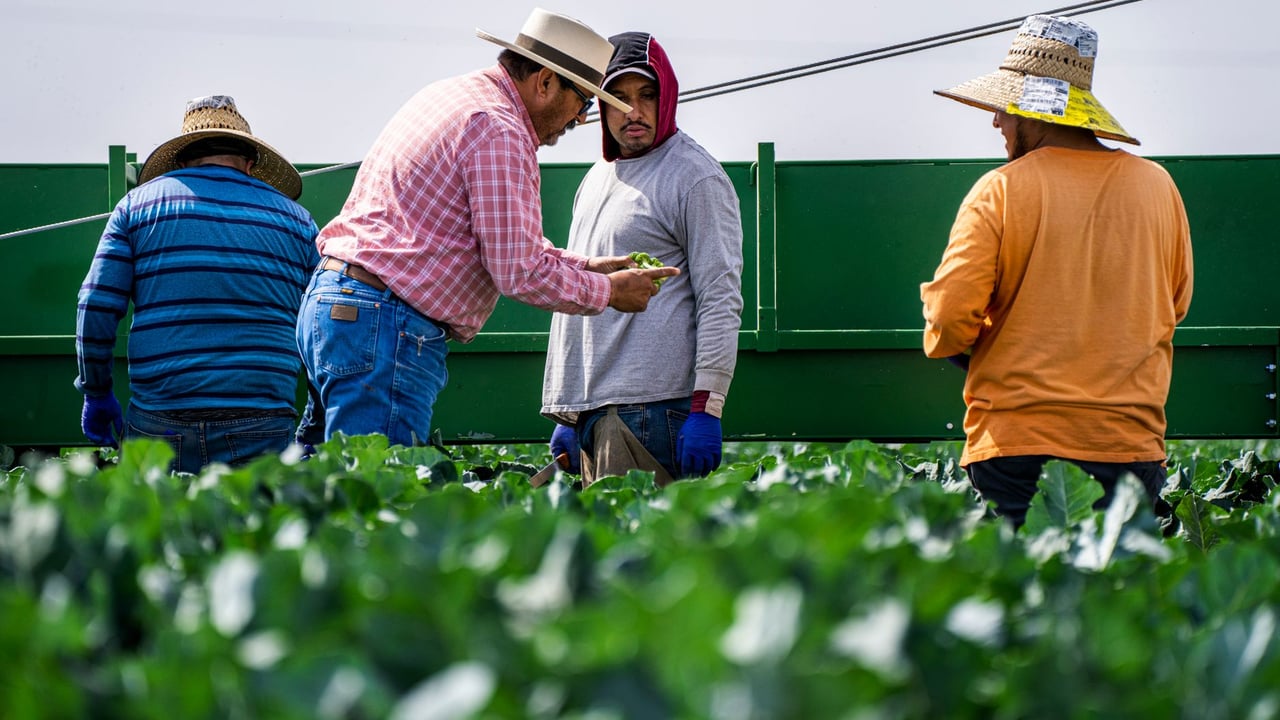
Photo by Mark Stebnicki on Pexels
The Brief
China's National Food and Strategic Reserves Administration stated that the country's domestic grain market remains generally stable, responding to ongoing increases in international grain prices. Reports carried by state-affiliated and financial media outlets, including China News Service and Yicai, highlighted the agency's assessment amid persistent overseas volatility. The agency's intervention underscores Beijing's focus on managing domestic expectations and shielding the country's agricultural supply chain from imported inflation, though detailed procurement metrics and policy adjustments from the briefing remain closely watched.
Why it matters
Against a backdrop of geopolitical tension and extreme weather affecting global agriculture, Chinese regulatory assurances provide insight into how Beijing plans to insulate domestic food supplies and stabilize consumer prices against foreign volatility.
China context
Food security and national reserve governance rank among Beijing's primary policy priorities. Affirming domestic grain stability serves to anchor market expectations, prevent hoarding, and mitigate the transmission of imported inflation into the domestic economy.
Editor's View
EDITOR'S VIEW — Analysis and inference, not factual reporting.
While the regulatory posture emphasizes domestic resilience, Beijing faces a delicate balancing act between stabilizing domestic staple prices and absorbing elevated import costs for feed grains and oilseeds. The agency's broad characterization of stability signals policy vigilance, but the true test of this buffer will depend on the upcoming autumn harvest procurement and downstream agricultural cost management.
What to watch
- Release of the full briefing transcript detailing autumn grain procurement policies and reserve release schedules.
- The ongoing impact of climate anomalies on domestic yields and global agricultural supply chains.
- Transmission of international fertilizer, energy, and maritime transport costs to domestic farming margins.
Key Takeaways
- 1The National Food and Strategic Reserves Administration reported that China's grain market remains generally stable.
- 2Official statements directly addressed the ongoing upward trend in international grain prices.
- 3Chinese media reports focused on high-level assurances of stability, with detailed operational data pending further official briefings.
China's domestic grain market has maintained overall stability despite persistent upward pressure on international agricultural prices, according to statements from the National Food and Strategic Reserves Administration reported by domestic media.
The official assessment, highlighted in reports by China News Service and financial outlet Yicai, follows public remarks by the agency's leadership addressing external commodity swings. While global markets have contended with shifting trade flows, climate disruptions, and geopolitical tensions that drive up grain valuations, Chinese authorities stressed that domestic conditions remain balanced.
The regulatory reassurance comes as policymakers in Beijing continue to emphasize food security and supply preservation. Historically, China has utilized extensive national stockpiles, targeted import schedules, and minimum purchase prices to insulate domestic staples, such as rice and wheat, from volatile international pricing trends. The agency's comments indicate an ongoing reliance on these domestic reserves to maintain price stability.
Media dispatches covering the response were concise, focusing primarily on the regulatory affirmation of market calm rather than detailing granular inventory volumes or newly revised subsidy mechanisms. Market participants are monitoring subsequent administrative releases to assess specific measures for seasonal grain collection, particularly ahead of major autumn harvest procurement cycles that dictate year-end supply buffers.
In addition to direct commodity prices, observers are tracking how external shocks in input expenses, such as energy and fertilizers, affect downstream agricultural output. Although basic food staples remain largely self-sufficient in China, certain feed grains and oilseeds maintain external dependencies, making regulatory management of reserves critical to preventing imported inflationary pressure.
For international markets, signals from China's grain authority are heavily scrutinized. Clear commitments to domestic market calm typically suggest that the central government will rely on internal reserve management and strategic procurement adjustments to counter global market spikes, rather than abruptly shifting bulk import demands.
Sources
- 国际粮食价格持续上涨,国家粮储局局长最新回应 — Yicai · 9/21/2026
- 国家粮食和物资储备局:中国粮食市场保持总体平稳 — China News Service · 9/21/2026