
Policy & RegulationAnalysis
China Emphasizes High-Quality Growth for 15th Five-Year Plan Start
Official state media highlight central governance priorities aimed at laying a strong foundation for the upcoming 15th Five-Year Plan period.
Share
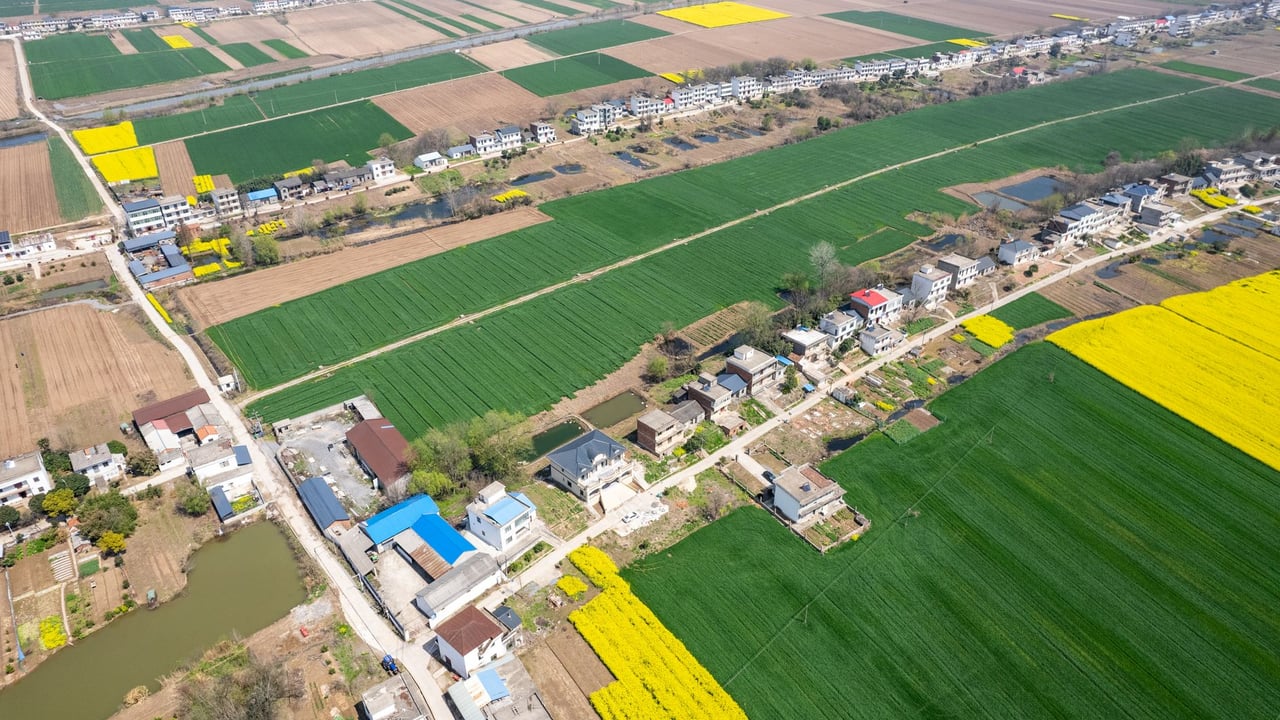
Photo by jason hu on Pexels
The Brief
Chinese state media outlets, including CCTV News and China News Network, published reports documenting central governance initiatives in 2026. The coverage emphasizes an unwavering commitment to high-quality development as China prepares for the start of its 15th Five-Year Plan. As 2026 marks both the launch of the new five-year planning cycle and the 105th anniversary of the Communist Party of China, official propaganda highlights policy consistency and strategic direction to ensure a solid foundation for long-term economic and social advancement.
Why it matters
The year 2026 marks the beginning of China's 15th Five-Year Plan period and the 105th anniversary of the founding of the Communist Party of China. Official coverage focusing on governance records signals central policy priorities for economic management, technological innovation, and social administration over the next five-year planning cycle.
China context
High-quality development remains established as the primary task in building a modern socialist country. As central planning transitions into the 15th Five-Year Plan, central-level strategic directives directly guide local government policy implementation, regional economic planning, and ministerial regulation across industrial and technological sectors.
Editor's View
EDITOR'S VIEW — Analysis and inference, not factual reporting.
The prominent focus on high-quality development reflects Beijing's ongoing structural shift away from high-speed, resource-intensive expansion toward sustainable, innovation-driven growth. By establishing policy expectations ahead of the formal rollout of the 15th Five-Year Plan, central leadership aims to align provincial authorities and central ministries around consistent policy execution and long-term economic stability.
What to watch
- Progress on the drafting, review, and formal approval of the 15th Five-Year Plan outline.
- Policy directives covering industrial upgrading, technological innovation, and macroeconomic regulation designed to support high-quality growth.
- Implementation plans issued by provincial governments aligning local development strategies with central mandates.
Key Takeaways
- 1State media outlets released governance documentations reviewing central policy achievements and direction in 2026.
- 2Official reports frame high-quality development as the key mechanism to secure a strong start for the 15th Five-Year Plan.
- 3The 2026 policy cycle coincides with the 105th anniversary of the Communist Party of China and the launch of the new five-year plan.
Chinese state media outlets, including CCTV News and China News Network, have released reports documenting central leadership governance efforts in 2026, highlighting an unwavering commitment to high-quality development and establishing a solid foundation for the upcoming 15th Five-Year Plan.
According to state media coverage published in August 2026, national policy priorities throughout the year have consistently emphasized high-quality economic and social progress. The year 2026 represents a major strategic juncture for China's administrative calendar, marking both the commencement of the 15th Five-Year Plan period and the 105th anniversary of the founding of the Communist Party of China. Official media reports present these milestones as key reference points for demonstrating governance results and aligning long-term national objectives.
Under China's overall policy framework, high-quality development remains established as the primary task in comprehensive socialist modernization. As the 15th Five-Year Plan period begins, central leadership guidelines are intended to directly inform the legislative, industrial, and economic agendas of central ministries and regional governments. The official narrative underscores the necessity of balancing stable macroeconomic growth with structural transformation, industrial refinement, and technological development.
While state media coverage establishes the broader direction of national policy, the detailed targets and concrete policy levers will depend on the finalization and approval of the full 15th Five-Year Plan outline. Key areas to monitor include the alignment between central strategic mandates and local government execution, as well as specific macroeconomic, technological, and industrial policy measures launched to support long-term economic stability.
The emphasis on high-quality growth reflects a broader structural shift away from high-speed expansion toward sustainable, innovation-driven economic development. The upcoming planning cycle will serve as a crucial window for evaluating how effectively central priorities guide local policy implementation and foster sustainable economic resilience.
Sources
- 习近平总书记今年以来治国理政纪实丨坚定不移推动高质量发展 努力实现“十五五”良好开局 — China News Service · 8/4/2026
- 【奋力开创中国式现代化建设新局面——习近平总书记今年以来治国理政纪实】坚定不移推动高质量发展 努力实现“十五五”良好开局-中新网视频 — China News Service · 8/4/2026