
Policy & RegulationAnalysis
China Builds Full-Cycle Policy Framework for Urban Renewal Projects
New fiscal allocations, dedicated bank loans, and REIT channels aim to sustain municipal renovations while overcoming regulatory bottlenecks.
Share
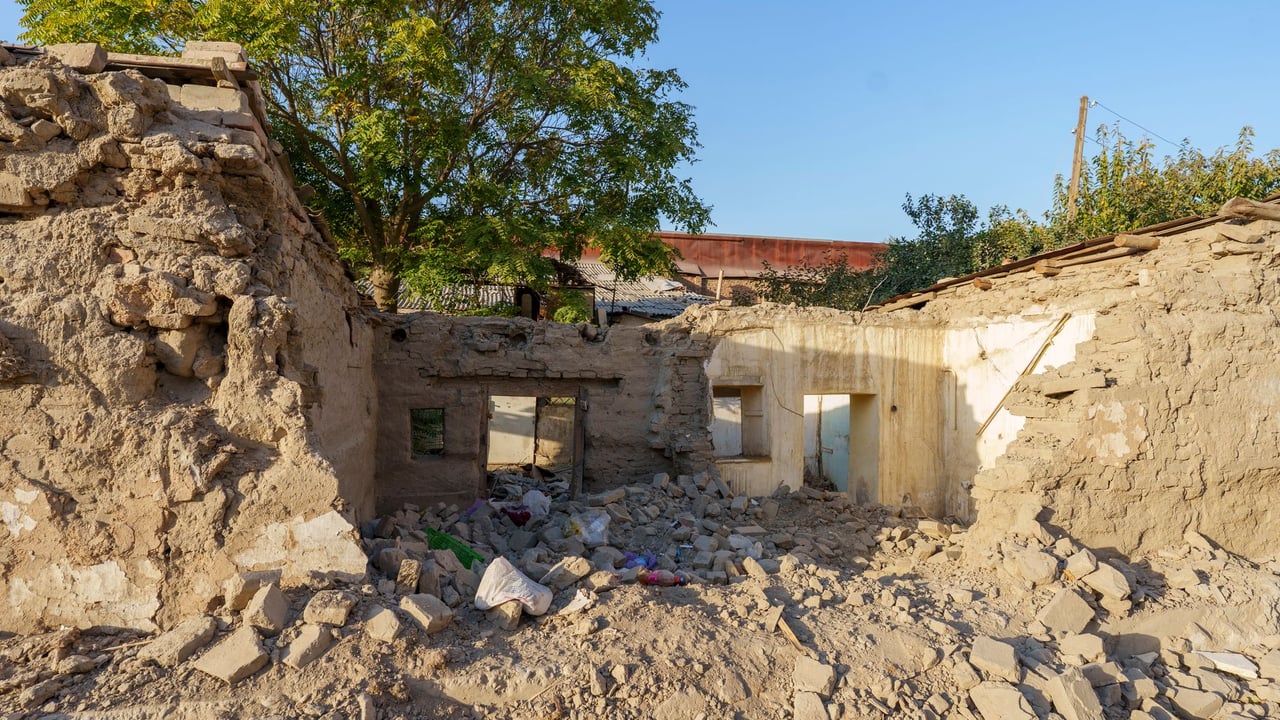
Photo by Khusen Rustamov on Pexels
The Brief
China is accelerating the rollout of a comprehensive policy and financing framework for urban renewal following its national 15th Five-Year Plan guidelines. Provincal rollouts in Yunnan, Anhui, and Hunan accompany substantial central fiscal outlays, including 970 billion yuan in central budget investment and 160 billion yuan in ultra-long special treasury bonds for underground utility networks. Regulators have also introduced dedicated urban renewal loan rules and expanded access to public real estate investment trusts (REITs), aiming to establish viable funding models as municipal governments transition from new construction to upgrading existing urban stock.
Why it matters
The formation of a full-cycle policy framework indicates that China is systematically pivoting urban development away from large-scale demolition toward the targeted renovation of existing property and infrastructure. Backing these efforts with central fiscal funding, dedicated lending instruments, and capital market exits helps maintain infrastructure investment, improves living conditions for roughly 8 million households, and supports a more sustainable development model for the broader real estate sector.
China context
Under preparations for the 15th Five-Year Plan and directives promoting qualitative, intensive urban development, authorities are seeking to shift urban renewal from fragmented pilot projects into institutionalized local governance. Facing municipal fiscal pressures and private developers' liquidity constraints, the central government is combining sovereign debt instruments, specialized credit categories, and REITs to construct a closed-loop investment and exit mechanism that encourages broader private participation.
Editor's View
EDITOR'S VIEW — Analysis and inference, not factual reporting.
The policy push reflects an increasingly realistic understanding of municipal balance sheets. By pairing direct budgetary funds with specialized bank loans and equity-based REITs, Beijing is attempting to replace volatile land-sale revenues with a disciplined capital-recycling model. However, the ultimate efficacy of this framework depends heavily on lowering regulatory frictions. As long as renovation projects remain constrained by fire codes and zoning classifications designed for greenfield developments, private capital participation is likely to remain cautious.
What to watch
- Release of differentiated national standards for land repurposing and fire code approvals tailored to renovation projects.
- The launch and expansion pace of the first wave of public urban renewal and rental housing REITs.
- Implementation details in provincial and municipal urban renewal regulations concerning property rights consolidation and revenue sharing.
Key Takeaways
- 1Yunnan, Anhui, and Hunan have initiated provincial 15th Five-Year urban renewal plans following the national blueprint issued in May.
- 2Central budget funding of 970 billion yuan and ultra-long treasury bond financing of 160 billion yuan are targeting residential renovation and pipeline networks.
- 3Financial regulators launched specialized bank loan guidelines and approved urban renewal and rental projects for public REIT issuances.
- 4Institutional challenges remain, including outdated fire code standards, inflexible land planning, and barriers to private capital participation.
China is accelerating the creation of a full-cycle policy and financing framework to govern urban renewal projects, marked by a surge in provincial legislation, direct fiscal allocations, and specialized credit mechanisms, according to domestic reports.
Following the release of China's national 15th Five-Year Plan for urban renewal in May, provincial authorities have swiftly followed suit. Yunnan and Anhui provinces published their own respective five-year action blueprints in early September, while Hunan province launched a three-year renewal campaign, official media reported. These regional directives are designed to translate central policy into institutionalized municipal planning.
Substantial state capital has been earmarked to anchor these programs. According to Guan Peng, an official with the National Development and Reform Commission's Fixed Asset Investment Department cited by People's Daily, central budget investment has allocated 970 billion yuan for urban renewal to renovate run-down urban neighborhoods and precarious residential buildings, aiming to benefit approximately 8 million households. In addition, 160 billion yuan from ultra-long-term special treasury bonds will support upgrades to municipal gas, drainage, water, and heating underground pipelines.
Financial regulators are moving in parallel to broaden debt and equity funding. Trial management rules released in late August introduced a dedicated credit category for urban renewal project loans, establishing clearer parameters for bank approvals, repayment sources, and closed-loop fund administration. Meanwhile, the China Securities Regulatory Commission issued guidelines on August 28 permitting qualified urban renewal and rental housing assets to list as public real estate investment trusts (REITs) or be injected into existing REITs, offering developers an equity-financing exit to manage long project horizons.
Despite the evolving framework, structural hurdles persist. Xiao Ruoshi, an associate researcher at the National Information Center under the NDRC, noted in an interview with Securities Daily that an overarching policy architecture is now in place, but significant bottlenecks remain. Specifically, existing land-use planning rules, rigid fire safety acceptance requirements geared toward new construction, and ambiguous administrative procedures continue to hinder the efficient deployment of private capital.
Sources
- 城市更新全生命周期政策体系正加速形成--经济·科技--人民网 — People's Daily · 9/14/2026