
Policy & RegulationAnalysis
China Advances Green Mine Restoration Across 262 Resource Cities
The NDRC reports that national-level green mines in resource-dependent cities have reached 699, combining remediation with clean energy and tourism.
Share
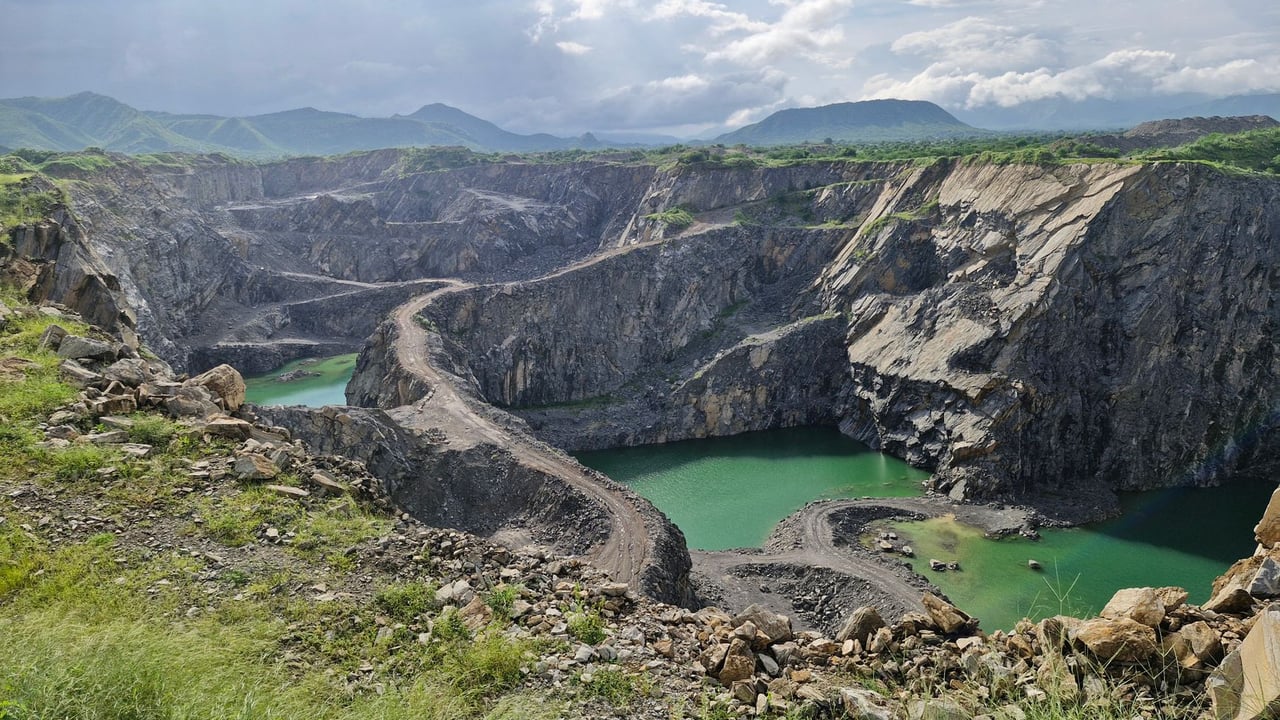
Photo by Vikash Kumar meena on Pexels
The Brief
China is accelerating ecological restoration and green development across its 262 resource-based cities, according to data from the National Development and Reform Commission (NDRC). These municipalities now host 699 national-level green mines—representing 67.7 percent of the national total—and 88 national industrial heritage sites. Abandoned pits and coal subsidence zones are increasingly being converted into tourism destinations and renewable energy bases, while active extraction sites adopt closed-loop transport and concurrent land rehabilitation.
Why it matters
Ecological remediation of mining districts is critical not only for safeguarding ecological redlines across key watersheds like the Yangtze River, but also for breaking the path dependency of resource-depleted cities seeking viable alternative industries.
China context
Faced with deep environmental deficits from decades of intensive resource extraction, Chinese economic planners are pairing land remediation with new energy infrastructure and industrial heritage tourism. The National Development and Reform Commission is focusing on market-oriented financing and ecological compensation to build a self-sustaining cycle where restored assets generate economic returns.
Editor's View
EDITOR'S VIEW — Analysis and inference, not factual reporting.
The shift highlighted by the NDRC reflects a broader policy evolution from state-subsidized environmental cleanup to value-generating land redevelopment. By repurposing mining subsidence zones into solar and wind hubs and converting open pits into industrial tourism sites, policymakers aim to alleviate local fiscal burdens while contributing to national clean energy quotas. However, the long-term economic sustainability of these projects will depend heavily on whether local governments can attract private capital into post-mining industries rather than relying purely on state-backed mandates.
What to watch
- NDRC implementation guidelines on market-oriented investment and financing mechanisms for mine remediation
- Progress and grid connection stability of clean energy bases built over coal subsidence zones
- Updates to the national standards and inspection thresholds for designating national-level green mines
Key Takeaways
- 1China's 262 resource-based cities now host 699 national green mines, accounting for 67.7 percent of the national total.
- 2Resource-dependent areas have developed 88 national industrial heritage sites, comprising 33 percent of China's total.
- 3Repurposed coal subsidence land is supplying clean electricity, with one transformed site meeting the power needs of over one million households.
- 4Active extraction facilities, such as the Shukongping phosphate mine in Hubei, are implementing simultaneous mining and terraced restoration alongside enclosed pipeline transit.
- 5The NDRC plans to coordinate mine remediation with urban renewal, ecological compensation, and market financing to create a self-sustaining funding cycle.
China's economic planning authorities are expanding efforts to overhaul ecological management across the country's 262 designated resource-based cities, turning legacy mining pits into clean power bases and revamping active sites with low-emission infrastructure, according to state media reporting based on National Development and Reform Commission (NDRC) data.
According to the NDRC, resource-dependent cities now account for 699 national-level green mines, or 67.7 percent of China's nationwide total. These facilities span major extractive sectors, including coal, oil and gas, metals, and non-metallic minerals. In addition, these regions have established 88 national industrial heritage sites, representing one-third of the country's total, as municipalities convert shuttered pits into tourism attractions through revegetation and waterway reconnection.
Beyond tourism, historical mining zones are being repurposed into renewable power assets. Former coal mining subsidence areas have been redeveloped into clean energy hubs, with one converted base generating enough outbound electricity annually to supply more than one million households, state broadcaster CCTV reported.
Simultaneously, active extraction sites are restructuring daily operations to curb pollution. At the Shukongping phosphate mine in Yichang, Hubei province, operators have implemented a phased model of concurrent extraction and reclamation, steadily enlarging terraced green belts alongside active seams. To resolve the logistical bottleneck of moving phosphate from deep mountain valleys to shipping terminals, a 55-kilometer, fully enclosed slurry pipeline recently commenced formal operation, cutting transport emissions and dust run-off.
The NDRC stated that its upcoming focus will integrate mine remediation directly with urban renewal and the development of replacement industries. Planners aim to refine ecological compensation systems and innovate投financing mechanisms, seeking to mobilize market capital into a sustainable economic loop where environmental restoration yields commercial value that funds further conservation.
Sources
- 我国矿山生态保护修复向绿向新 — State Council of China · 8/24/2026