
Business & IndustryAnalysis
Copper Reaches Record Highs as Chinese Smelters Face Structural Margins Crunch
Global raw material shortages and negative processing fees expose the vulnerability of China's midstream smelters amid record copper prices.
Share
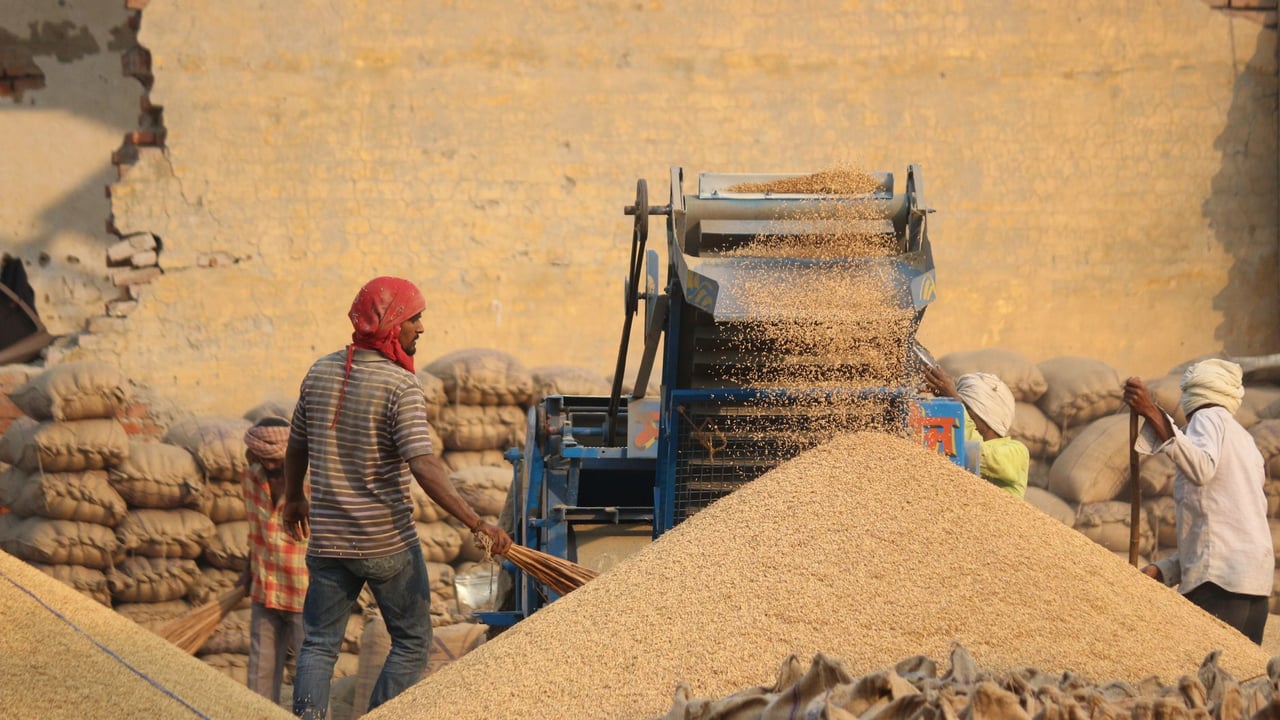
Photo by Ravinder Ravi on Pexels
The Brief
Surging global copper prices—with three-month copper on the London Metal Exchange briefly topping $14,800 per tonne and Shanghai contracts breaching 110,000 yuan—have highlighted acute structural strains across China's copper sector. Upstream mining companies are capturing substantial profits, while Chinese midstream smelters face negative spot treatment and refining charges, forcing them to operate at a loss. Heavily reliant on imported copper concentrates for approximately 80 percent of its supply, the domestic industry is facing pressure to halt low-end capacity additions and pivot toward high-purity and advanced materials.
Why it matters
Copper is an essential input for renewable energy systems, artificial intelligence computing infrastructure, and advanced equipment. The simultaneous occurrence of record metal prices and operational losses at Chinese smelters exposes deep-seated structural contradictions in the world's largest processing base, accelerating efforts to curb inefficient smelting capacity and raise domestic technological self-reliance.
China context
Although China operates the world's largest copper smelting and processing capacity, it imports about 80 percent of its copper concentrate, creating an imbalance characterized by high smelting capacity relative to limited raw ore. In response to rigid global mine supply constraints, Chinese industrial policy increasingly stresses strict controls on new smelting projects, expanding domestic prospecting, utilizing scrap copper resources, and scaling domestic production of high-end copper materials.
Editor's View
EDITOR'S VIEW — Analysis and inference, not factual reporting.
The ongoing margin squeeze across Chinese copper smelters demonstrates the limits of volume-led industrial expansion when raw material inputs remain concentrated abroad. As processing fees drop into negative territory, simply expanding capacity exacerbates internal competition rather than creating pricing power. The sector's long-term viability will hinge on whether regulatory controls can effectively curb excessive smelting builds while redirecting capital into specialty materials like ultra-pure copper and advanced foils.
What to watch
- Whether Chinese industrial authorities introduce stricter capacity replacement rules to curb low-end smelting expansions.
- The trajectory of spot copper treatment and refining charges (TC/RCs) and any coordinated smelting maintenance or production cuts.
- Commercial scaling and yield improvements for domestic 6N and 7N high-purity copper and ultra-thin electronic copper foil.
Key Takeaways
- 1LME three-month copper briefly reached an all-time high above $14,800 per tonne, while Shanghai copper broke through 110,000 yuan per tonne.
- 2Upstream mining firms are reaping record earnings, but midstream smelters face negative spot treatment and refining charges (TC/RCs).
- 3China depends on overseas supplies for about 80 percent of its copper concentrates, creating severe structural exposure to mine supply constraints.
- 4Domestic manufacturers are accelerating self-sufficiency in advanced copper products, including 6N-grade ultra-pure copper and specialized copper foil.
Global copper prices have recently climbed to consecutive all-time peaks, but the rally has laid bare deep margin imbalances within China's downstream and midstream processing supply chain, according to reports carried by People's Daily and Economic Daily.
Three-month copper contracts on the London Metal Exchange briefly crossed $14,800 per metric ton, while the primary contract on the Shanghai Futures Exchange surpassed 110,000 yuan per ton before pulling back into a elevated range. Although resource-rich upstream mining companies have benefited significantly from higher output prices, midstream smelters have seen their processing margins deteriorate. Spot treatment and refining charges for copper concentrate have dropped into negative territory, leaving smelters effectively subsidizing production costs to maintain operations.
This divergence reflects a persistent structural dilemma. China has built the world's largest smelting and processing system, leading global capacity and output rankings. However, this scale has not translated into proportional supply chain leverage. Global mine output has entered a period of tight expansion due to declining ore grades, recurring operational disruptions abroad, and long lead times for new mining projects. Concurrently, China relies on imports for approximately 80 percent of its copper concentrates. This dynamic has resulted in an imbalance where excessive domestic smelting capacity competes for constrained overseas feedstock, trapping many primary processors in low-margin cycles.
Chinese industry commentary stresses that addressing this imbalance requires reining in the expansion of primary smelting capacity, strictly barring illegal or inefficient builds, and broadening resource security. Strategies include stepping up domestic deep-deposit exploration, developing low-grade resources, expanding overseas equity mine holdings, and improving the recycling of copper scrap.
Simultaneously, domestic enterprises are pursuing technological upgrades in high-value copper materials. Breakthroughs cited by state media include Sino-Platinum/Sinomach-affiliated research units producing heat-resistant fine-grain copper strips for export, CNMC Zhengrui Copper developing ultra-thin precision electronic copper foil, and Tongling Nonferrous Metals mass-producing 6N-grade high-purity copper while advancing 7N-grade iterations for advanced electronics and artificial intelligence hardware.
Sources
- 铜价连续刷新历史高点 铜产业需跳出结构性困局 — China News Service · 10/6/2026
- 铜产业要跳出结构性困局--经济·科技--人民网 — People's Daily · 10/6/2026