
Business & IndustryAnalysis
China H1 2026 Household Income Rises 5.2% as Rural Gains Outpace Urban
Official statistics show steady wage growth and expanding rural income, though consumption expenditure growth continues to lag behind income gains.
Share
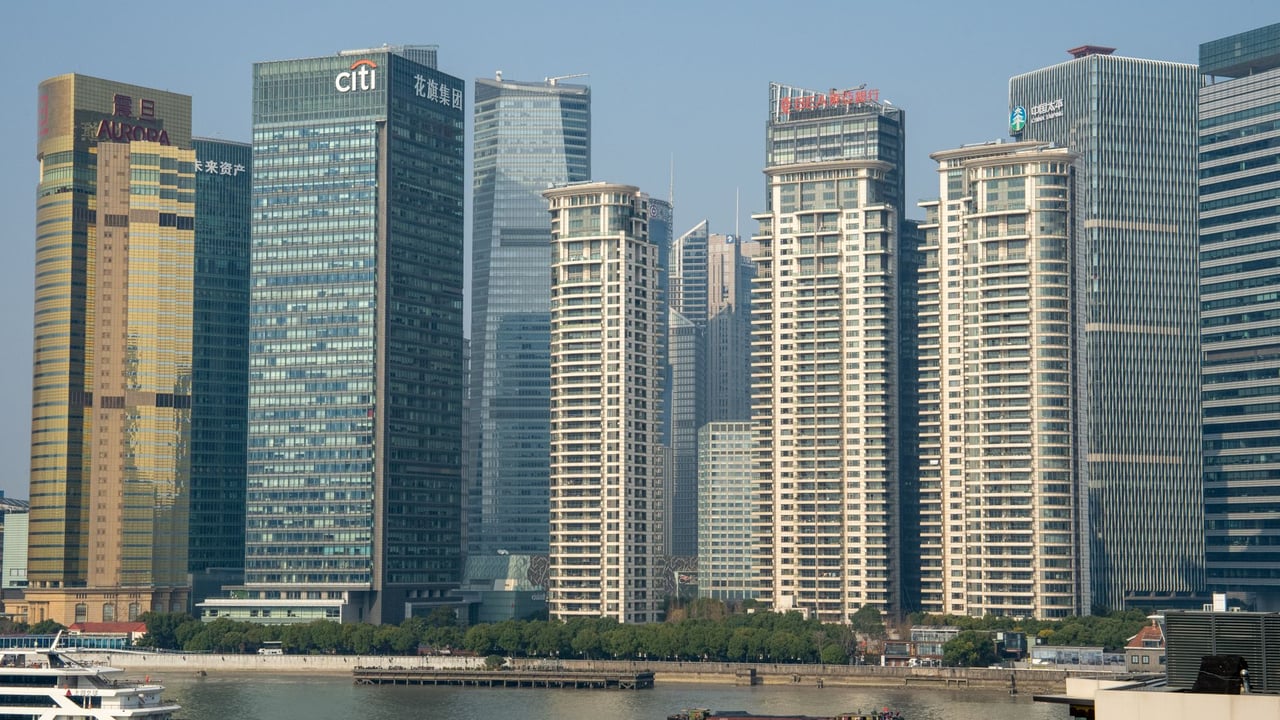
Photo by Neil Ni on Pexels
The Brief
In the first half of 2026, China's per capita disposable income reached 22,981 yuan, marking a 5.2% nominal increase and a 4.2% real growth year-on-year, according to the National Bureau of Statistics. Rural income growth outpaced urban income growth in both nominal and real terms, driven by strong business and wage income gains. Meanwhile, per capita consumption spending rose 3.7% nominally to 14,836 yuan, trailing income growth and highlighting a persistent caution among household spenders.
Why it matters
Household income and spending metrics provide direct evidence of how macroeconomic policies translate to the microeconomic level. Faster income and spending growth in rural areas highlights the expanding potential of lower-tier markets, supporting broader domestic demand expansion efforts.
China context
Against the backdrop of China's domestic demand expansion and rural revitalization strategies, policy makers are focused on narrowing urban-rural income disparities, boosting consumer confidence, and optimizing income distribution to sustain medium-term economic growth.
Editor's View
EDITOR'S VIEW — Analysis and inference, not factual reporting.
The H1 2026 data shows structural durability in wage income, which remains the primary engine of household earnings, alongside notable momentum in rural entrepreneurship and business income. However, the gap between income growth (5.2% nominal) and spending growth (3.7% nominal) underscores ongoing household risk aversion. Policy measures to expand social safety nets and encourage consumer confidence will remain central to translating income gains into retail growth.
What to watch
- Whether household propensity to consume rebounds in the second half of 2026.
- The sustained impact of employment promotion policies on wage income growth.
- The trajectory of the income and expenditure growth gap between urban and rural households.
Key Takeaways
- 1Nationwide per capita disposable income rose 5.2% nominally (4.2% real) to 22,981 yuan in H1 2026.
- 2Rural per capita disposable income grew 6.4% nominally, outpacing urban income growth of 4.4%.
- 3Wage income accounted for 57.9% of total disposable income, while net business income grew the fastest at 6.5%.
- 4Per capita consumption expenditure increased 3.7% nominally to 14,836 yuan, trailing disposable income growth.
In the first half of 2026, China's nationwide per capita disposable income reached 22,981 yuan, representing a nominal year-on-year growth of 5.2% and a real increase of 4.2% after accounting for inflation, according to data released by the National Bureau of Statistics (NBS).
A closer breakdown of the figures reveals a persistent growth differential between rural and urban populations. Urban per capita disposable income rose to 30,126 yuan, recording a nominal increase of 4.4% and a real growth rate of 3.4%. Meanwhile, rural per capita disposable income reached 12,699 yuan, reflecting a nominal surge of 6.4% and a real growth rate of 5.5%, outperforming urban income gains in both nominal and real terms.
By income category, wage income remained the primary contributor to household revenues. Per capita wage income stood at 13,298 yuan, up 5.3% year-on-year, and accounted for 57.9% of total disposable income. Net business income reached 3,628 yuan, showing the strongest rate of expansion among income components with a 6.5% nominal rise, contributing 15.8% to overall income. Net transfer income grew by 5.8% to 4,210 yuan, representing 18.3% of total income. Net property income lagged behind other categories, rising 1.1% to 1,845 yuan and making up 8.0% of disposable income.
National median income figures mirrored similar trends. The nationwide per capita median disposable income was 19,036 yuan, up 4.7% nominally, standing at 82.8% of the average income. For urban residents, median income grew 4.0% to 26,389 yuan (87.6% of average), while rural median income rose 5.9% to 10,649 yuan (83.9% of average).
On the expenditure front, nationwide per capita consumption spending reached 14,836 yuan during the six-month period, marking a nominal increase of 3.7% year-on-year and a real growth of 2.7%. Urban per capita consumption expenditure reached 18,071 yuan. Overall expenditure growth continued to trail income growth, pointing to ongoing cautiousness in consumer behavior despite modest income gains.
Sources
- var title1 = '2026年上半年居民收入和消费支出情况'; var title2 = ''; var title3 = ''; if (title1.length > 0 && title2.length > 0 && title3.length > 0) { document.write( '2026年上半年居民收入和消费支出情况</br></br>' ); } else if (title1.length > 0 && title2.length > 0) { document.write( '2026年上半年居民收入和消费支出情况</br>' ); } else { document.write('2026年上半年居民收入和消费支出情况'); } — National Bureau of Statistics · 7/28/2026