
Business & IndustryAnalysis
China’s Industrial Output Grows 5.3% in June Amid Steady Recovery
Value-added industrial output for major enterprises maintains growth momentum as the nation focuses on manufacturing upgrades.
Share
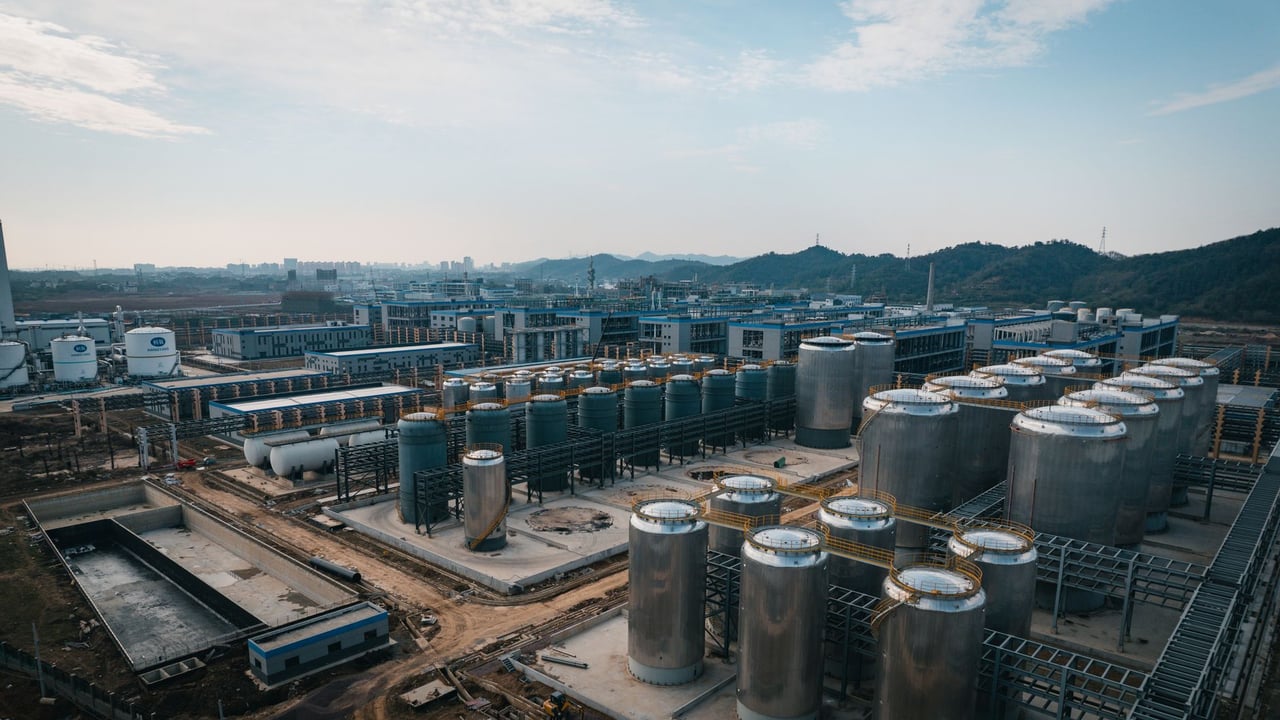
Photo by jason hu on Pexels
The Brief
China's value-added industrial output for enterprises above a designated size grew by 5.3% year-on-year in June. This figure, a critical component of the nation's GDP, reflects a stable operational environment for the industrial economy. The growth comes as China continues to navigate a transition toward high-quality development and "new quality productive forces," balancing the resilience of traditional industries with the expansion of high-tech manufacturing sectors.
Why it matters
Industrial output is a primary driver of China's economic growth. A 5.3% growth rate indicates that the industrial sector is maintaining a steady pace, providing a vital benchmark for assessing the overall progress of China's macroeconomic recovery and its ability to meet annual growth targets.
China context
In the context of China's push for manufacturing transformation, these figures demonstrate the performance of the country's industrial backbone. The data reflects the impact of policies aimed at fostering "new quality productive forces" while maintaining the stability of traditional manufacturing sectors during a period of structural economic shifts.
Editor's View
EDITOR'S VIEW — Analysis and inference, not factual reporting.
The 5.3% growth in June suggests that supply-side industrial activity remains resilient despite broader global economic uncertainties. However, the key challenge for policymakers will be ensuring that this industrial momentum translates into broader economic vitality, particularly as domestic demand remains a focal point for recovery. The divergence or alignment between industrial output and forward-looking indicators like the Manufacturing PMI will be essential to monitor in the coming months.
What to watch
- Whether industrial growth can consistently remain above the 5% threshold in the second half of the year.
- The degree of synchronization between the Manufacturing PMI and actual industrial output data.
- The effectiveness of targeted policies for industrial equipment upgrades and consumer goods trade-ins in driving future output.
Key Takeaways
- 1Value-added industrial output for major enterprises grew 5.3% year-on-year in June.
- 2The growth reflects a stable operational trend within China's industrial economy.
- 3Industrial output remains a key reference point for evaluating the progress of China's macroeconomic recovery.
- 4The data highlights the performance of both traditional industries and emerging 'new quality productive forces.'
China’s value-added industrial output for enterprises above a designated size increased by 5.3% year-on-year in June, according to data released on July 15, 2026. This growth rate highlights a period of relative stability for the nation's industrial sector, which remains a cornerstone of the broader economy.
The 5.3% expansion is a critical metric for analysts tracking China’s macroeconomic recovery. As a primary component of Gross Domestic Product (GDP), the performance of large-scale industrial firms—typically defined as those with an annual main business revenue of 20 million yuan or more—provides a clear window into the health of the manufacturing, mining, and utility sectors.
The current growth trajectory comes at a time when China is actively pivoting toward "high-quality development." This strategy emphasizes the cultivation of "new quality productive forces," which includes high-tech manufacturing, green energy, and advanced digital infrastructure. While the headline figure of 5.3% suggests steady progress, it also reflects the ongoing resilience of traditional manufacturing bases that continue to support the industrial backbone.
Market observers note that maintaining a growth rate above 5% is significant for meeting annual economic targets. However, the industrial sector faces a complex environment characterized by fluctuating global demand and internal structural transitions. The stability seen in June suggests that supply-side activities remain robust, even as the government implements various measures to stimulate domestic consumption and expand effective investment.
Looking forward, the focus will shift to whether this level of industrial activity can be sustained through the remainder of the year. Key indicators to monitor include the Manufacturing Purchasing Managers' Index (PMI), which offers a forward-looking view of factory activity, and the specific impact of recent policies aimed at equipment upgrades. The degree to which these policies translate into sustained industrial demand will be a primary factor in determining if the 5.3% growth rate represents a stable floor for the current economic cycle.
Sources
- 6月规模以上工业增加值增长5.3% — NetEase · 7/15/2026