
Business & IndustryAnalysis
China's Residential Property Price Declines Narrow Across Tiers in June
New data suggests a potential stabilization in the housing market as year-on-year price drops moderate across major cities.
Share
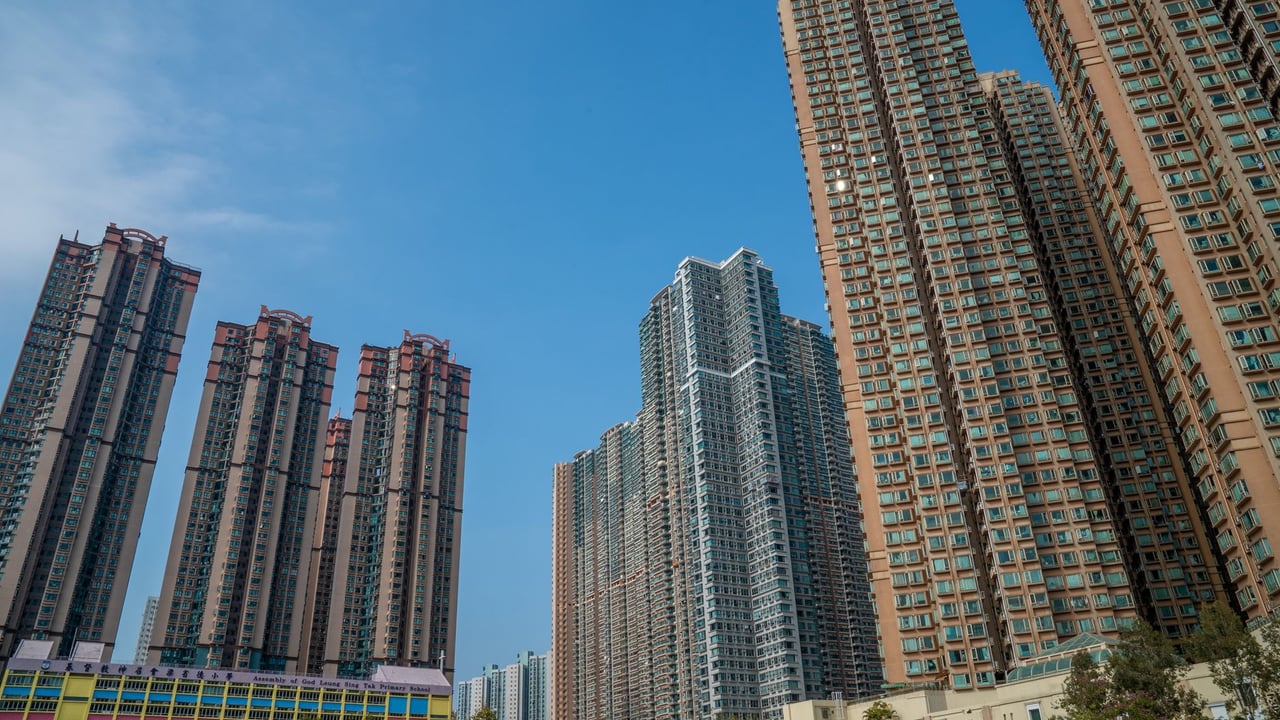
Photo by Harry Shum on Pexels
The Brief
In June, the year-on-year decline in commercial residential sales prices across various city tiers in China continued to narrow, according to recent reports. This trend suggests a potential moderation in the downward pressure that has characterized the property sector over the past year. While prices remain lower than they were during the same period in the previous year, the slowing pace of the decline may indicate that market stabilization efforts and city-specific policies are beginning to take effect across first, second, and third-tier cities.
Why it matters
A narrowing decline in housing prices could signal that the real estate market is reaching a floor. Given the sector's significant contribution to China's GDP, stabilization is critical for broader macroeconomic health and restoring consumer confidence, making this a vital indicator of the country's economic recovery strength.
China context
Real estate remains a pillar of the Chinese economy. Under the "housing is for living, not for speculation" framework and the "city-specific" policy approach, the National Bureau of Statistics data serves as a key window for evaluating the effectiveness of local and national property market regulations.
Editor's View
EDITOR'S VIEW — Analysis and inference, not factual reporting.
The narrowing decline is a positive technical signal, but it does not yet represent a full recovery. The market remains significantly bifurcated between top-tier hubs and smaller cities. Analysts should look for whether this narrowing leads to actual price growth or if it merely reflects a lower statistical base from the previous year. True stabilization will likely require a corresponding rise in transaction volumes.
What to watch
- Whether the year-on-year decline continues to narrow or turns positive in the coming months.
- If housing transaction volumes rise in tandem with the stabilization of prices.
- The potential for further market divergence between first-tier cities and lower-tier regional markets.
Commercial residential sales prices across China's various city tiers saw a continued narrowing of their year-on-year declines in June, according to data reported on July 15. This development suggests that the intense downward pressure on the nation's property market may be easing, as the rate of price depreciation slows across the board. The narrowing of these declines is a closely watched metric for economists seeking signs of a floor in the protracted real estate downturn.
The trend encompasses first-tier, second-tier, and third-tier cities, indicating a broad-based moderation in price drops. While the market has faced significant headwinds over the past year, the narrowing of these declines is often viewed by analysts as a prerequisite for eventual market stabilization. The data reflects the ongoing impact of various support measures and "city-specific" policies aimed at bolstering demand and managing supply. These policies have included adjustments to mortgage rates, down payment requirements, and the relaxation of purchase restrictions in several major metropolitan areas.
Despite the narrowing declines, the market remains in a period of significant adjustment. The year-on-year figures still show that prices are lower than they were during the same period last year, indicating that the sector has not yet returned to growth. Observers are closely monitoring whether this trend will translate into a sustained recovery or if it represents a temporary plateau caused by a lower statistical base from the previous year. The performance of the real estate sector remains a critical component of China's overall economic recovery, influencing everything from local government revenue to household wealth and consumer spending patterns.
Looking ahead, the focus remains on whether transaction volumes will begin to recover alongside the stabilizing prices. A recovery in sales volume is typically seen as a more robust indicator of market health than price movements alone, as it reflects genuine buyer confidence. Furthermore, the divergence between high-demand first-tier cities and smaller regional markets will continue to be a key area of observation. While top-tier cities often lead the recovery, third-tier cities may continue to struggle with inventory overhangs and weaker demographic support.
Sources
- 6月各线城市商品住宅销售价格同比降幅继续收窄 — NetEase · 7/15/2026