
Business & IndustryAnalysis
China Industrial Material Prices Diverge in Early August as Steel Softens
Official data reveals 31 of 50 tracked commodities fell in early August, with ferrous metals sliding while copper and aluminum advanced.
Share
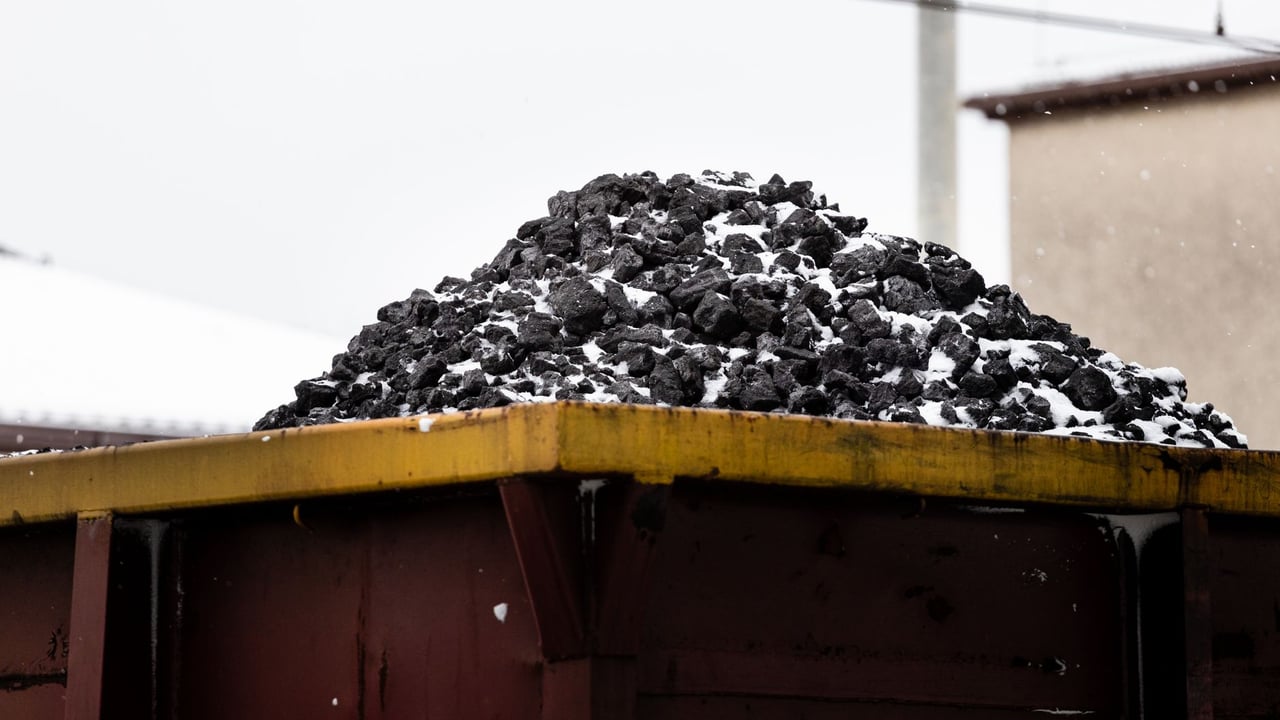
Photo by Mateusz Feliksik on Pexels
The Brief
Prices of major industrial production materials in China showed mixed performance in early August 2026, with downward pressure dominating across most categories. According to data monitored by the National Bureau of Statistics and industry tracker Zhuochuang Information, 31 out of 50 key commodities across nine major categories declined compared to late July, while 12 increased and seven held flat. Ferrous metals faced across-the-board decreases, whereas major non-ferrous metals including electrolytic copper and aluminum ingots posted gains.
Why it matters
Circulation-level production material prices serve as a critical high-frequency indicator of upstream industrial supply and demand. Price swings directly affect industrial input costs, corporate profit margins, and downstream manufacturing expectations across heavy industry and construction.
China context
The broad softening in steel and ferrous products reflects subdued seasonal activity and persistent demand adjustments in domestic infrastructure and real estate sectors. In contrast, resilience in key non-ferrous metals such as copper and aluminum aligns with sustained demand from advanced manufacturing, power grid investments, and broader global supply dynamics.
Editor's View
EDITOR'S VIEW — Analysis and inference, not factual reporting.
The early August data underlines the uneven recovery across China's industrial base. While raw material relief benefits downstream manufacturers facing margin compression, the continued slide in construction-heavy ferrous metals points to a cautious procurement environment heading into the traditional autumn peak season.
What to watch
- Whether ferrous metal prices stabilize ahead of the traditional September-October construction and manufacturing peak season.
- The downstream margin impact on precision manufacturing and power equipment producers as copper and aluminum costs climb.
- Mid-to-late August price developments in energy and petrochemical feedstocks across major domestic commodity exchanges.
Key Takeaways
- 1Of 50 monitored production goods across nine categories, 31 dropped in price, 12 rose, and seven remained unchanged in early August 2026.
- 2All listed ferrous metals declined, with rebar dropping 1.9% to 3,062.7 yuan per ton and wire rod falling 1.5% to 3,244.5 yuan per ton.
- 3Non-ferrous metals saw notable strength in copper (+1.7% to 107,498.3 yuan/ton) and aluminum ingots (+2.2% to 23,773.3 yuan/ton).
Prices for key industrial production materials in China's circulation domain leaned downward in early August 2026, reflecting diverging momentum between construction-linked commodities and select non-ferrous metals.
According to price monitoring conducted across nine major categories and 50 key production goods by the China Statistics Information Service Center and commodities consultancy Zhuochuang Information, 31 products registered price drops compared with late July. Twelve commodities recorded gains, while seven remained unchanged from the preceding ten-day monitoring period.
Ferrous metals saw consistent declines across all monitored product lines. Rebar prices fell 1.9 percent, or 60.7 yuan per metric ton, to 3,062.7 yuan. Wire rod slipped 1.5 percent to 3,244.5 yuan per ton, while hot-rolled sheet and coil decreased 1.4 percent to 3,241.1 yuan per ton. Angle steel, seamless steel pipe, and medium plate also posted moderate declines ranging from 0.3 percent to 0.7 percent, pointing to cautious procurement by downstream construction and fabrication enterprises amid summer weather disruptions.
In contrast, key non-ferrous metals experienced upward price movement. Electrolytic copper rose 1.7 percent, gaining 1,803.9 yuan to reach 107,498.3 yuan per ton. Aluminum ingots advanced 2.2 percent to 23,773.3 yuan per ton, adding 503.3 yuan. Other non-ferrous materials showed mixed outcomes, with lead ingots edging down 0.7 percent to 15,462.5 yuan per ton and zinc ingots standing at 25,374.2 yuan per ton.
The divergence between weakened steel prices and firmer copper and aluminum quotes illustrates contrasting demand fundamentals. While infrastructure and construction materials face inventory overhangs and subdued seasonal building activity, non-ferrous metals continue to draw support from industrial electrification, high-end equipment manufacturing, and tight global raw material supplies.
Sources
- var title1 = '2026年8月上旬流通领域重要生产资料市场价格变动情况'; var title2 = ''; var title3 = ''; if (title1.length > 0 && title2.length > 0 && title3.length > 0) { document.write( '2026年8月上旬流通领域重要生产资料市场价格变动情况</br></br>' ); } else if (title1.length > 0 && title2.length > 0) { document.write( '2026年8月上旬流通领域重要生产资料市场价格变动情况</br>' ); } else { document.write('2026年8月上旬流通领域重要生产资料市场价格变动情况'); } — National Bureau of Statistics · 8/14/2026