
Business & IndustryAnalysis
China Logistics Index Rises to 50.9% in August as Activity Expands
Factory demand and consumer trade-in policies helped lift eight out of twelve operational sub-indices, according to industry data.
Share
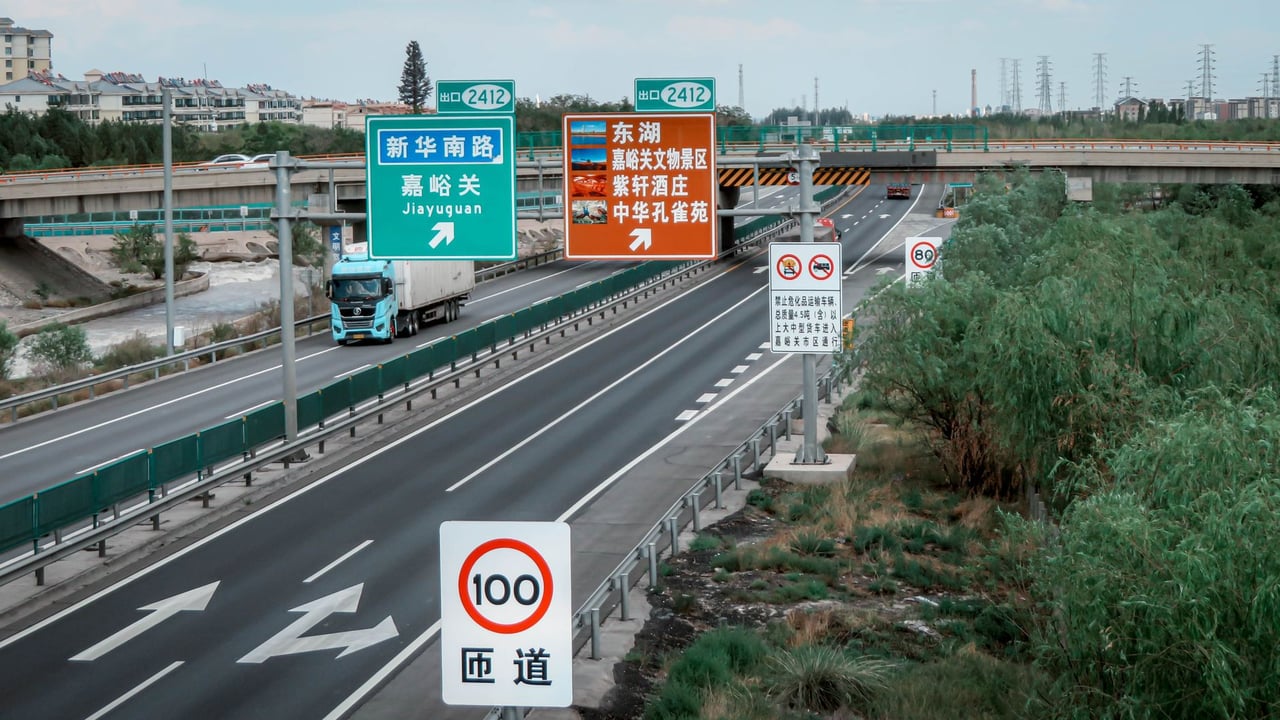
Photo by BI ravencrow on Pexels
The Brief
China's logistics prosperity index rose to 50.9% in August, gaining 0.5 percentage points from the prior month and accelerating its expansion, according to data from the China Federation of Logistics and Purchasing reported by state media. Eight of the twelve tracked sub-indices improved month-on-month, with total business volume, new orders, and employment extending multi-month expansions. The rebound was supported by steady manufacturing demand in sectors such as automotive and electronics, alongside consumer goods distribution fueled by summer spending, back-to-school purchasing, and state-backed trade-in incentives.
Why it matters
Logistics serves as a real-time barometer for overall physical economic activity. A firming expansion across eastern, central, and western China suggests that industrial and consumer goods are flowing more steadily through domestic supply chains, providing tangible evidence of stabilizing downstream demand.
China context
The data reflects the early operational impact of Beijing's nationwide initiative to encourage large-scale equipment upgrades and consumer goods trade-ins. Combined with seasonal back-to-school and summer travel consumption, these support measures have generated measurable transport and delivery volume across electronics, household furnishings, and industrial components.
Editor's View
EDITOR'S VIEW — Analysis and inference, not factual reporting.
The August logistics uptick offers encouraging evidence of cross-regional integration, with eastern, central, and western hubs sharing in the volume rebound. However, questions remain regarding pricing power and profit margins within logistics firms, as index data demonstrates physical volume growth rather than profitability. Whether this momentum can carry through the peak autumn shipping season will depend on the durability of retail demand once seasonal back-to-school purchases subside.
What to watch
- Whether shipping momentum holds during the traditional peak manufacturing and retail season in September and October
- Sustained order volumes in consumer durables like automobiles and home appliances under trade-in programs
- Subsequent trends in logistics enterprise cost pressures and service pricing indicators
Key Takeaways
- 1The China Logistics Prosperity Index rose 0.5 percentage points to 50.9% in August, remaining in expansion.
- 2Eight of twelve operational sub-indices improved, with business volume, new orders, and employment continuing multi-month expansions.
- 3Logistics demand rose in electrical machinery, pharmaceuticals, automotive, and electronic components manufacturing.
- 4Consumer logistics grew on back-to-school shopping and trade-in policies, with select e-commerce categories rising over 10% month-on-month.
- 5Indices tracking logistics fixed-asset investment and market expectations both stayed in expansionary territory.
China's logistics activity accelerated in August, with the headline logistics prosperity index climbing 0.5 percentage points from July to 50.9%, according to data released by the China Federation of Logistics and Purchasing and published by CCTV.
The reading kept the country's logistics sector in expansionary territory above the 50-point mark for another month. Operational performance broadened during the period, with eight of the 12 tracked sub-indices rising on a month-on-month basis. Core leading measures—specifically total business volume, new orders, and employment—each extended multi-month streaks within the expansion zone.
Geographically, business volume expanded in a relatively balanced manner across eastern, central, and western China. Industry observers noted that this regional coordination reflects tightening supply chain connectivity between interior manufacturing hubs and coastal consumption centers.
Industrial shipments provided key momentum. Logistics demand strengthened across several major manufacturing segments, including electrical machinery, pharmaceuticals, automotive and auto parts manufacturing, and electronic components, aligning with modest improvements across the broader factory sector.
At the same time, consumer-facing logistics sustained robust growth. A convergence of summer vacation demand, the back-to-school shopping season, and ongoing national "trade-in" consumer replacement policies lifted orders for 3C electronics, home furnishings, and stationery goods. According to surveyed e-commerce platforms, order volumes for smart learning devices, creative cultural merchandise, and educational goods rose by more than 10% month-on-month.
Business sentiment across the sector also showed resilience entering the second half of the year. Sub-indices tracking logistics fixed-asset investment and future market expectations both remained firmly in expansion territory, indicating continued operational outlays as transport operators prepare for autumn demand.
Sources
- 我国物流业景气水平进一步提升 — State Council of China · 9/6/2026