
Business & IndustryAnalysis
China Reports Progress in Green Energy Transition as Solar Capacity Grows
State media highlights low-carbon progress, underscoring the growing need for grid stability and energy storage support.
Share
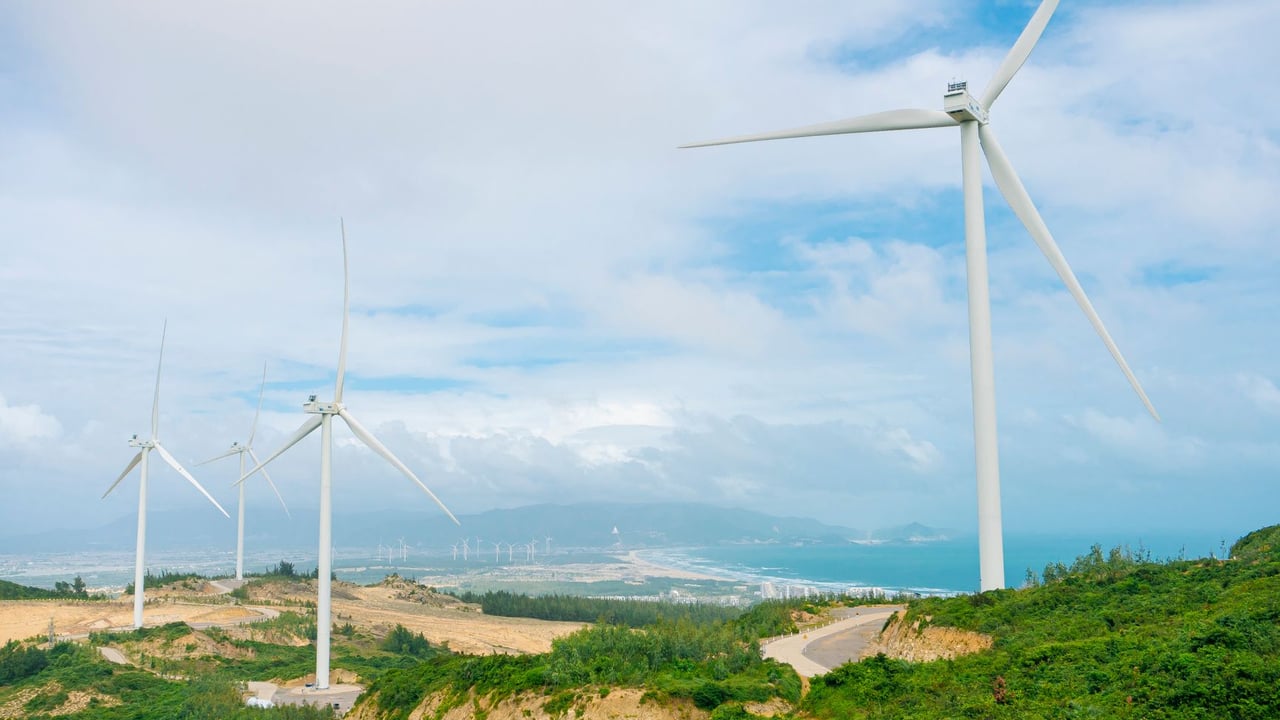
Photo by Toàn Đỗ Công on Pexels
The Brief
Official Chinese state media reports that China has achieved key progress in its green and low-carbon energy transition, driven by the rapid scaling of renewable generation. As solar photovoltaic installations rise to become a dominant category of power capacity, the milestone reflects years of sustained industrial and infrastructural investment. However, expanding renewable capacity also places heightened technical demands on power grid stability, clean energy absorption, and the coordinated deployment of energy storage and flexible baseload generation across regional networks.
Why it matters
The rise of solar power into a primary capacity tier marks a turning point in China's energy transition, increasing the urgency for enhanced grid flexibility, energy storage deployment, and coordinated power market mechanisms to avoid curtailment.
China context
China is balancing energy security with decarbonization commitments, expanding wind and solar capacity while maintaining coal-fired generation as a flexible backstop to ensure electrical grid reliability.
Editor's View
EDITOR'S VIEW — Analysis and inference, not factual reporting.
China's renewable transition is moving beyond the phase of simply adding headline capacity. The true measure of progress now lies in grid absorption efficiency and flexibility economics. As solar reaches scale, the pressure shifts to power market design, battery storage economics, and coal plant retrofit financing to ensure the system remains resilient without reverting to high-emission baseload reliance during supply crunches.
What to watch
- Upcoming operational data and renewable curtailment rates released by the National Energy Administration.
- The rollout of policy incentives and progress milestones for novel energy storage and thermal power flexibility retrofits.
Key Takeaways
- 1Official coverage by People's Daily reported significant progress in China's green and low-carbon energy transition.
- 2Solar photovoltaic capacity has grown into a dominant power generation category across the national grid.
- 3The intermittent nature of solar power has intensified demands on clean energy consumption and grid balancing.
- 4Policy directives continue to emphasize energy storage expansion and coal flexibility retrofits to maintain supply security.
China's ongoing shift toward low-carbon power has reached a notable milestone, with official coverage by People's Daily highlighting significant progress in green energy transformation under its regular economic review series. According to the report, the sustained buildout of non-fossil resources, particularly solar photovoltaic generation, represents a critical step in rebalancing the country's overall installed power mix. The sector's expansion reflects extensive domestic manufacturing capacity and state-backed grid investment designed to accelerate clean electricity supply.
The rapid scaling of renewable installations brings both structural achievements and operational complexities for national energy infrastructure. While the rise of solar power underscores China's broader timeline for carbon peak and carbon neutrality targets, the intermittent nature of weather-dependent generation introduces acute integration challenges. Grid operators face mounting requirements to prevent curtailment, maintain steady frequency, and ensure uninterrupted power supply to key industrial and urban consumption centers during periods of shifting weather.
To manage these operational pressures, sector planners are focusing on flexibility mechanisms and grid modernization. Absorbing massive volumes of solar electricity necessitates rapid expansion of modern energy storage assets, including battery projects and pumped-storage hydropower facilities. At the same time, central energy authorities continue to emphasize the complementary function of existing coal-fired power plants. Rather than phasing them out prematurely, regulators are advancing deep-peak flexibility retrofits, allowing thermal units to serve as a backstop reserve that ramps up when solar generation declines.
The overall approach reflects Beijing's dual mandate of maintaining energy security and economic reliability alongside decarbonization goals. Official statements underscore that the construction of a new power system must proceed in an orderly manner, coordinating renewable construction with transmission line capacity, cross-regional power trading, and regulatory pricing mechanisms. As renewable capacity continues to rise, the focus of the transition is shifting from raw capacity installation toward system integration and balancing efficiency.
Sources
- 能源绿色低碳转型取得重要进展(经济新方位) — China News Service · 9/6/2026