
Defense & StrategyAnalysis
China Military Media Reaffirms Equal Enforcement of PLA Discipline
Official commentary stresses no exceptions for senior cadres in ongoing political army building drive.
Share
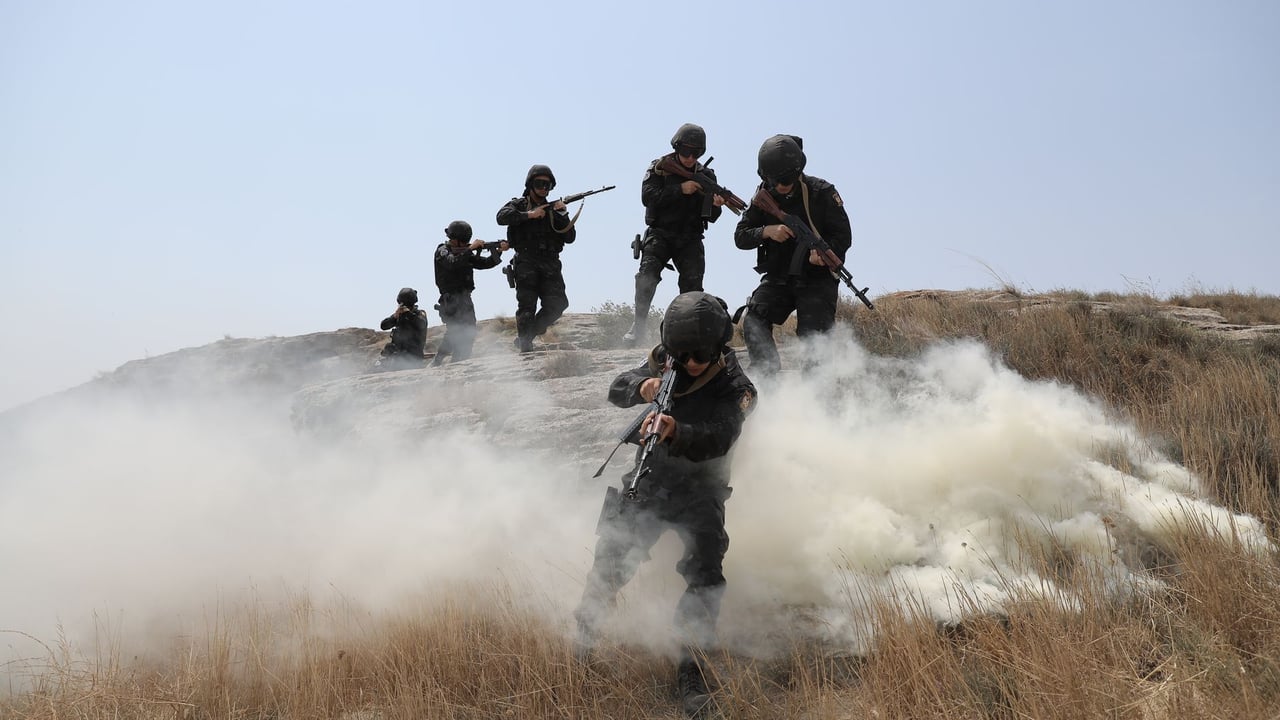
Photo by Tahir Xəlfəquliyev on Pexels
The Brief
An official commentary published by China Military Online has reaffirmed the armed forces' strict stance against internal privilege, asserting that no officer or Party member is exempt from military regulations and state laws. Citing an address by President Xi Jinping to senior military cadres, the commentary emphasized that enforcing discipline without exception is vital for political army building and institutional self-revolution. The piece linked contemporary anti-corruption efforts to historical revolutionary traditions and governance theory, signaling continued zero-tolerance enforcement across the defense establishment.
Why it matters
The commentary highlights official messaging regarding military discipline and governance within the People's Liberation Army. It reinforces the leadership's focus on political alignment, institutional purity, and anti-corruption across senior ranks, offering insight into internal priorities for defense management.
China context
In Chinese defense strategy, political military building and the concept of self-revolution are foundational principles used to consolidate the Party's absolute leadership over the armed forces. Eradicating special privileges among high-ranking officers is officially framed as crucial for preventing systemic decline and maintaining operational integrity.
Editor's View
EDITOR'S VIEW — Analysis and inference, not factual reporting.
The published commentary functions as a explicit ideological signal to senior officers across all service branches. By embedding contemporary enforcement efforts within both early revolutionary history and theoretical frameworks regarding state longevity, Chinese state media emphasizes that disciplinary oversight within the military remain an active, enduring focus for top leadership.
What to watch
- Implementation of specialized political training and disciplinary study sessions across high-level military commands.
- Potential updates or refinements to supervisory mechanisms and legal regulations within the defense system.
- Official reporting on institutional oversight and conduct evaluations targeting senior PLA leadership.
Key Takeaways
- 1China Military Online published a commentary emphasizing equal enforcement of rules across all military ranks.
- 2The text cited President Xi Jinping's speech urging senior cadres to adhere strictly to regulations without exception.
- 3Contemporary anti-corruption drives were framed alongside historical revolutionary traditions and the principle of self-revolution.
- 4State media reiterated that removing special privileges is essential to maintaining political purity and command integrity.
A commentary published by China Military Online, an official media outlet of the Chinese armed forces, underscored the Central Military Commission's policy of strict governance and non-exception in enforcing Party discipline and state laws across the People's Liberation Army. The text asserted that no individual, regardless of rank or historical standing, remains immune from legal and regulatory oversight.
According to the article, President Xi Jinping outlined these principles during an address on April 8 at the opening ceremony of a training class targeting high-ranking military cadres. Xi called on senior officers to understand military regulations, respect discipline, and observe institutional rules without seeking special status or expecting exceptions. China Military Online presented this direction as part of a sustained commitment to eradicate privileged thinking and practices from the armed forces.
The publication highlighted the historical continuity of discipline within the military, citing traditions of shared hardship from the early revolutionary period, including Red Army practices in Jinggangshan and Yan'an. It connected these historical narratives to contemporary governance concepts, referencing the classic question regarding dynastic decline posed by Huang Yanpei to Mao Zedong in 1945. Whereas Mao identified public supervision as the key to avoiding institutional decay, the commentary emphasized Xi's framework of self-revolution as a second definitive mechanism focused on internal discipline.
To underscore the leadership's resolve, the commentary referenced high-profile anti-corruption actions against senior military figures. It framed these enforcement measures as proof that no official possesses an exemption from accountability, describing the anti-corruption drive as an ongoing, zero-tolerance endeavor aimed at maintaining political purity and systemic stability.
Ultimately, the article concluded that removing unchecked privilege is critical to sustaining the Party's absolute leadership over the military. It reiterated that strict enforcement of regulations across the defense establishment serves as a primary requirement for advancing the overarching goal of political army building.
Sources
- 政治建军专刊·淬火要论丨没有不受约束的特殊人 - 中国军网 — China Military Online · 8/3/2026