
Business & IndustryAnalysis
China Moderates Crude Buying Amid Strait of Hormuz Supply Disruption
As global energy markets face supply strains, the world's largest oil importer avoids panic purchases, acting as a market buffer.
Share
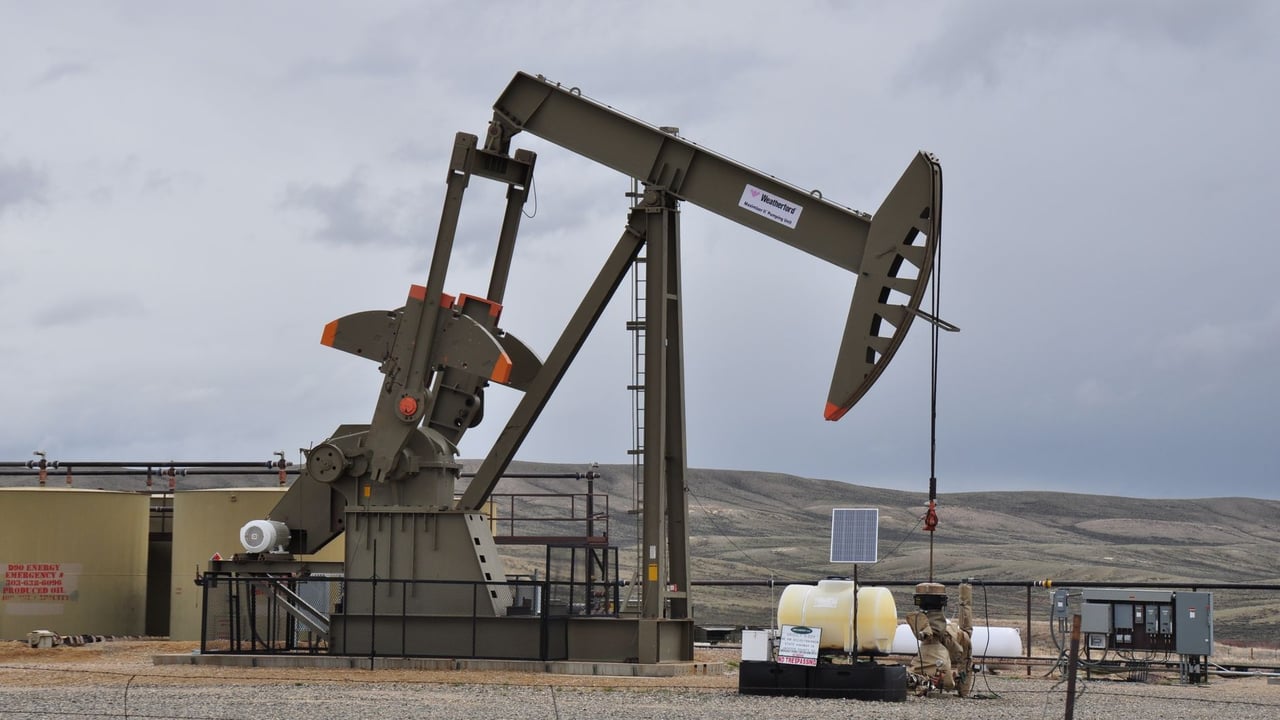
Photo by Tom Fournier on Pexels
The Brief
Following shipping disruptions in the Strait of Hormuz that spurred widespread crude hoarding, China has reportedly refrained from aggressive spot market purchases. According to an economic analysis by China News Service, the world's top crude importer has moderated its procurement pace rather than engaging in panic buying, positioning its demand as an unexpected stabilizing force in international energy markets. While supply risks linked to regional tensions remain unresolved, market observers note that Beijing's measured intake could help cushion marginal demand pressure and temper benchmark price volatility.
Why it matters
The Strait of Hormuz serves as a vital chokepoint for global oil transit. With geopolitical tensions threatening maritime passage, procurement decisions by China—the world's largest crude importer—directly influence marginal demand, international benchmark pricing, and global inflationary expectations across energy supply chains.
China context
Amid concerns over navigation through the Strait of Hormuz, Chinese buyers have adjusted their import cadence rather than competing in high-priced spot markets. State-affiliated commentary highlighted this disciplined approach as a stabilizing factor for global energy sentiment, contrasting Beijing's composure with panic-driven buying observed in other regions.
Editor's View
EDITOR'S VIEW — Analysis and inference, not factual reporting.
China's decision to avoid panic buying during acute geopolitical flare-ups reflects a strategic calculation that relies on domestic inventories and diversified overland supplies. By pacing purchases when freight rates and spot premiums surge, Chinese refiners minimize exposure to peak prices. However, if transit disruptions along Persian Gulf routes extend into the medium term, commercial necessity may eventually test Beijing's reserve buffers and force a return to active overseas bidding.
What to watch
- Upcoming monthly crude import statistics from China's General Administration of Customs, detailing shifts in origin countries.
- Developments in regional tensions involving the U.S., Israel, and Iran, alongside tangible progress on reopening the Strait of Hormuz.
- Updated supply-demand deficit forecasts from the International Energy Agency and other major energy forecasters.
Key Takeaways
- 1China has refrained from panic crude purchases despite global market anxiety caused by Strait of Hormuz transit disruptions.
- 2State-affiliated media characterized China's moderated import pace as a stabilizing anchor that eases marginal demand pressure.
- 3Strategic and commercial reserves, along with pipeline supplies, provide China with short-term insulation against spot market price spikes.
- 4Prolonged maritime closure in the Persian Gulf could eventually test Beijing's inventory buffers and force renewed spot buying.
A surge in geopolitical instability surrounding the Strait of Hormuz has rattled global energy markets, triggering concerns over maritime security and prompting widespread hoarding among international buyers. Yet China, the world's largest crude oil importer, has adopted a visibly restrained purchasing strategy, according to an economic commentary published by China News Service. Rather than joining a rush for spot cargoes, Beijing has maintained a measured import cadence, serving as a buffer against escalating price volatility.
The Strait of Hormuz represents one of the most critical conduits for global petroleum flows, handling a substantial portion of seaborne oil shipments bound for Asian and European refineries. Recent disruptions to transit have stoked acute market anxiety, raising benchmark prices and prompting fears of broader inflationary pressure. Under standard commercial incentives during supply scares, major consumers often scramble to secure discretionary barrels, compounding upward price spikes.
However, Chinese refiners and trading entities have largely refrained from emergency spot purchases. Domestic commentary framed this stance as an intentional stabilizing anchor for international energy trade, noting that avoiding panic-driven procurement limits unnecessary market froth. Observers suggest that China's domestic commercial and strategic reserves, coupled with diversified pipeline inflows from inland partners, have afforded the country sufficient breathing room to bypass peak premiums in the immediate term.
Foreign energy market participants have similarly watched Beijing's posture closely. Given the scale of China's baseline demand, an aggressive pivot into spot tenders would have exacerbated supply deficits and amplified freight rate spikes. By absorbing current requirements through existing stock draws or pre-committed contract volumes, China has effectively cooled marginal demand pressure on international benchmarks.
Nevertheless, significant uncertainties persist. The sustainability of this stabilizing role depends heavily on the duration of shipping impediments in the Persian Gulf. If tensions between the United States, Israel, and Iran continue to constrain tanker traffic through the Strait of Hormuz, Beijing's domestic buffers could thin, eventually requiring renewed market engagement under structurally tighter supply conditions.
Sources
- (经济观察)全球最大原油进口国“临危不抢” 中国抛下“稳定锚” — China News Service · 8/29/2026