
Policy & RegulationAnalysis
China Rejects US Claims on Economic Imbalance and Overcapacity at G20
The Ministry of Commerce warned that invoking multilateral platforms to pressure Beijing undermines global supply chains and economic stability.
Share
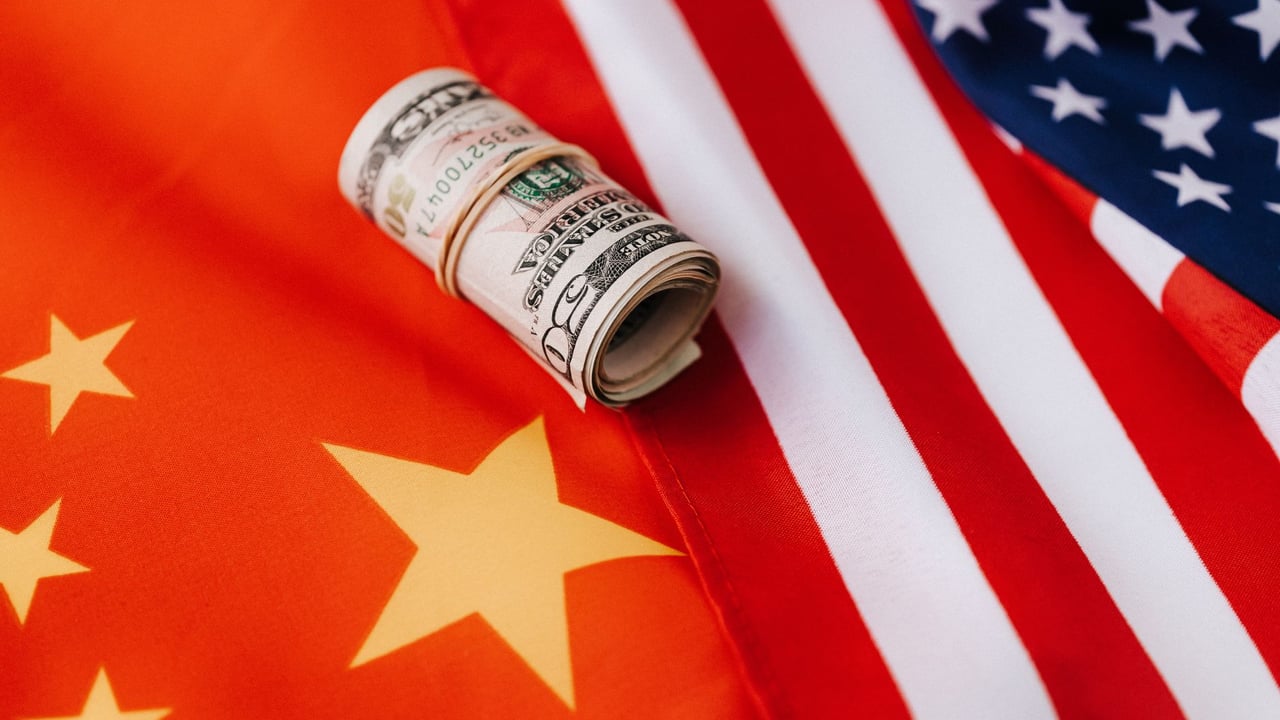
Photo by https://kaboompics.com/ on Pexels
The Brief
China has firmly rejected efforts by the United States to raise allegations of "economic imbalances" and "overcapacity" within multilateral frameworks such as the G20. Speaking at a regular press conference in Beijing, Ministry of Commerce spokesperson Huang Ling criticized recent remarks by US Treasury Secretary Scott Bessent, describing Washington's narrative as an excuse to pursue protectionism and impose unilateral restrictions on China. Huang warned that such rhetoric disrupts international economic order and urged member states to preserve multilateralism and supply chain stability.
Why it matters
The dispute highlights how bilateral trade frictions between Beijing and Washington are increasingly spilling into multilateral economic forums like the G20. US efforts to build international consensus around Chinese industrial policy and macroeconomic imbalances risk complicating cross-border policy coordination and escalating disputes over tariffs, export restrictions, and global supply chain resilience.
China context
Beijing consistently frames Western criticism of its manufacturing output and trade surplus as disguised protectionism designed to contain China's industrial modernization. By reiterating its commitment to multilateralism, openness, and supply chain continuity, the Ministry of Commerce seeks to position China as a defender of global trade rules while countering US-led efforts to coordinate trade measures against Chinese exports.
Editor's View
EDITOR'S VIEW — Analysis and inference, not factual reporting.
Washington's strategy of highlighting trade imbalances at the G20 aims to draw broader international backing beyond traditional Western allies, pointing to the macroeconomic spillovers of China's export-oriented manufacturing. Beijing's sharp response reflects acute sensitivity to any multilateral consensus that could validate collective trade defenses. As future international summits approach, the contest over whether to define global economic friction as a product of Chinese overcapacity or US unilateral protectionism will remain a primary diplomatic battleground.
What to watch
- Whether language referencing economic imbalances or industrial overcapacity appears in upcoming G20 ministerial communiqués or leaders' declarations.
- Potential regulatory, tariff, or trade restriction announcements from the US Treasury or Commerce departments targeting Chinese manufactured goods.
- How other G20 members, particularly in Europe and emerging markets, align their positions regarding industrial overcapacity and supply chain security.
Key Takeaways
- 1China's Ministry of Commerce rejected US claims regarding "economic imbalances" and "overcapacity" at the G20, labeling them protectionist pretexts.
- 2Spokesperson Huang Ling responded directly to recent comments made by US Treasury Secretary Scott Bessent during a briefing in Beijing.
- 3Beijing warned that using multilateral platforms to pressure China disrupts global economic order and harms supply chain stability.
- 4The ministry called on international partners to adhere to multilateralism, strengthen policy coordination, and preserve open global markets.
China's Ministry of Commerce has voiced strong opposition to the United States raising allegations of "economic imbalances" and industrial "overcapacity" within multilateral bodies like the Group of 20 (G20), characterizing the practice as a pretext for trade protectionism.
Speaking at a regular press briefing in Beijing on September 3, Ministry of Commerce spokesperson Huang Ling addressed recent China-related statements made by US Treasury Secretary Scott Bessent. According to reports carried by Xinhua News Agency, Huang asserted that using the G20 and other multilateral venues to promote narratives of structural imbalances is essentially an attempt to pursue protectionism and fabricate justifications for applying economic pressure and trade restrictions against China.
Huang emphasized that Beijing firmly opposes such actions, warning that introducing bilateral geopolitical tensions into multilateral settings risks destabilizing the international trade environment and inflicting damage on global economic recovery. Chinese officials maintained that multilateral institutions should serve as platforms for cooperative policy dialogue rather than arenas for unilateral confrontation.
Addressing G20 participants and the wider international community, Huang urged member economies to uphold multilateralism, enhance cross-border policy communication and coordination, and expand open economic cooperation. The spokesperson stated that governments should work collaboratively to safeguard the stability and smooth flow of global industrial and supply chains in pursuit of mutual benefit, rather than fragmenting commerce through unilateral barriers.
The exchange reflects continuing friction between Beijing and Washington over manufacturing capacity, macroeconomic policy, and trade surpluses. While US officials have repeatedly argued that Chinese state support produces export volumes that distort international markets, Beijing contends that its industrial competitiveness is market-driven and that US criticisms represent protectionist efforts aimed at curbing China's economic development.
Sources
- 商务部回应美利用G20炒作所谓“经济失衡”论调--经济·科技--人民网 — People's Daily · 9/3/2026
- 商务部回应美利用G20炒作所谓“经济失衡”论调 — NetEase · 9/3/2026