
Policy & RegulationAnalysis
China Standardizes Medical Testing Fees Under National Pricing Framework
The National Healthcare Security Administration completes its 40-batch pricing overhaul, establishing unified rules for diagnostic lab tests.
Share
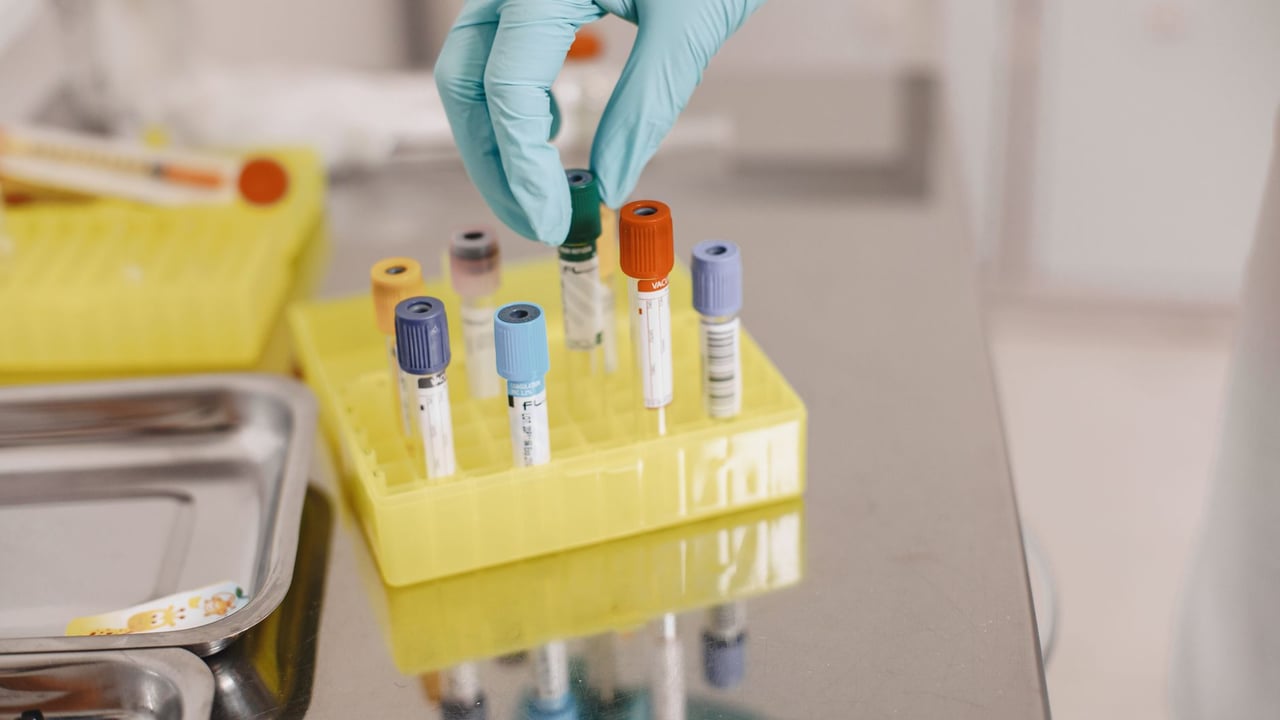
Photo by Gustavo Fring on Pexels
The Brief
China's National Healthcare Security Administration (NHSA) has released trial pricing guidelines for clinical laboratory tests, marking the completion of its 40-batch nationwide medical service pricing overhaul. Covering clinical tests, molecular diagnostics, biochemistry, and blood transfusions across 662 core items, the framework introduces standardized add-ons, tiered discounts for bundled tests, and fee reductions for missing digital records. The standardized pricing structure aims to eliminate redundant testing, promote cross-hospital result recognition, and regulate China's 130-billion-yuan in vitro diagnostics market.
Why it matters
A unified pricing baseline removes institutional hurdles to mutual recognition of diagnostic test results across hospitals and provinces. It lowers financial burdens on patients by penalizing redundant tests and mandating tiered package discounts, while establishing the final foundation for a nationwide medical pricing standard.
China context
Under China's ongoing healthcare reform, the NHSA has sought to establish a single national standard for medical service pricing. This initiative curbs inflated hospital charges, aligns regional pricing disparities, encourages digital health data integration, and provides clear pricing channels for clinical technological innovations.
Editor's View
EDITOR'S VIEW — Analysis and inference, not factual reporting.
By finalizing all 40 batches of medical service pricing guidelines, the NHSA shifts hospitals away from exploiting methodology-based price markups toward standardized outcome-based pricing. The introduction of mechanisms like discounted joint testing and fee reductions for missing digital records directly targets long-standing hospital revenue drivers, namely over-testing and fragmented health records. However, the ultimate efficacy hinges on how aggressively provincial healthcare bureaus implement localized price adjustments without straining hospital operational revenues.
What to watch
- Timeline and price adjustment schedules released by provincial healthcare security bureaus
- Hospital execution of joint-test tiered discounts and mutual recognition of diagnostic lab results
- Market impacts on IVD reagent manufacturers and hospital procurement pricing structures
Key Takeaways
- 1NHSA released trial pricing guidelines for clinical laboratory tests covering 662 core items, 114 add-ons, and seven extensions.
- 2The publication marks the completion of the NHSA's 40-batch national medical service pricing item framework.
- 3The reform addresses China's in vitro diagnostics market, which reached approximately 130 billion yuan in 2025.
- 4Key measures include outcome-oriented pricing, tiered discounts for bundled panels, price penalties for missing digital records, and support for cross-hospital test recognition.
China's National Healthcare Security Administration (NHSA) has formally issued trial pricing guidelines for clinical laboratory testing, marking the completion of a nationwide initiative to standardize medical service fees across 40 distinct clinical categories, according to a report by People's Daily.
The newly released guidelines cover major testing domains, including clinical laboratory examinations, blood transfusion and typing, microbiology and parasitology, molecular diagnostics, biochemistry, and immunology. In total, the document outlines 662 core pricing items, 114 add-on items, and seven extended items, creating a unified classification system for medical testing costs across China.
Diagnostic testing serves as an essential foundation for clinical diagnosis, efficacy monitoring, and prognostic evaluation. Driven by expanding medical demand and continuous technological advancement, China's in vitro diagnostic (IVD) reagent market reached approximately 130 billion yuan ($18 billion) in 2025, representing a critical segment of the country's broader pharmaceutical and healthcare sector, an NHSA official noted.
To address long-standing discrepancies in how hospitals bill for tests, the guidelines emphasize service-outcome-oriented pricing rather than pricing based solely on differing testing methodologies. The framework establishes standardized add-on charges to reflect high-quality care, unifies billing units, and formally institutes tiered discounts for bundled or joint testing panels to reduce the financial burden of redundant tests on patients.
Additionally, the policy incorporates incentives for digital healthcare development by mandating price deductions for tests with missing or incomplete digital records, while simultaneously creating standardized categories to support new, innovative diagnostic techniques. NHSA officials stated that the agency will now guide provincial healthcare security authorities to calibrate local prices based on the 40 guidelines, aiming to achieve balanced regional pricing and consistent healthcare billing nationwide.
Sources
- 国家医保局发布检验类立项指南,覆盖临床检验、输血与血型等板块 — NetEase · 8/15/2026
- 医疗检验收费迎来全国“一把尺” --经济·科技--人民网 — People's Daily · 8/15/2026