
Business & IndustryAnalysis
Pinglu Canal Completes First Trial Voyage for Foreign Trade Cargo Vessel
A full-factor navigation drill tests channel conditions and customs procedures along southwestern China's new inland-to-sea waterway.
Share
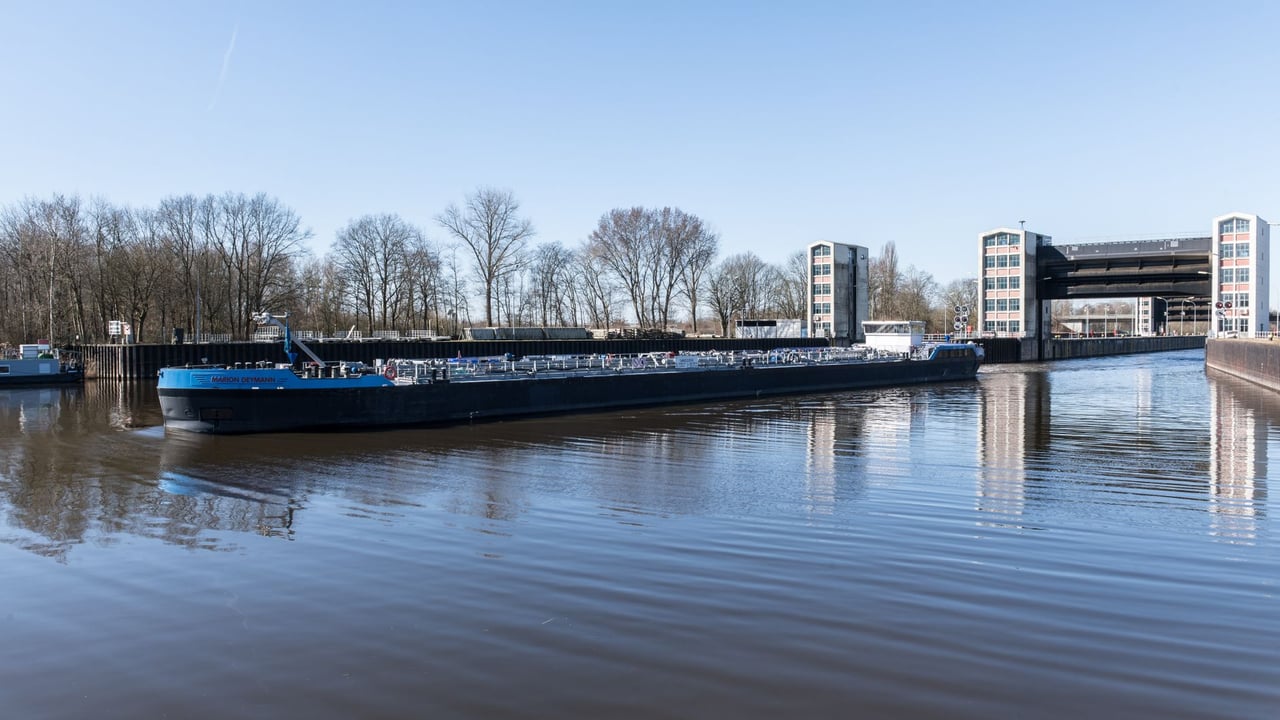
Photo by Wolfgang Weiser on Pexels
The Brief
The Pinglu Canal has conducted its first comprehensive navigation drill involving a foreign trade cargo vessel, marking an operational milestone for China's major new southwestern waterway. The test examined main-channel navigation conditions and evaluated river-sea intermodal customs supervision mechanisms for inbound and outbound shipments. As the backbone water route of the New International Land-Sea Trade Corridor, the canal is designed to provide direct maritime access for inland southwestern provinces, bypassing longer transit routes through the Pearl River Delta.
Why it matters
The successful trial of a foreign trade vessel tests both the physical navigation parameters of the canal and the operational readiness of customs clearance for river-sea intermodal transit. Establishing functional regulatory and navigational routines is essential before the waterway can handle regular bulk cargo and container flows directly between inland southwestern hubs and the Gulf of Tonkin.
China context
The Pinglu Canal represents one of China's most ambitious water infrastructure projects in decades, engineered to connect the inland Xijiang river network directly to the Beibu Gulf (Gulf of Tonkin). Historically, waterborne freight from Guangxi, Yunnan, and Guizhou had to travel eastward through Guangdong via the Pearl River system to reach international maritime routes. Once fully operational, the canal aims to redirect trade flows southward, cutting transport time and logistics costs as part of Beijing's broader New International Land-Sea Trade Corridor strategy.
Editor's View
EDITOR'S VIEW — Analysis and inference, not factual reporting.
While engineering progress on the canal has advanced steadily, commercial success will depend heavily on the efficiency of customs clearances and intermodal logistics transfers. Running an end-to-end trial with an actual foreign trade vessel signals that authorities are transitioning from purely civil engineering benchmarks to operational stress-testing. Shippers will closely watch whether local customs procedures and canal toll structures provide a genuine cost advantage over established coastal shipping corridors.
What to watch
- Technical assessment reports and official evaluations following the test voyage of the cargo vessel.
- Follow-up customs facilitation measures and clearance protocols released by Nanning Customs for river-sea intermodal transit.
- Official announcements regarding the formal opening date for full commercial operations and regular foreign trade routes.
Key Takeaways
- 1The first foreign trade vessel completed a comprehensive navigation drill along the Pinglu Canal, as reported by China News Service.
- 2The trial tested main channel navigability alongside customs supervision procedures for river-sea intermodal cargo.
- 3The canal serves as the backbone waterway for the New International Land-Sea Trade Corridor, connecting the Xijiang river basin directly to the Beibu Gulf.
A comprehensive navigation drill involving the first foreign trade vessel has concluded along the Pinglu Canal, testing key navigational conditions and regulatory workflows ahead of regular operations, according to state media outlet China News Service.
The exercise evaluated the waterway's main channel navigation capacity and examined the operational coordination required for river-sea intermodal transport. Testing focused on integrating maritime operations with customs supervision mechanisms to process foreign trade cargo moving between inland river ports and coastal waters.
The Pinglu Canal is designed as the core inland waterway component of China's New International Land-Sea Trade Corridor. Spanning southern Guangxi, the project provides a direct link between the Xijiang river system and the Beibu Gulf, aiming to dramatically shorten transit distances for goods originating in southwestern inland regions such as Guangxi, Guizhou, and Yunnan. Currently, most riverborne cargo from these areas must travel east along the Pearl River system through Guangdong before reaching coastal container ports.
During the trial, authorities assessed how vessel traffic management, lock systems, and customs oversight function simultaneously under simulated commercial shipping conditions. River-sea direct transport requires specialized regulatory protocols to ensure that international cargo remains secure while transitioning between inland waterway regimes and maritime customs oversight.
While state media reported the completion of the drill, detailed operational technicalities and full cargo transit data have yet to be disclosed. Observers and regional shippers will be tracking subsequent technical assessments of the trial run, as well as procedural guidelines from maritime authorities and Nanning Customs governing cross-border cargo clearance. Regional authorities have not yet announced the exact timetable for inaugurating scheduled, commercial-scale foreign trade sailings along the canal.
Sources
- 平陆运河船舶通航全要素综合演练首艘外贸船舶顺利完成试航 — China News Service · 9/8/2026