
Policy & RegulationAnalysis
China Revises Agriculture Law to Bolster Food Security and Rural Incomes
The updated law establishes a 14-chapter legal framework taking effect in 2027 to advance agricultural modernization.
Share
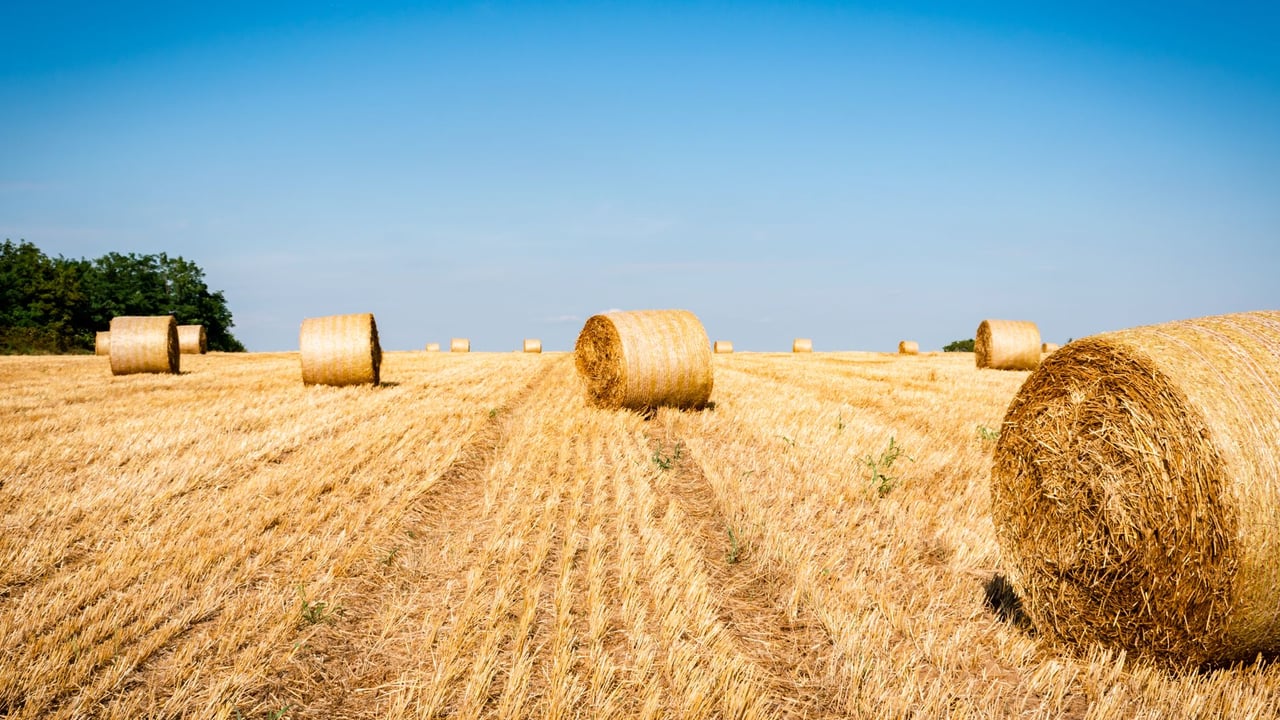
Photo by Nikolett Emmert on Pexels
The Brief
China's top legislature has adopted a newly revised Agriculture Law scheduled to take effect on January 1, 2027. Passed by the Standing Committee of the 14th National People's Congress, the comprehensive 14-chapter statute formalizes core national priorities, including safeguarding grain security, protecting farmers' legal rights, increasing rural incomes, and promoting green agricultural development. The legislation aims to narrow urban-rural development disparities and provide a firmer statutory foundation for the gradual realization of agricultural and rural modernization.
Why it matters
The Agriculture Law serves as the foundational legal framework governing China's agricultural production, resource management, and rural economy. By embedding food security, ecological sustainability, and rural income growth into binding statute, the revision aligns the legal framework with Beijing's broader rural revitalization agenda ahead of its 2027 enforcement date.
China context
Faced with evolving food supply dynamics and ongoing efforts to balance regional development, Chinese policymakers have accelerated legislative updates across the agricultural sector. The revised law addresses structural demands in rural governance by codifying support mechanisms for farmers and linking agricultural modernization directly to national economic resilience.
Editor's View
EDITOR'S VIEW — Analysis and inference, not factual reporting.
The statutory overhaul of the Agriculture Law marks an important legislative consolidation of rural economic policy. By delineating clear chapters on grain security, technology, resource conservation, and farmer protections, the law seeks to balance production targets with rural livelihood improvements, setting the baseline for subsequent ministerial regulations.
What to watch
- Release and publication of the full statutory text and official interpretive guidance by the NPC Standing Committee
- Formulation and revision of supporting administrative regulations by the Ministry of Agriculture and Rural Affairs and related agencies
- Preparatory measures, policy alignment, and compliance training leading up to the law's effective date on January 1, 2027
Key Takeaways
- 1The 14th NPC Standing Committee approved the revised Agriculture Law on August 28, with enforcement set for January 1, 2027.
- 2The statute contains 14 chapters covering food security, green development, land protection, and farmers' rights.
- 3The law establishes statutory goals to secure grain supply, raise rural incomes, and narrow urban-rural gaps.
The Standing Committee of China's 14th National People's Congress passed a newly revised Agriculture Law on August 28 during its 24th session, setting an updated legal framework for the country's rural sector that will take effect on January 1, 2027, state media reported.
The revised law comprises 14 chapters covering general provisions, the agricultural production and operation system, agricultural production, the circulation and processing of agricultural products, food security, and agricultural investment and support protections. It also includes dedicated chapters on science, technology, education, and talent; the protection of agricultural resources including land; green agricultural development; the protection of farmers' rights and interests; rural economic development; supervision and inspection; legal liability; and supplementary provisions.
According to the statutory provisions reported by Xinhua, the basic objectives of agricultural and rural economic development include improving rural economic systems to align with the socialist market economy, enhancing comprehensive agricultural production capacity, and ensuring a stable and secure supply of grain and other major agricultural products.
The legislation also establishes statutory goals to raise rural living standards, expand multi-channel employment opportunities for rural labor, narrow urban-rural and regional disparities, and promote integrated urban-rural development. In addition, it emphasizes ecological stewardship through dedicated sections on green development and resource conservation.
State media reports noted that the revised framework places a distinct emphasis on safeguarding the lawful rights and interests of farmers and promoting sustainable income growth. The legislation is designed to support the phased realization of agricultural and rural modernization over the coming years.
Sources
- 新华社权威快报丨农业法完成修订 — Xinhua News Agency · 8/28/2026
- 中国通过新修订的农业法 保障农民权益增加农民收入 — China News Service · 8/28/2026