
Business & IndustryAnalysis
China Pig Prices Rise for Two Consecutive Weeks as Market Eyes Turning Point
Recent price increases prompt debate over a potential structural shift in the domestic pork market and the impact of 2026 capacity mandates.
Share
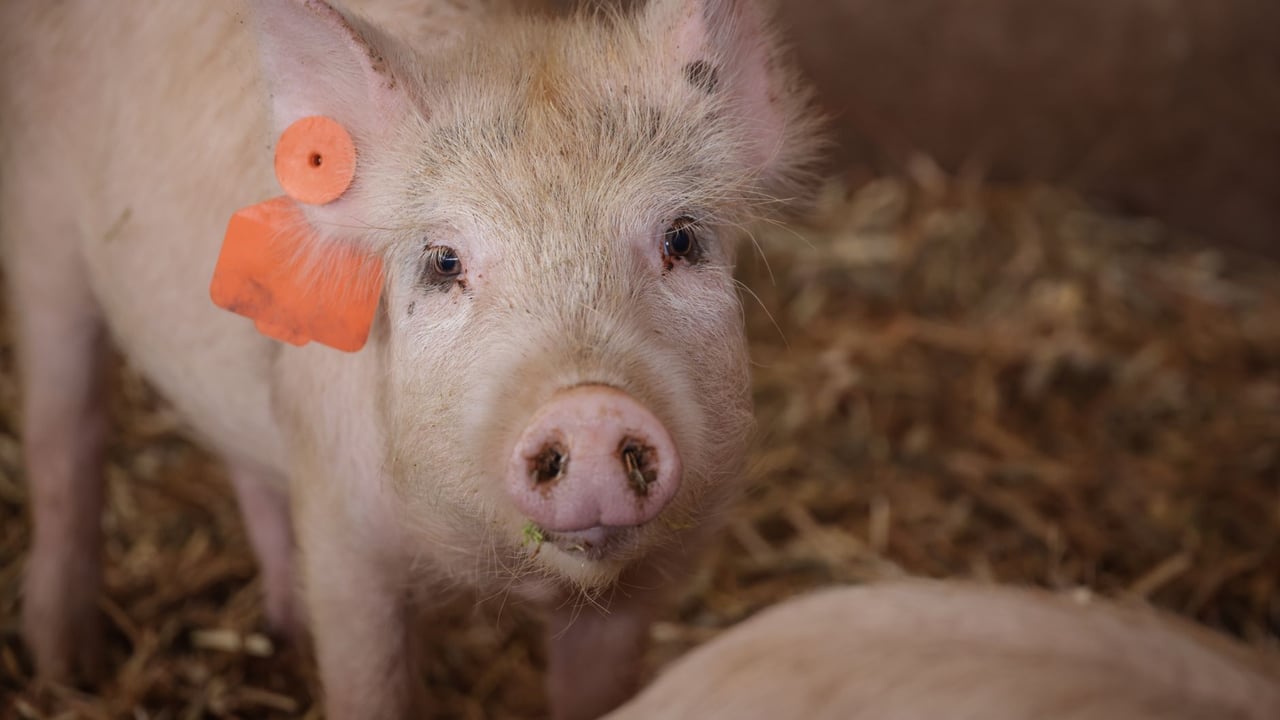
Photo by Magda Ehlers on Pexels
The Brief
Domestic pig prices in China have recorded two consecutive weeks of growth as of mid-July 2026. This upward trend has led market participants to evaluate whether the industry has reached a definitive "turning point" following periods of volatility. While the price movement suggests a tightening of supply or a shift in demand, the sustainability of this recovery remains subject to official data from the Ministry of Agriculture and Rural Affairs and potential government interventions via strategic reserves.
Why it matters
The potential arrival of a 'turning point' in pig prices suggests a shift in the supply-demand balance of China's most consumed meat, which has significant implications for inflation management and agricultural policy.
China context
Pig production is a matter of national food security in China. The government uses a combination of strategic reserves and production capacity mandates, such as the 2026 Revision, to intervene in the market and stabilize the Consumer Price Index.
Editor's View
EDITOR'S VIEW — Analysis and inference, not factual reporting.
The two-week rally is a significant indicator but must be viewed against the backdrop of the 2026 capacity revisions. While market sentiment is turning bullish, the National Development and Reform Commission (NDRC) maintains a low tolerance for rapid price spikes that could fuel inflation. If the trend accelerates too quickly, a release of strategic reserves is highly probable, which would cap the upside for producers.
What to watch
- Upcoming data releases from the Ministry of Agriculture and Rural Affairs to confirm the sustainability of the price trend.
- Official commentary from the NDRC regarding price monitoring and potential reserve interventions.
- Analysis from South China Futures and Hualian Futures on pig futures contract performance.
Key Takeaways
- 1Pig prices in China have risen for two consecutive weeks as of July 13, 2026.
- 2The price movement has sparked debate over a potential structural turning point in the market.
- 3Pork price stability is a key factor in China's national food security and inflation management.
- 4Future trends depend on Ministry of Agriculture data and potential NDRC reserve interventions.
Domestic pig prices in China have recorded two consecutive weeks of growth as of mid-July 2026. This upward trend has prompted market analysts and industry participants to question whether a significant "turning point" has arrived for the sector, which has faced prolonged periods of price volatility and supply-side adjustments.
The rise in prices comes at a critical juncture for China's agricultural sector. Pork remains the most consumed protein in the country, and its price fluctuations are a primary component of the national Consumer Price Index (CPI). Consequently, the stability of the pig market is treated as a matter of national food security. To manage this, the Chinese government utilizes a combination of strategic pork reserves and production capacity mandates. Specifically, the "2026 Revision" of production capacity targets serves as a framework for maintaining a balanced supply of breeding sows and ensuring market stability.
Market observers are currently looking to the Ministry of Agriculture and Rural Affairs (MARA) for upcoming data releases that could confirm the sustainability of this two-week trend. Furthermore, the National Development and Reform Commission (NDRC) is expected to monitor these price movements closely. If prices continue to rise at a pace deemed excessive, the NDRC may intervene by releasing frozen pork from strategic reserves to dampen inflationary pressures.
Financial analysts from firms such as South China Futures and Hualian Futures are also tracking the performance of pig futures contracts to gauge long-term sentiment. While the two-week rally suggests a potential tightening of supply or a seasonal recovery in demand, it remains uncertain whether this represents a structural shift in the market cycle or a temporary fluctuation. The industry continues to navigate the complexities of production costs and the regulatory environment established by the latest government capacity guidelines.
Sources
- 猪价连涨两周,拐点来了吗? — NetEase · 7/13/2026
- Document — Moomoo