
Business & IndustryAnalysis
Hunan Antimony Mine Deploys Robotics and Green Power in Cleanup
Centuries-old Xikuangshan automates smelting and restores vegetation coverage above 80 percent.
Share
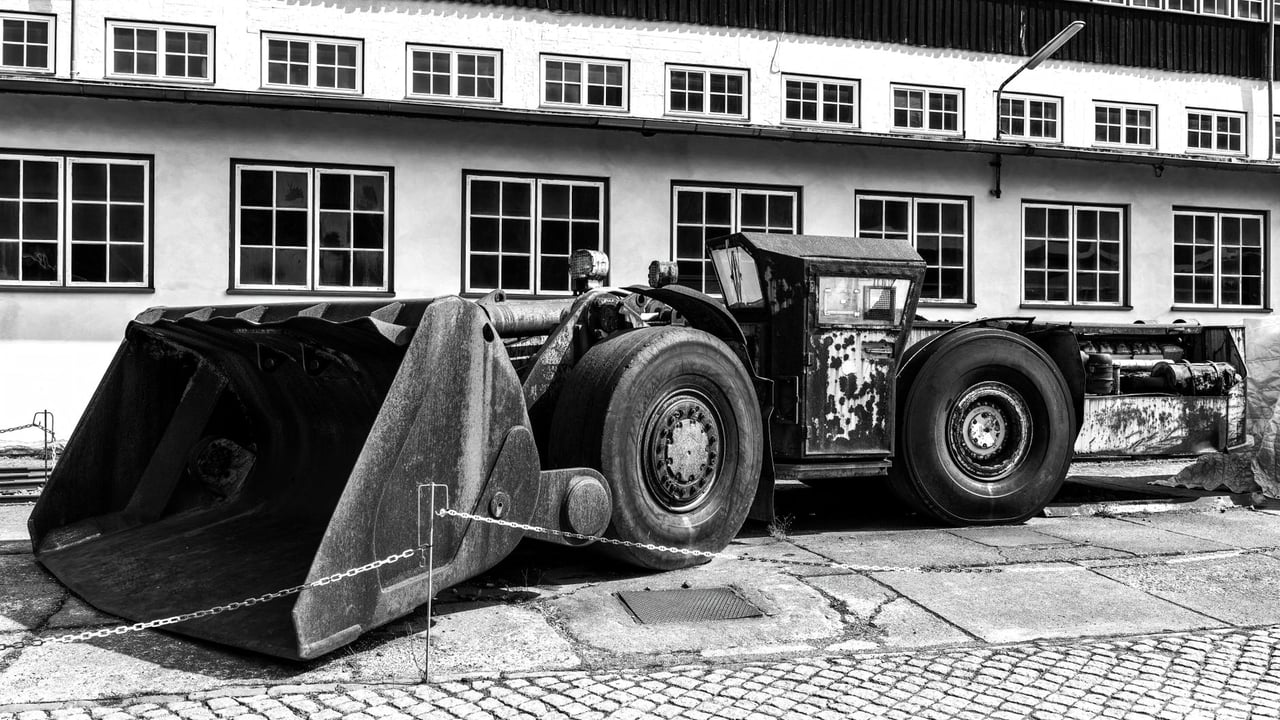
Photo by Wolfgang Weiser on Pexels
The Brief
Xikuangshan, a century-old antimony mining area in Loudi, Hunan Province, has transitioned from severe industrial degradation toward automation and ecological recovery, according to state media outlet China News Service. Robotic systems and automated lines now handle the stacking, transport, and feeding of antimony ingots, while the mining facility operates on green electricity. Once-barren slopes have achieved vegetation coverage exceeding 80 percent, turning portions of the district into local tourist attractions and demonstrating China's ongoing industrial greening initiatives.
Why it matters
Known globally as an antimony hub, Xikuangshan represents a primary case study of how legacy resource bases in China are tackling centuries of environmental damage. The integration of renewable power and robotics into non-ferrous metal smelting reflects broader regulatory and policy pushes to clean up heavy-polluting industries.
China context
Under national carbon-peaking goals and intensified ecological redline mandates, Chinese state planners and mining conglomerates have faced mounting pressure to rehabilitate severely contaminated legacy extraction zones. Modernizing non-ferrous metal hubs through automated logistics and land reclamation is central to Beijing's broader green industrial transition strategy.
Editor's View
EDITOR'S VIEW — Analysis and inference, not factual reporting.
The operational shift at Xikuangshan illustrates a consistent pattern across central China: coupling environmental rehabilitation with digital automation to keep resource-exhausted regions economically viable. By shifting heavy manual antimony processing to robotic arms and deploying green power, operators are attempting to decouple heavy metal output from toxic local footprints. However, the true test for these legacy sites lies in whether deep-seated soil and heavy metal contaminants have been neutralized over the long term, beyond surface re-greening.
What to watch
- Further operational details regarding specific emissions metrics and heavy-metal remediation across Xikuangshan's watershed.
- Official documentation clarifying the scope of any international or United Nations case study designations referenced in state media headlines.
- Additional capital expenditure plans for expanding green power and smelting robotics at Hunan antimony operations.
Key Takeaways
- 1China News Service reports that Xikuangshan in Loudi, Hunan, has automated antimony ingot feeding, transport, and palletizing using robotics.
- 2The mining complex has incorporated green power into its operations to cut industrial emissions.
- 3Vegetation coverage across previously bare mining slopes has surpassed 80 percent, converting parts of the area into public scenic attractions.
- 4The site holds historical significance as an early industrial center where roughly 1,000 workers joined the Red Army during the Long March.
Xikuangshan, a century-old mining complex located in Loudi, Hunan Province, has replaced labor-intensive antimony extraction practices with automated processing lines, green power, and extensive land reclamation, according to reports by China News Service.
Historically renowned for its extensive antimony reserves, the district was long characterized by hazardous subterranean working conditions. A century ago, local folk ballads warned workers against entering the pits, where miners hauled ore on foot and carried kerosene lamps in their mouths through unlit shafts. The industrial area also marked a rare stop for the Red Army during the Long March, when approximately 1,000 local mining youths joined the military column.
Decades of intensive heavy metal extraction subsequently left surrounding hillsides barren and severely degraded. In recent years, however, industrial operations at the site have shifted toward modern automation. Facility workflows for antimony ingots—including palletizing, transport, and furnace feeding—are now managed by automated equipment and robotic systems, China News Service reported.
Alongside robotics, the mining area has adopted green electricity to power its processing units. Environmental restoration efforts on the surface have simultaneously raised vegetation coverage on previously bare mountainsides to more than 80 percent. Portions of the rehabilitated landscape have since evolved into popular local scenic destinations for visitors.
While state media coverage referenced the site's path toward becoming an international or United Nations case sample, specific program criteria or partner organizations were not detailed in the reports. The visible transformation of Xikuangshan nevertheless underscores the aggressive operational overhauls taking place across China's traditional non-ferrous mining districts to curb legacy pollution and align heavy industry with ecological targets.
Sources
- 企步新长征 | 从“白鸽变黑”到联合国样本:一座百年矿山的长征接力 — China News Service · 9/13/2026
- 企步新长征 | 百年矿山的逆袭之路-中新网视频 — China News Service · 9/13/2026