
Policy & RegulationAnalysis
China Prioritizes Domestic Demand to Anchor Medium- and Long-Term Growth
Top leadership links consumption promotion and targeted investment to economic security and quality-of-life upgrades.
Share
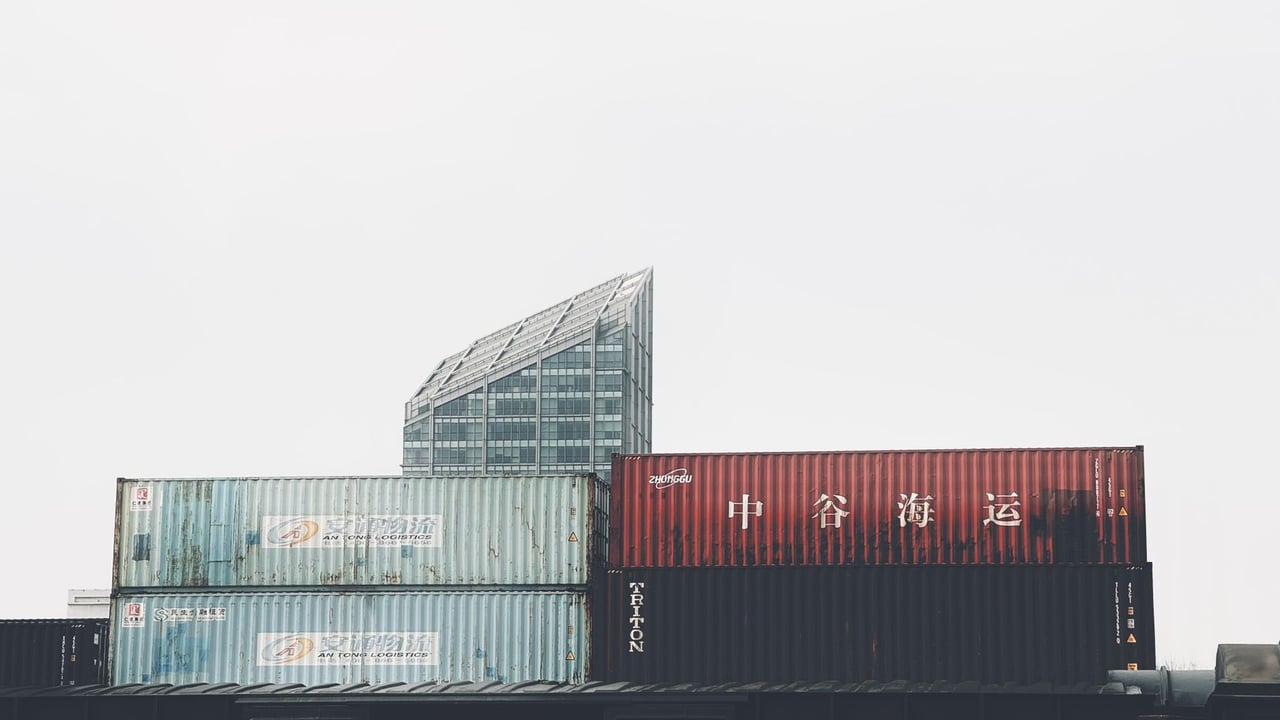
Photo by Shuaizhi Tian on Pexels
The Brief
Chinese leadership has placed domestic demand expansion at the top of its economic priorities, framing the development of a powerful domestic market as a long-term strategic anchor rather than a short-term stimulus measure. According to state media, official policy emphasizes balancing consumption and investment while combining investments in physical assets with investments in human capital. In the first half of the year, final consumption and gross capital formation contributed 2.1 and 1.7 percentage points to GDP growth, respectively, backed by policy initiatives such as consumer trade-ins and five-year consumption blueprints.
Why it matters
Strengthening domestic demand is central to China's 'dual circulation' strategy, which aims to shield the economy from external volatility and transition away from excessive export reliance toward consumption-led expansion.
China context
Facing domestic demand imbalances and shifting international trade dynamics, Beijing is using consumer goods trade-in programs, urban renewal projects, and medium-term planning frameworks—such as the 15th Five-Year Plan for expanding consumption—to establish a self-sustaining internal economic loop.
Editor's View
EDITOR'S VIEW — Analysis and inference, not factual reporting.
The repeated policy emphasis on coupling physical investment with investment in human capital signals an evolving macro playbook. Rather than relying solely on traditional infrastructure spending, policymakers are attempting to stabilize fixed-asset investment by addressing structural gaps in consumer services, advanced manufacturing upgrades, and public welfare shortfalls.
What to watch
- Implementation details and municipal rollout of the 15th Five-Year Plan for expanding consumption
- Scope and fiscal subsidies allocated to nationwide consumer goods trade-in programs
- Quarterly shifts in consumption and fixed-asset investment contributions to headline GDP growth
Key Takeaways
- 1Expanding domestic demand and building a strong internal market ranks first among the year's eight key economic tasks.
- 2Final consumption and capital formation contributed 2.1 and 1.7 percentage points to GDP growth, respectively, in the first half of the year.
- 3Policy directives stress combining 'investment in physical assets' with 'investment in people' to sustain domestic momentum.
- 4Structural measures include the 15th Five-Year Plan for expanding consumption, consumer trade-in programs, and urban renewal.
China has placed the expansion of domestic demand at the top of its primary economic tasks for the year, framing the cultivation of a robust internal market as essential to maintaining macro stability and long-term economic security, according to a detailed report published in the People's Daily.
At a recent meeting of the CPC Central Committee Political Bureau on July 30, leaders reiterated directives to intensify domestic demand expansion and optimize supply structures. Official doctrine traces this priority back to the 'dual circulation' framework, where domestic economic circulation serves as the mainstay while foreign and domestic markets reinforce each other.
Official data highlighted in state reporting demonstrates domestic demand's current role in sustaining headline expansion. In the first half of the year, final consumption expenditure contributed 2.1 percentage points to gross domestic product growth, while gross capital formation added 1.7 percentage points.
Policymakers emphasize that domestic expansion must integrate short-term consumer incentives with structural upgrades. Key initiatives include the rollout of the 15th Five-Year Plan for expanding consumption, expanded consumer goods trade-in programs, and targeted urban renewal efforts aimed at both stabilizing fixed-asset investment and driving consumer retail.
Leadership statements have also increasingly highlighted a dual focus on 'investing in physical assets' and 'investing in people.' First articulated at the Central Financial and Economic Affairs Commission in May 2023 and reiterated at the Central Economic Work Conference in December 2025, this formulation calls for addressing gaps in traditional industry upgrades, emerging sectors, and public services to arrest investment slowdowns and foster sustainable household spending power.
While external conditions have shifted away from traditional high-volume import-export reliance, authorities maintain that broad market scale, ongoing technological upgrading, and expanding public service needs provide ample headroom for sustained internal expansion.
Sources
- “让内需成为经济发展的主动力”(总书记的人民情怀) --时政--人民网 — People's Daily · 8/11/2026