
Policy & RegulationAnalysis
China Market Regulator Penalizes False Online Food Ads and AI Streamers
Enforcement cases highlight penalties against deceptive livestreaming and health claims, confirming AI avatars offer no legal shield.
Share
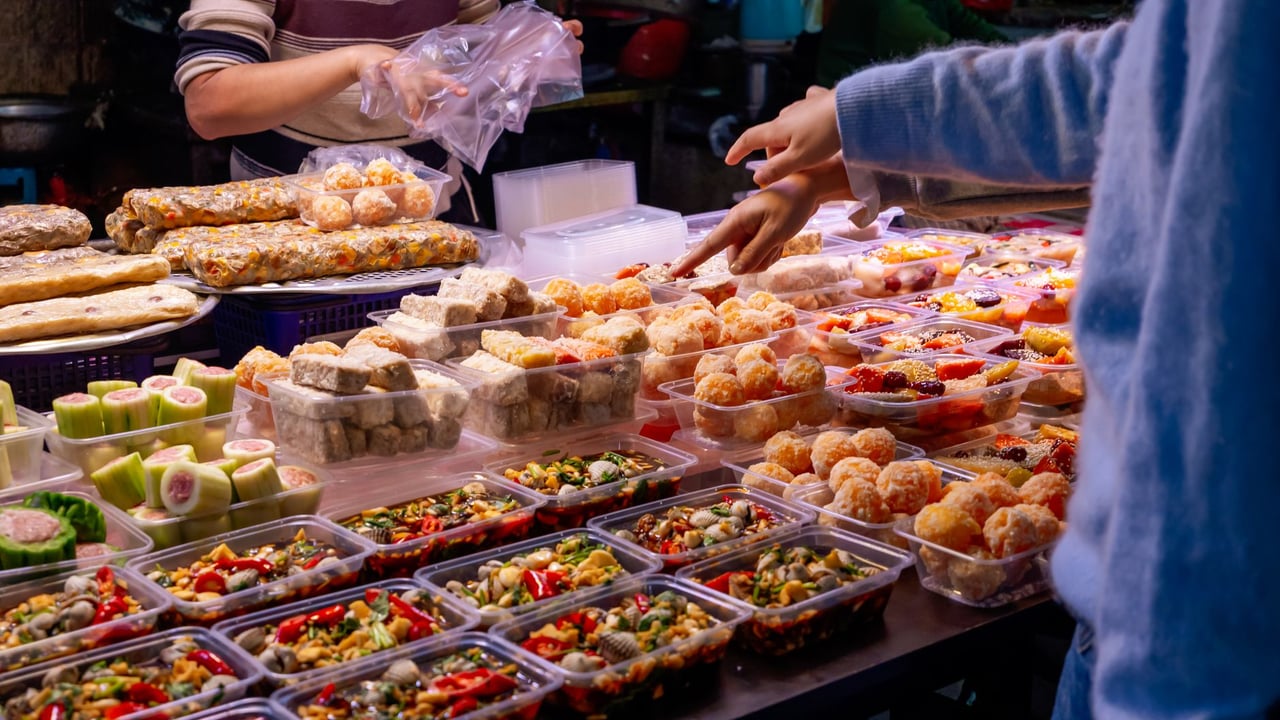
Photo by Da Na on Pexels
The Brief
China's State Administration for Market Regulation (SAMR) has published a series of representative enforcement actions targeting deceptive marketing in online food and dietary supplement sales, according to state media. The disclosed cases include Beijing's first penalty against false health claims delivered via an AI-generated virtual livestreamer, establishing that synthetic personas cannot shield merchants from advertising laws. Regulators also highlighted a severe case in Shenzhen where misleading health marketing induced elderly patients to stop prescription medications, leading to critical health complications including cerebral hemorrhages.
Why it matters
The regulatory disclosures establish explicit liability for automated digital marketing and signal intensified oversight over online health commerce. By sanctioning merchants deploying synthetic livestream presenters under new live-commerce rules, authorities have closed a perceived compliance loophole regarding automated sales pitches. Furthermore, heavy fines against predatory marketing targeting the elderly reflect an ongoing inter-agency push to protect vulnerable demographics amid China's rapid demographic aging.
China context
In April 2026, SAMR initiated a six-month campaign targeting false advertising in digital food retail alongside a joint elder-protection program conducted with the Ministry of Industry and Information Technology and the Ministry of Civil Affairs. This multi-agency coordination aligns with broader national efforts to formalize compliance standards across the livestreaming economy, guided by the newly enacted Live-Streaming E-Commerce Supervision and Management Measures and the Anti-Unfair Competition Law.
Editor's View
EDITOR'S VIEW — Analysis and inference, not factual reporting.
The inclusion of an AI-generated livestreamer among national benchmark enforcement cases underscores how quickly Chinese authorities are adapting traditional consumer protection statutes to synthetic media. Rather than treating algorithmic hosts as neutral tools or technical novelties, market supervisors are enforcing strict principal liability on the merchants operating them. While the fine in the Beijing AI streamer case was relatively modest at 5,000 yuan, the precedent is significant: it sets clear boundaries for automated e-commerce scripts and discourages retailers from outsourcing non-compliant marketing language to artificial avatars.
What to watch
- The institutionalization of permanent oversight rules following the conclusion of SAMR's six-month food advertising campaign.
- Potential issuance of nationwide technical and compliance guidelines governing synthetic presenters and AI avatars in livestreaming retail.
- Platform-level implementation of automated screening and verification requirements for special medical foods and health supplements.
Key Takeaways
- 1SAMR published benchmark cases from its six-month campaign targeting deceptive digital food advertising and senior-focused scams.
- 2Beijing regulators issued the capital's first penalty against false health claims delivered by an AI virtual livestream host.
- 3A Shenzhen firm was fined 250,000 yuan after false cure claims led elderly patients to stop blood pressure drugs and suffer cerebral hemorrhages.
- 4Enforcement covered diverse violations across several provinces, including unauthorized special medical food sales and counterfeit certification codes.
China's top market regulator has released a series of benchmark enforcement cases addressing deceptive advertising in online food commerce, signaling coordinated online and offline scrutiny over misleading health claims, according to a report by Xinhua.
In April 2026, the State Administration for Market Regulation launched a nationwide six-month enforcement campaign targeting false claims in online food sales. Concurrently, SAMR partnered with the Ministry of Industry and Information Technology and the Ministry of Civil Affairs to conduct a specialized consumer protection initiative focused on health foods marketed to the elderly. The published cases reflect findings from these joint supervisory efforts.
Among the highlighted cases, authorities in Beijing's Changping District penalized a merchant for using an artificial intelligence virtual host to falsely claim that an ordinary food product possessed health benefits, specifically that it helped enhance immune function. District regulators ruled that the broadcast deceived consumers under the Anti-Unfair Competition Law, issuing a cease-and-desist order alongside a 5,000 yuan fine. The action marks Beijing's first enforcement case involving an AI-generated livestreamer promoting standard food as functional health nutrition since the implementation of the Live-Streaming E-Commerce Supervision and Management Measures, clarifying that digital avatars cannot serve as a shield against regulatory liability.
In another severe case highlighted by the regulator, Shenzhen Wandantong Health Management Co. was fined 250,000 yuan by market supervisors in Shenzhen's Luohu District. The company falsely promoted regular food products as cures for hypertension, hyperglycemia, and hyperlipidemia during conference-style marketing sessions. The deceptive claims prompted several elderly consumers to discontinue their prescribed blood pressure medications, resulting in severe health emergencies, including cerebral hemorrhages.
SAMR also detailed several other regulatory violations spanning multiple provinces. These included an enterprise in Jiangyin, Jiangsu, penalized for assisting third parties in false advertising; media and biotechnology firms in Anhui and Shandong penalized for unlawful advertisements; an online pharmacy branch in Tianjin investigated for unauthorized digital sales of food for special medical purpose (FSMP); and a vendor in Guangxi penalized for retailing hazardous food and utilizing counterfeit health product approval codes.
Sources
- 市场监管总局发布一批网络食品销售虚假宣传典型案例--经济·科技--人民网 — People's Daily · 9/7/2026