
Defense & StrategyAnalysis
China Revises National Defense Mobilization Law Ahead of October Rollout
President Xi Jinping signs Presidential Order No. 83 promulgating the updated statute, which takes effect on October 1.
Share
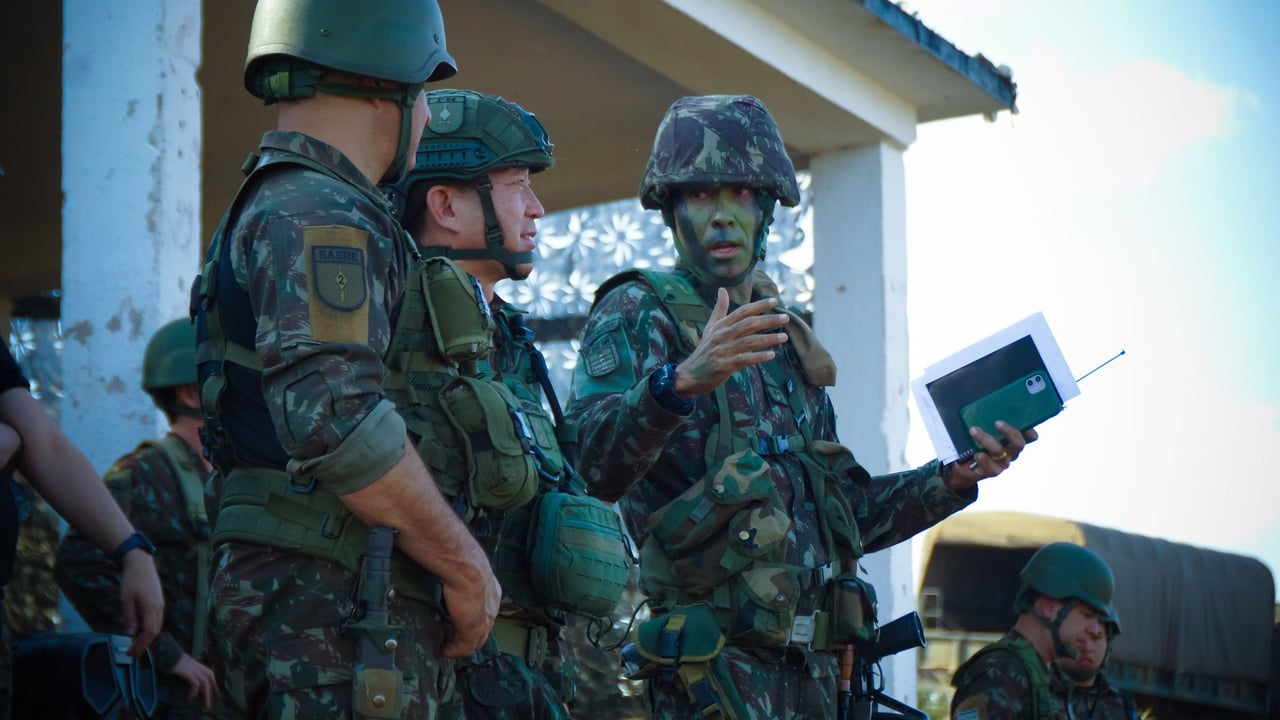
Photo by Imprensa Agruban on Pexels
The Brief
China's top legislative body has adopted a revised National Defense Mobilization Law, formally promulgated by President Xi Jinping under Presidential Order No. 83 on August 28, 2026. Approved during the 24th session of the Standing Committee of the 14th National People's Congress, the legislation is slated to take effect on October 1, 2026. The revision updates the statutory framework governing military-civilian readiness, resource coordination, and wartime transition mechanisms.
Why it matters
The National Defense Mobilization Law provides the legal architecture for shifting state and civilian resources from peacetime operations to emergency or wartime posture. Updating this statute reflects Beijing's ongoing efforts to streamline emergency mobilization capabilities, enhance supply chain resilience, and strengthen cross-departmental coordination between civil authorities and the armed forces under modern strategic requirements.
China context
Over the past several years, China has conducted structural reforms to its national defense mobilization apparatus, establishing dedicated mobilization offices across provincial and municipal administrations and adjusting command relationships between local governments and military authorities. The formal legislative passage by the National People's Congress Standing Committee consolidates these institutional realignments into statutory law.
Editor's View
EDITOR'S VIEW — Analysis and inference, not factual reporting.
The promulgation of Presidential Order No. 83 signals that the legal codification of defense mobilization reforms has reached a decisive phase. While the official decree confirms the adoption date and an effective date of October 1, 2026, the strategic implications will hinge on the detailed provisions within the revised text, particularly regarding how local governments, state-owned enterprises, and private sector industries are required to integrate contingency planning with military logistics.
What to watch
- Release of the full statutory text of the revised National Defense Mobilization Law and accompanying legislative explanations by the National People's Congress.
- Follow-up implementation measures and regulatory directives issued by relevant civil ministries and military-civilian coordination bodies.
- Preparatory guidance and public compliance initiatives leading up to the official October 1, 2026 implementation deadline.
Key Takeaways
- 1President Xi Jinping signed Presidential Order No. 83 on August 28, 2026, promulgating the revised National Defense Mobilization Law.
- 2The amendments were adopted by the 14th National People's Congress Standing Committee at its 24th session.
- 3The revised legislation officially enters into force on October 1, 2026.
- 4The law establishes the baseline legal framework governing strategic resource allocation, readiness, and peacetime-to-wartime mobilization transitions.
Chinese President Xi Jinping has signed Presidential Order No. 83 to promulgate a newly revised National Defense Mobilization Law, according to an announcement carried by state media on August 28, 2026.
The revised statute was formally reviewed and passed on August 28 by the Standing Committee of the 14th National People's Congress during its 24th legislative session in Beijing. Under the terms of the presidential decree, the legislation will enter into force on October 1, 2026.
The National Defense Mobilization Law establishes the institutional procedures, legal responsibilities, and administrative protocols for mobilizing state resources, industrial capacity, infrastructure, and human reserves in response to national security threats or wartime requirements. The decree itself did not publish the comprehensive text of the amendments immediately, but legislative revisions in this area routinely focus on updating mechanisms for peacetime readiness, strategic stockpiling, logistics allocation, and rapid transition protocols.
The adoption of this updated law follows several years of internal restructuring across China's national defense mobilization architecture. Following military and civil reforms, administrative responsibilities for mobilization have increasingly been regularized within provincial and local government structures, clarifying how local civilian agencies coordinate with provincial military districts and Central Military Commission authorities. Passing the revised statute codifies these organizational changes into primary legislation.
Observers of Chinese defense strategy will be examining the forthcoming full text to assess changes in obligations placed on commercial enterprises, critical infrastructure operators, and civilian logistics networks. Of specific interest is the extent to which digital networks, strategic supply chains, and emergency civilian-military interoperability have been integrated into mandatory mobilization duties.
With the statute scheduled to take effect at the start of October, central departments, local administrative bodies, and defense organs are expected to begin adjusting regional operational manuals and regulatory frameworks to align with the revised statutory baseline.
Sources
- 中华人民共和国主席令(第八十三号) — State Council of China · 8/28/2026