
Defense & StrategyAnalysis
China and Singapore Conclude Maritime Cooperation-2026 Naval Exercise
Naval forces from both nations completed five days of bilateral harbor exchanges and maritime drills.
Share
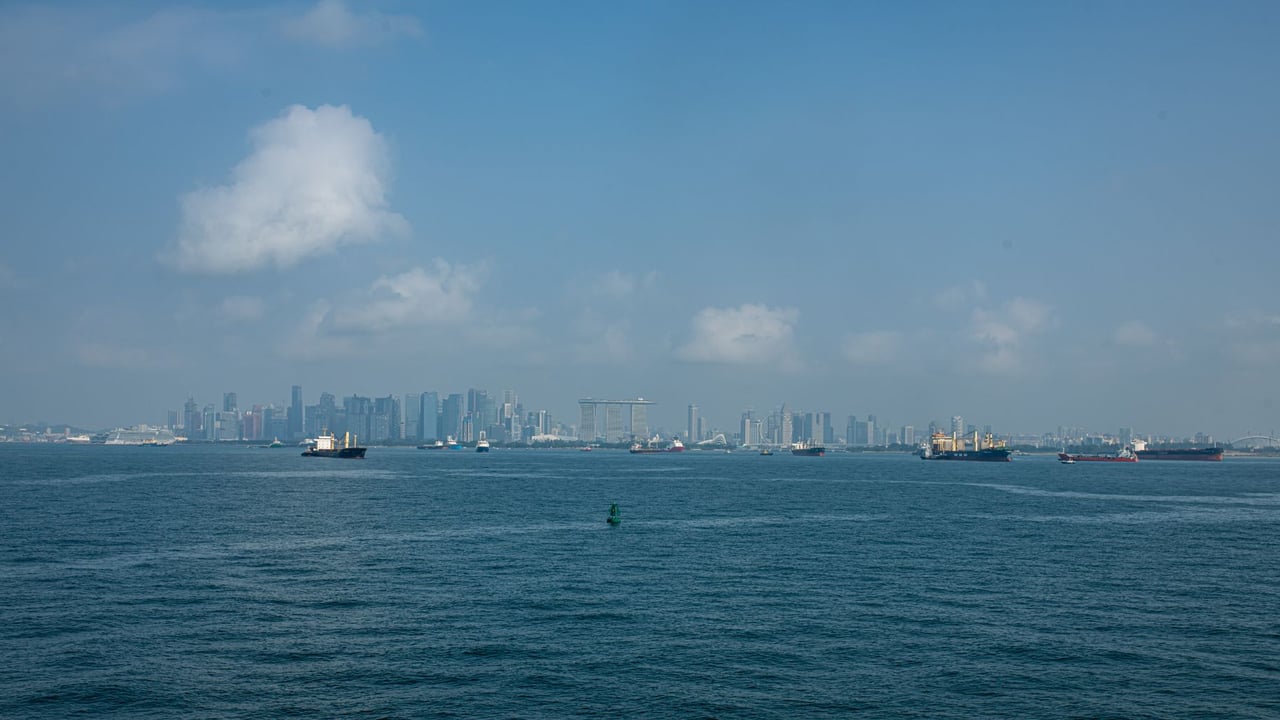
Photo by Oleksiy Yeshtokyn,🌻🇺🇦🌻 on Pexels
The Brief
The Chinese and Singaporean navies concluded their bilateral 'Maritime Cooperation-2026' joint exercise following a fleet parting ceremony on September 9. The five-day exercise featured China's guided-missile frigate Dali and Singapore's frigate RSS Steadfast operating in both shore-based exchanges and open-sea drills. Activities included discussions on diving and submarine rescue, underway replenishment maneuvering, communications exercises, and joint search-and-rescue operations, marking the fifth bilateral maritime exercise between the two countries.
Why it matters
The 'Maritime Cooperation' drill series represents an institutionalized bilateral mechanism facilitating operational familiarity and defense communication between the Chinese People's Liberation Army Navy and the Republic of Singapore Navy. In an era of regional maritime tensions, these routine drills highlight functional defense cooperation focused on sea-lane safety, search and rescue, and tactical interoperability.
China context
Beijing regularly employs bilateral exercises with Association of Southeast Asian Nations (ASEAN) members to foster defense diplomacy, project operational transparency, and demonstrate constructive engagement in regional maritime security. For the PLA Navy, these drills also provide practical opportunities to refine joint coordination, mixed-flotilla maneuvering, and specialized naval support capabilities.
Editor's View
EDITOR'S VIEW — Analysis and inference, not factual reporting.
While official statements from both sides emphasized tactical mutual trust and practical coordination, the scope of the exercise reflects a calibrated approach to defense engagement. Singapore maintains close security ties with multiple global partners, including the United States, while continuing pragmatic interactions with China. The focus on submarine search and rescue, medical exchange, communications, and maritime replenishment illustrates an emphasis on lower-friction, functional collaboration rather than high-end combat integration.
What to watch
- Statements or official readouts from Singapore's Ministry of Defence regarding specific operational outcomes.
- Future expansion of drill scopes or specialized subjects in subsequent iterations of the bilateral 'Maritime Cooperation' series.
- PLA Navy naval diplomacy and scheduled bilateral or multilateral exercises with other Southeast Asian partners.
Key Takeaways
- 1The China-Singapore 'Maritime Cooperation-2026' naval exercise concluded on September 9 after five days of activities.
- 2Participating vessels included the PLA Navy frigate Dali and Singapore's frigate RSS Steadfast.
- 3The exercise was divided into a shore phase focused on submarine rescue and diving exchanges, followed by sea trials starting September 8.
- 4Maritime serials encompassed communications, replenishment positioning, formation maneuvering, and search-and-rescue operations.
- 5State media described the event as the fifth joint maritime exercise between China and Singapore.
Naval forces from China and Singapore concluded their joint exercise, designated 'Maritime Cooperation-2026,' following a formal parting ceremony on the afternoon of September 9, according to Chinese military and state media reports.
The five-day exercise, which Chinese reports identified as the fifth joint maritime exercise conducted between the two nations, brought together the Chinese People's Liberation Army Navy guided-missile frigate Dali and the Republic of Singapore Navy frigate RSS Steadfast.
According to reports from China Military Online and People's Daily, the exercise was organized into two distinct phases: harbor exchanges and maritime drills. During the harbor phase, personnel from both services participated in high-level leadership meetings, planning seminars, reciprocal ship tours, and deck receptions. Operational personnel also conducted technical exchanges covering diving operations, submarine search and rescue, and underwater medicine.
The exercise transitioned to its maritime phase on September 8. During open-sea maneuvers, both navies placed shipboard observers on each other's vessels. Drill serials reported across Chinese state outlets included communications exercises, formation maneuvers, replenishment positioning, and joint search-and-rescue drills. A report by China Military Online additionally noted the inclusion of live-fire shooting drills, though People's Daily primarily highlighted formation movements, aerial photography, and replenishment positioning.
At approximately 1:30 p.m. on September 9, commanders from both vessels delivered concluding remarks before the ships sounded whistles, saluted, and broke formation. The commander of the Dali commended the Singaporean crew's professionalism and emphasized the role of bilateral cooperation in regional peace and stability. The commander of the Steadfast noted that the exercise provided a valuable venue for developing mutual trust and praised China's planning and support, expressing anticipation for future encounters at sea.
Both navies characterized the recurring exercise as an institutionalized platform enabling bilateral forces to advance from basic acquaintance to operational familiarity and tactical mutual trust.
Sources
- 中新“海上合作-2026”联合演习结束 - 中国军网 — China Military Online · 9/9/2026
- 中新“海上合作-2026”联合演习结束--军事--人民网 — People's Daily · 9/10/2026