
Business & IndustryAnalysis
China's South-to-North Water Diversion Project Surpasses 90 Billion Cubic Meters
Official data shows the first phases of the eastern and middle routes have transferred over 90 billion cubic meters of water to northern regions.
Share
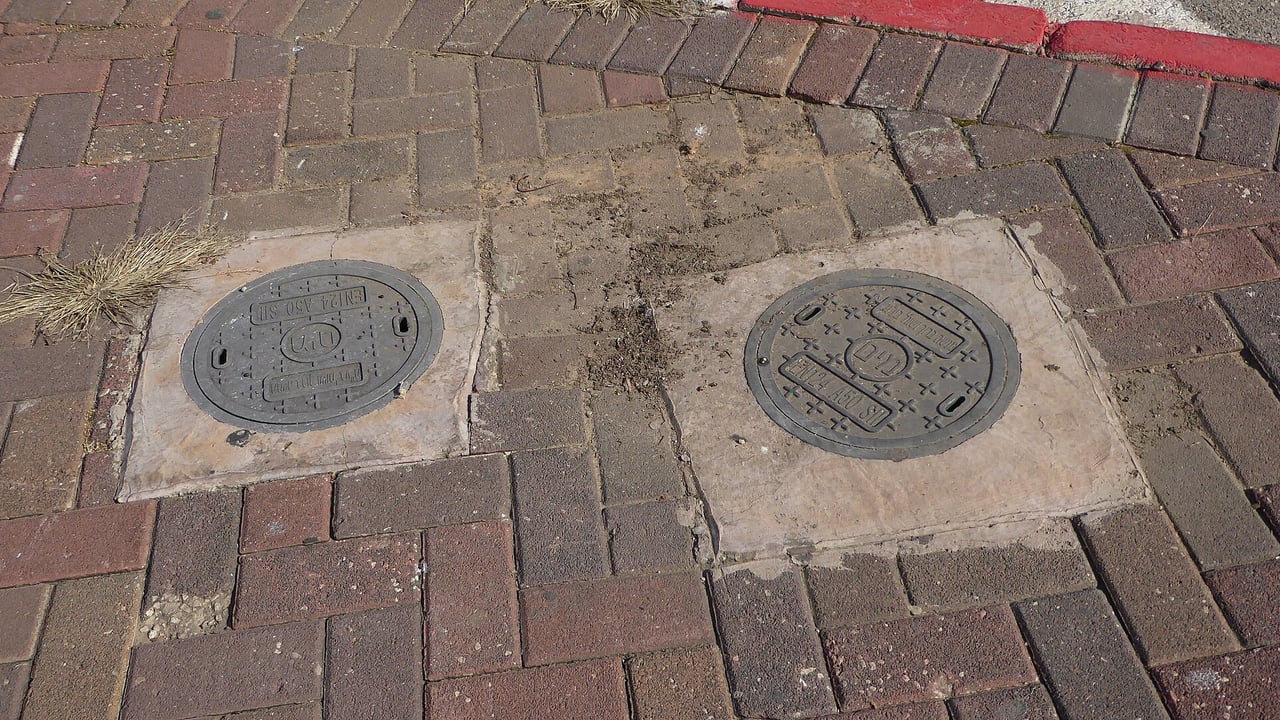
Chenspec via Wikimedia Commons, CC BY-SA 4.0
The Brief
The first phase of the eastern and middle routes of China's South-to-North Water Diversion Project has transferred more than 90 billion cubic meters of water to date, according to official data released by the Ministry of Water Resources and China South-to-North Water Diversion Corporation. The middle route accounted for over 80.05 billion cubic meters, while the eastern route delivered more than 9.95 billion cubic meters, marking a major milestone in China's inter-basin water reallocation strategy.
Why it matters
Passing the 90 billion cubic meter mark underscores the mega-engineering project's central role in sustaining municipal water supplies, agricultural activities, and industrial centers across northern China, including the Beijing-Tianjin-Hebei region. The volume transferred reflects ongoing reliance on massive inter-basin redistribution to offset structural regional water deficits.
China context
Serving as the primary backbone of China's national water network, the South-to-North Water Diversion Project highlights the state's long-term infrastructure investment into resource balancing. The infrastructure underpins economic stability in northern China by mitigating groundwater depletion and addressing geographical disparities in water endowment.
Editor's View
EDITOR'S VIEW — Analysis and inference, not factual reporting.
While the 90-billion-cubic-meter milestone demonstrates impressive operational continuity, the stark imbalance between the middle route (over 80 billion cubic meters) and the eastern route (under 10 billion cubic meters) illustrates the operational and water-quality demands placed heavily on the middle corridor. Observers should watch how China advances subsequent follow-up projects, such as the Yinjiangbuhan water transfer project designed to augment the Han River and Danjiangkou reservoir, to ensure long-term resilience across the network.
What to watch
- Subsequent official disclosures regarding water quality metrics and ecological replenishment volumes along both routes
- Construction and planning progress on follow-up expansion projects, including the Yinjiangbuhan project connecting the Three Gorges to the Han River
- Seasonal water allocation plans and conservation policies in receiving municipalities across northern China
Key Takeaways
- 1Combined water transfers through the first phases of the eastern and middle routes have exceeded 90 billion cubic meters.
- 2The middle route's first phase contributed over 80.05 billion cubic meters of the total volume.
- 3The eastern route's first phase transferred more than 9.95 billion cubic meters.
- 4The figures were officially disclosed by the Ministry of Water Resources and China South-to-North Water Diversion Corporation.
The first phase of the eastern and middle routes of China's South-to-North Water Diversion Project has transferred more than 90 billion cubic meters of water, according to data released by the Ministry of Water Resources and the state-owned China South-to-North Water Diversion Corporation.
Of the total volume recorded as of August 10, the first phase of the middle route accounted for the vast majority of water delivered, transferring over 80.05 billion cubic meters. The first phase of the eastern route transferred more than 9.95 billion cubic meters, Xinhua News Agency reported.
The South-to-North Water Diversion Project is one of the world's most extensive water transfer systems, engineered to channel water from the Yangtze River basin to the arid, densely populated plains and economic hubs of northern China.
The middle route channels water directly from the Danjiangkou Reservoir on the Han River, a major tributary of the Yangtze, northwards across Henan and Hebei provinces to reach Beijing and Tianjin. The eastern route utilizes the Grand Canal corridor and a series of pumping stations to lift water northward from the lower reaches of the Yangtze in Jiangsu Province toward Shandong Province.
Passing the 90-billion-cubic-meter threshold highlights the continuous operational role the system plays in China's national water network. The diverted water serves as a vital lifeline for drinking water supplies in major northern metropolises, supports local manufacturing and agriculture, and contributes to ecological replenishment aimed at reversing decades of severe groundwater over-extraction.
As water demand remains elevated across northern provinces, state planners are continuing work on follow-up expansions and inter-basin connectivity projects to further stabilize water supply security in the face of ongoing climate and regional ecological pressures.
Sources
- 南水北调东中线一期工程调水超900亿立方米--经济·科技--人民网 — People's Daily · 8/10/2026