
Business & IndustryAnalysis
China's Summer Wheat Procurement Exceeds 90 Million Tons Amid Peak Season
Authorities activate minimum purchase price schemes across key agricultural provinces to stabilize grain markets and protect farmer incomes.
Share
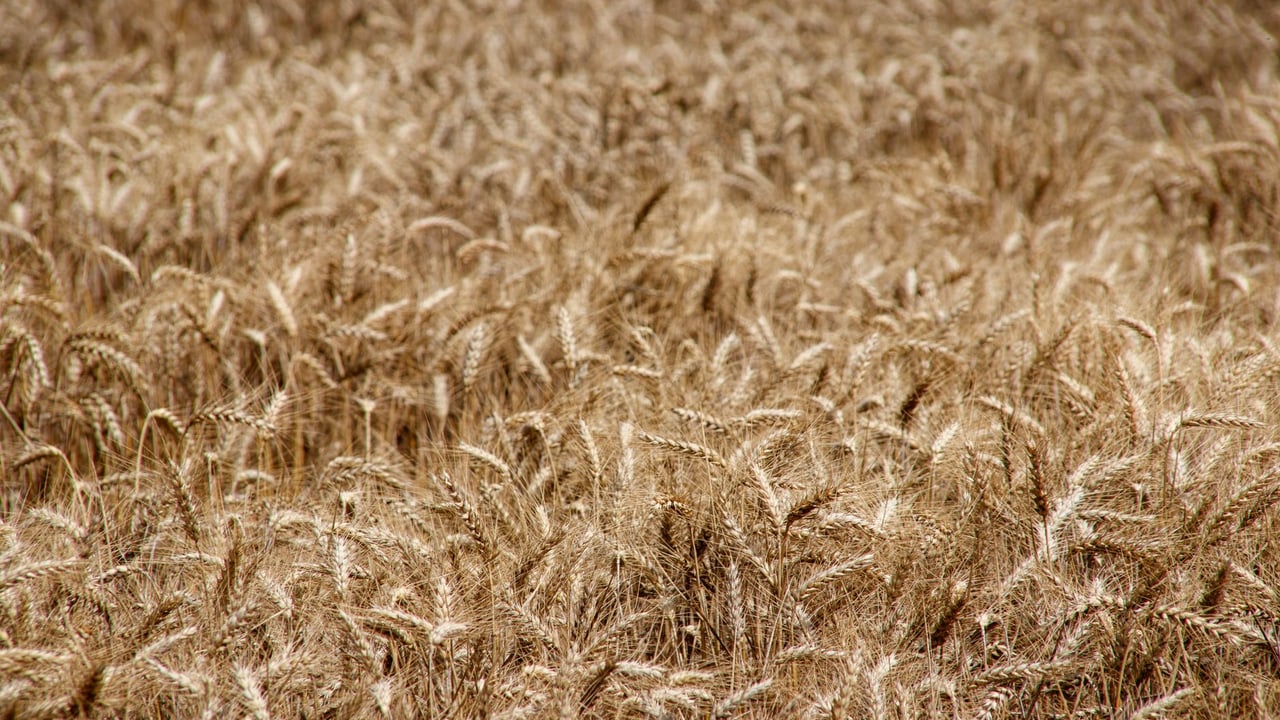
Photo by Freek Wolsink on Pexels
The Brief
China's summer grain procurement has entered its peak period, with total wheat purchases by commercial and state grain enterprises surpassing 90 million metric tons, according to data from the National Food and Strategic Reserves Administration. As southern early indica rice also arrives on the market in volume, authorities have triggered minimum purchase price mechanisms in Henan, Jiangxi, and Hunan provinces. Officials stated they will combine market-based buying with policy-backed stockpiling while monitoring weather conditions to limit post-harvest losses.
Why it matters
Exceeding 90 million metric tons in summer wheat procurement demonstrates stability in China's core staple grain supply. The prompt activation of minimum purchase price mechanisms in major producing regions highlights Beijing's continued reliance on policy floors to insulate domestic agricultural markets and preserve farmer incentives during harvest gluts.
China context
Ensuring domestic grain self-sufficiency remains a central pillar of China's national security strategy to counter external market volatility. Smooth summer grain intake in heavy-producing provinces—such as Henan for wheat and southern provinces for rice—provides the foundational buffer necessary for broader macroeconomic stability.
Editor's View
EDITOR'S VIEW — Analysis and inference, not factual reporting.
The data reflects a structured dual-track procurement approach where state reserves step in whenever local market prices threaten to drop below policy baselines. While headline procurement numbers indicate ample harvest volumes, logistical efficiency—particularly drying capacity and weather resilience—will determine the ultimate quality and storage viability of the collected grain.
What to watch
- Market price trends for early indica rice across southern provinces and potential expansion of minimum support price activations.
- Weather patterns, especially regional rainfall, and provincial deployment of drying facilities to mitigate post-harvest grain degradation.
Key Takeaways
- 1Cumulative summer wheat procurement by domestic grain enterprises has surpassed 90 million metric tons.
- 2Early indica rice from southern provinces has begun arriving on the market in concentrated volumes.
- 3Minimum purchase price mechanisms have been triggered in Henan for wheat, and in Jiangxi and Hunan for early indica rice.
- 4Authorities are monitoring rainfall and expanding grain drying and storage operations to reduce post-harvest waste.
China's summer grain procurement has entered its peak season, with total wheat purchases across all types of grain operating entities exceeding 90 million metric tons, according to data released by the National Food and Strategic Reserves Administration.
State media reported that procurement operations nationwide are proceeding in an orderly manner. Alongside the heavy volume of wheat intake, early indica rice from southern producing provinces is now entering the market in volume.
To safeguard farm incomes and stabilize market expectations during the supply influx, government authorities triggered the minimum purchase price execution plan for wheat in central Henan province in August. Similar minimum support price mechanisms were also activated earlier in the month for early indica rice in the southern provinces of Jiangxi and Hunan.
The National Food and Strategic Reserves Administration stated that authorities will continue balancing market-oriented procurement with policy-driven stockpiling. Officials noted that agricultural authorities will monitor weather fluctuations, including local rainfall, and instruct provincial departments to enhance grain drying and warehousing capacities to minimize post-harvest losses.
The agency added that it will also focus on strengthening cooperation between production and sales regions and expanding direct links between farmers and agribusiness enterprises to ensure smooth grain deliveries and maintain steady market operations throughout the peak season.
Sources
- 我国夏粮旺季收购进入高峰 小麦收购量超9000万吨--经济·科技--人民网 — People's Daily · 8/24/2026
- 全国累计收购小麦超9000万吨--经济·科技--人民网 — People's Daily · 8/24/2026