
Business & IndustryAnalysis
China's Supply and Marketing Cooperatives Mobilize for Summer Grain Acquisition
State-backed networks deploy billions in funds and expand storage capacity to secure the 2026 summer harvest.
Share
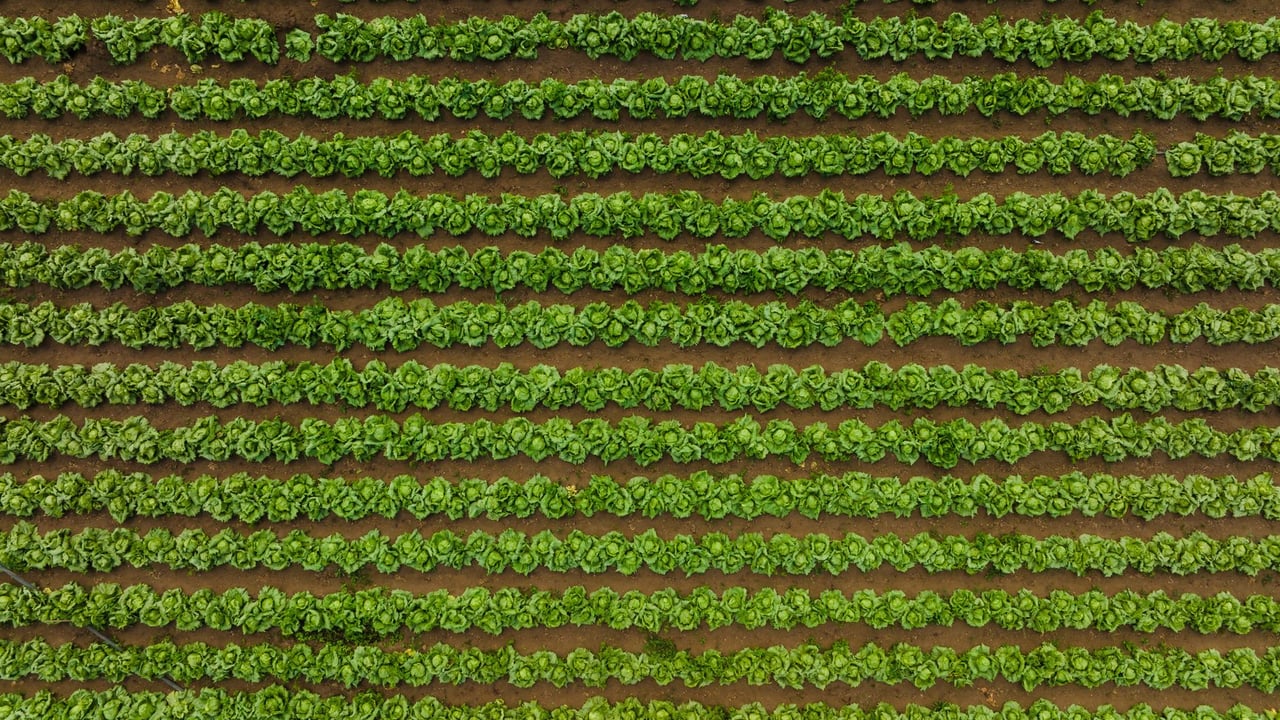
Photo by K on Pexels
The Brief
China's supply and marketing cooperative system has mobilized significant resources to support the 2026 summer grain acquisition, securing over half of its target by early July. Backed by 2 billion yuan in acquisition funds and 1 million tons of prepared storage capacity from China Co-op Grain and Oil Co., Ltd., the system has processed hundreds of thousands of tons of grain. Regional branches in Hebei and Henan have implemented 24-hour shifts and driver-accommodation services to streamline the process for farmers, aligning with a 0.7% year-on-year increase in national summer grain production.
Why it matters
The smooth acquisition of summer grain directly impacts the immediate financial returns of Chinese farmers and serves as a foundational pillar for national food security and agricultural market stability.
China context
The 'Supply and Marketing Cooperative' (供销社) system, historically associated with China's planned economy era, has been revitalized under current national strategies to play a modern, state-backed role in rural logistics, agricultural supply chains, and food security safeguards.
Editor's View
EDITOR'S VIEW — Analysis and inference, not factual reporting.
The revitalization of the supply and marketing cooperative system is a key indicator of Beijing's strategy to centralize and secure agricultural supply chains. By combining massive financial backing with localized, high-touch services—such as 24-hour operations and free meals for transport drivers—the state is attempting to mitigate logistical bottlenecks that historically plagued rural grain distribution. This dual approach of high-level capital deployment and grassroots facilitation highlights how China leverages state-backed entities to ensure food security amid global market uncertainties.
What to watch
- Whether the supply and marketing system will meet or exceed its total purchasing targets as the summer harvest wraps up.
- If other regional grain purchasing bodies will adopt similar 24-hour shifts and driver-accommodation services to ease the pressure on farmers.
Key Takeaways
- 1China's 2026 summer grain production rose 0.7% year-on-year to 150.746 million tons.
- 2The supply and marketing system acquired 448,000 tons of summer grain by early July, passing the halfway mark.
- 3China Co-op Grain and Oil Co., Ltd. prepared 1 million tons of storage and 2 billion yuan in funds.
- 4Regional branches in Hebei and Henan introduced 24-hour shifts and driver accommodations to ease bottlenecks.
China's supply and marketing cooperative system has accelerated its summer grain acquisition efforts to secure the country's latest harvest, deploying billions of yuan in capital and expanding storage infrastructure to streamline the process for farmers.
According to data from the National Bureau of Statistics, China's total summer grain output in 2026 reached 150.746 million tons, representing an increase of 1.0 million tons, or 0.7 percent, compared to 2025. To manage this influx, China Co-op Grain and Oil Co., Ltd., a subsidiary of the state-owned China Co-op Group, prepared 1 million tons of storage capacity and allocated 2 billion yuan in acquisition funds ahead of the season. By the end of June, the company had activated 14 grain depots and 9 docks, purchasing more than 300,000 tons of wheat. By early July, the broader supply and marketing system had cumulatively acquired 448,000 tons of summer grain, marking the halfway point of its seasonal purchasing progress.
To expedite the intake of grain and minimize waiting times for farmers, regional branches have adjusted their operations. In Hebei province, the local branch of China Co-op Grain and Oil has implemented a 24-hour emergency shift system. Zhou Delong, the branch's warehouse department manager, stated that their primary objective is to ensure that farmers are guaranteed a market for their grain.
Meanwhile, in Henan province, the local branch has focused on addressing logistical challenges faced by long-haul drivers and farmers waiting overnight. According to depot head Song Kunling, the branch has provided free breakfast and coordinated with nearby enterprises to secure idle dormitories for temporary rest, compensating for a lack of commercial amenities around newly built depot sites.
These coordinated efforts reflect a broader national push to leverage the revitalized supply and marketing cooperative network to stabilize agricultural supply chains and protect rural incomes during peak harvest periods.
Sources
- 供销力量护航夏粮收购 稳稳守护农民丰产硕果--经济·科技--人民网 — People's Daily · 7/17/2026
- China summer grain harvest tops 150 million tonnes for first time — State Council of China
- Co — Co
- Durksfeed — Durksfeed