
Policy & RegulationAnalysis
China Issues 15th Five-Year Cultural Industry Plan Aiming for 2030 Leap
The Ministry of Culture and Tourism outlines seven key tasks, stressing tech integration, domestic consumption, and overseas expansion.
Share
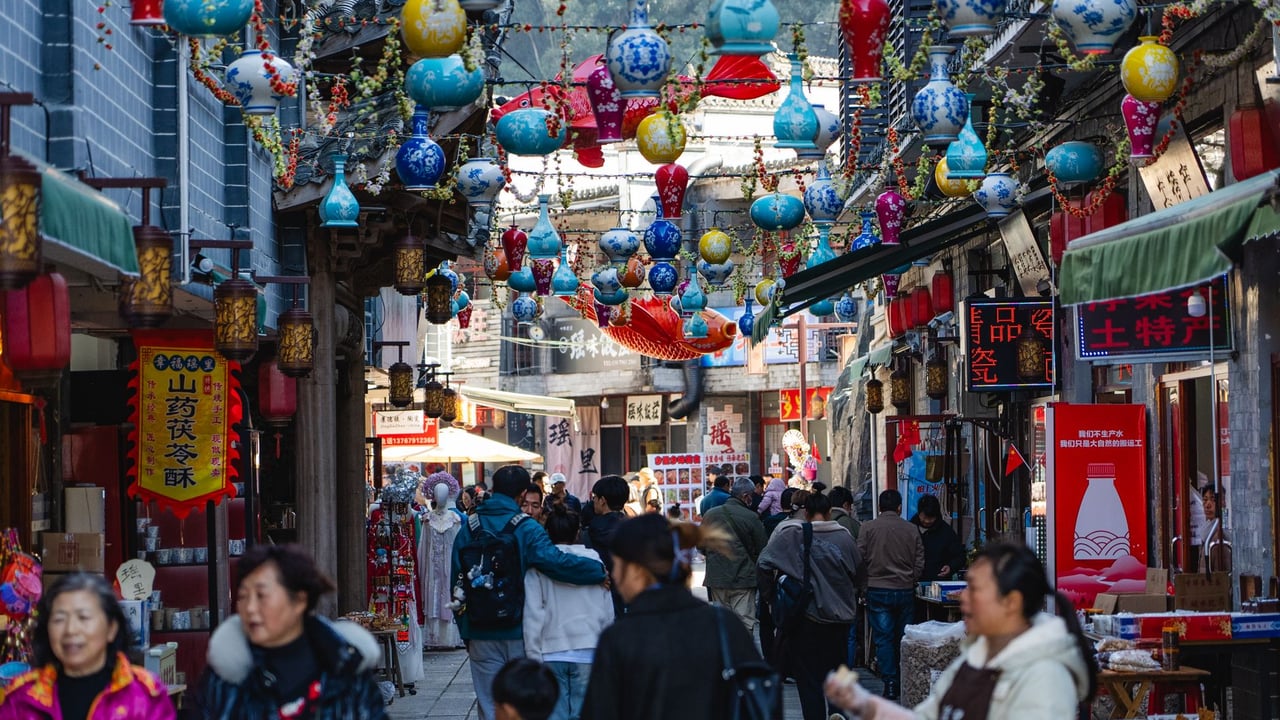
Photo by jason hu on Pexels
The Brief
China's Ministry of Culture and Tourism has issued its cultural industry development plan for the 15th Five-Year Plan period (2026–2030). The blueprint aims for a measurable leap in industrial scale, overall strength, and economic and social benefits by 2030, solidifying the sector's role as a pillar of the national economy. The strategy identifies seven core priorities, including deepening the integration of culture with technology and tourism, unlocking consumer demand, enhancing cultural financial services, and boosting international cultural trade.
Why it matters
The plan establishes the central guiding framework for China's cultural and tourism sectors across the 2026–2030 cycle. By prioritizing digital technology integration, expanded domestic cultural consumption, and cross-border trade, the policy signals where state resources, regulatory coordination, and financial support will flow within China's broader services economy.
China context
As Beijing balances supply-side structural reforms with domestic demand expansion, the cultural sector is viewed as serving dual objectives: supporting high-quality economic growth and delivering on social-policy goals related to common prosperity. Strengthening cultural trade and innovation also aligns with national efforts to build global cultural soft power.
Editor's View
EDITOR'S VIEW — Analysis and inference, not factual reporting.
The 15th Five-Year cultural blueprint reflects an ongoing convergence of industrial policy, technological adoption, and ideological guidance. Rather than treating cultural development purely as a public service or leisure market, authorities are positioning it as an integrated driver of domestic demand and innovation. The explicit emphasis on technological empowerment highlights an intent to leverage emerging digital tools to stimulate cultural output. However, achieving substantial gains in both cultural consumption and international trade will require overcoming commercial bottlenecks, regulatory sensitivities, and global market friction.
What to watch
- Release of the full official text and follow-up regulatory guidance from the Ministry of Culture and Tourism.
- Regional cultural bureaus rolling out localized implementation roadmaps and priority project pipelines.
- Coordination mechanisms between cultural regulators, technology ministries, and financial institutions to facilitate financing.
Key Takeaways
- 1The Ministry of Culture and Tourism released the 15th Five-Year Cultural Industry Development Plan for 2026–2030.
- 2The plan targets a comprehensive leap in industry scale, strength, and overall returns by 2030, reinforcing the sector's pillar status.
- 3Policy priorities span seven tasks: supply enhancement, tech integration, consumption stimulation, market-entity vitality, cross-industry integration, regional coordination, and cultural trade expansi
- 4Local cultural and tourism authorities have been directed to organize implementation and coordinate across departments.
China's Ministry of Culture and Tourism has released its official cultural industry development plan for the upcoming 15th Five-Year Plan period covering 2026 to 2030, according to domestic financial media reports. The document establishes the top-level deployment, general requirements, and support measures for the cultural and tourism ecosystem over the next five years.
According to Securities Times, the blueprint calls for pursuing high-quality development by coordinating domestic demand expansion with deepening supply-side structural reforms. The plan stresses combining capital investment with human development, improving market systems, and leveraging cultural creativity, technological innovation, and industrial cross-integration to upgrade the sector and foster new drivers of growth.
By 2030, the ministry aims for the cultural sector to achieve a leap in total scale, overall strength, and comprehensive returns. Under the targets set forth in the plan, China seeks to enrich high-quality cultural offerings, invigorate consumer spending, bolster the sector's innovation capacity, and consolidate its role as a pillar of the broader economy while raising its global competitiveness.
To meet these objectives, the plan defines seven primary task areas. First, it urges improving supply-side efficiency to generate new industrial growth points. Second, it calls for strengthening technological innovation and exploring pathways for the deep integration of culture and technology. Third, the plan mandates upgrading and stimulating cultural consumption. Fourth, it emphasizes vitalizing market entities and improving cultural financial services.
Fifth, the framework instructs authorities to deepen cross-sector convergence, notably between culture and tourism. Sixth, it targets balanced regional and rural-urban industrial distribution. Finally, the plan prioritizes building comprehensive cultural trade strength to help competitive cultural enterprises and products expand into global markets.
The ministry instructed cultural and tourism authorities across all administrative levels to organize implementation in accordance with local conditions, strengthen interdepartmental synergy, and establish working mechanisms to ensure practical outcomes.
Sources
- 文化和旅游部发布《文化产业发展“十五五”规划》 — China News Service · 9/18/2026
- 文化和旅游部发布《文化产业发展“十五五”规划》 — Securities Times · 9/18/2026