
Policy & RegulationAnalysis
China Warns France and Germany Over Push for Stricter EU Trade Defense Tools
Beijing urges Paris and Berlin to respect WTO rules following reports of a joint paper seeking enhanced defensive trade measures.
Share
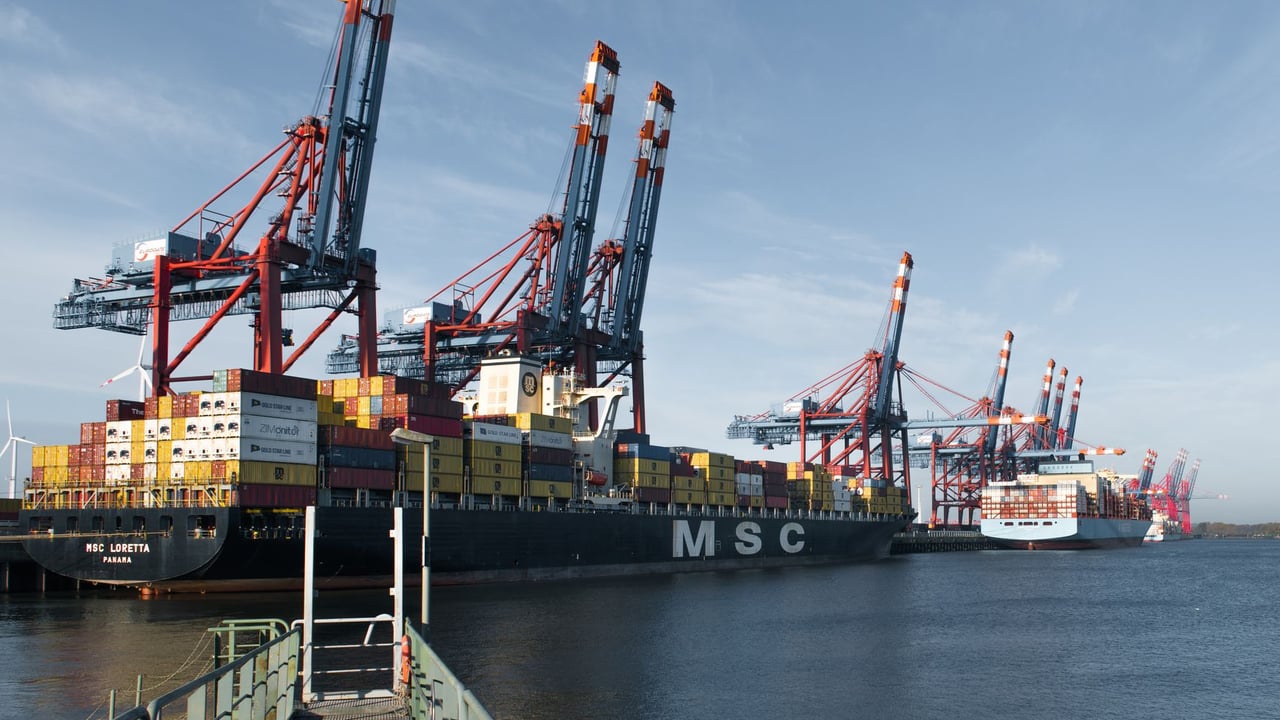
Photo by Wolfgang Weiser on Pexels
The Brief
China's Ministry of Commerce responded on October 6 to reports that France and Germany submitted an informal proposal urging the European Commission to strengthen EU trade defense instruments and introduce new protective measures. A ministry spokesperson stated that economic interdependence does not constitute a risk and warned that protectionism and decoupling would ultimately harm European interests. Urging both nations to uphold open cooperation and World Trade Organization rules, Beijing cautioned against politicizing economic ties and overextending security concerns in trade policy.
Why it matters
As the European Union's two largest economies, coordinated pressure from France and Germany often sets the strategic agenda for the European Commission. A formal push to expand the bloc's defensive trade toolkit indicates a hardening stance on international trade competition, carrying significant implications for EU-China trade flows and future regulatory compliance.
China context
Beijing's quick pushback underscores its ongoing strategy to contest European economic security doctrines that frame trade integration as a structural vulnerability. By emphasizing adherence to multilateral rules and framing supply chain decoupling as self-defeating, the Ministry of Commerce seeks to deter EU institutions from adopting aggressive anti-subsidy or retaliatory trade measures.
Editor's View
EDITOR'S VIEW — Analysis and inference, not factual reporting.
The diplomatic friction highlights an unresolved dilemma in China-Europe economic relations: European capitals increasingly regard industrial overcapacity and supply chain vulnerabilities as strategic threats requiring institutional defenses, while Beijing views such mechanisms as disguised protectionism that undermines global commerce. France and Germany's joint initiative suggests that defensive industrial policies are becoming entrenched in mainstream EU governance, diminishing the likelihood of a near-term détente on bilateral trade disputes.
What to watch
- Whether the European Commission translates the French and German informal paper into concrete regulatory or legislative proposals.
- Official responses or public clarifications from French and German ministries regarding the specific trade instruments requested.
- Potential debates or challenges raised within World Trade Organization forums regarding new EU defensive mechanisms.
Key Takeaways
- 1France and Germany reportedly submitted an informal document on October 5 asking the European Commission to strengthen trade defense instruments.
- 2China's Ministry of Commerce responded on October 6, warning that protectionism fails to improve competitiveness and will harm Europe.
- 3The spokesperson urged both European nations to abide by WTO rules and refrain from politicizing commercial ties or overextending security concerns.
China's Ministry of Commerce has publicly cautioned France and Germany against encouraging the European Union to deploy more aggressive trade defense mechanisms, following media reports that Paris and Berlin jointly submitted proposals to the European Commission.
According to an official Q&A released by the Ministry of Commerce on October 6, media reports indicated that the French and German governments submitted an informal non-paper on October 5 urging the European Commission to intensify the use of existing trade defense tools and establish additional protective instruments.
In response, a spokesperson for the Ministry of Commerce noted that Beijing had taken note of the reports and reiterated China's position that economic interdependence should not be treated as an inherent risk. The ministry emphasized that shared economic interests do not represent a threat to partner nations, arguing that open international cooperation remains the proper path for global development.
The spokesperson stated that protectionist policies cannot enhance economic competitiveness and asserted that decoupling supply chains produces self-inflicted economic harm. As major global economies, France and Germany were urged to maintain their commitment to open trade and adhere to World Trade Organization (WTO) rules rather than prompting the European Commission to rely on defensive measures.
Beijing also warned against politicizing economic and trade disputes or applying overbroad national security standards to commercial exchanges, remarking that proceeding along a protectionist trajectory would ultimately backfire on European economies.
The friction emerges as European policymakers continue to debate instruments designed to safeguard internal markets from distorted competition and trade imbalances. While Beijing consistently calls for adherence to traditional WTO frameworks, member states have increasingly sought swifter defensive mechanisms within EU institutions to shield local industries.
Sources
- 商务部新闻发言人就法德要求欧盟强化贸易防御等保护主义工具答记者问 — National Business Daily · 10/6/2026
- 商务部新闻发言人就法德要求欧盟强化贸易防御等保护主义工具答记者问 — Yicai · 10/6/2026
- 商务部新闻发言人就法德要求欧盟强化贸易防御等保护主义工具答记者问 — Securities Times · 10/6/2026
- 中国商务部回应法德要求欧盟强化贸易防御等保护主义工具 — China News Service · 10/6/2026