
Policy & RegulationAnalysis
China and US Open Economic and Trade Consultations in New York
A Chinese delegation led by Vice Premier He Lifeng opens talks in the United States to address bilateral economic and trade concerns.
Share
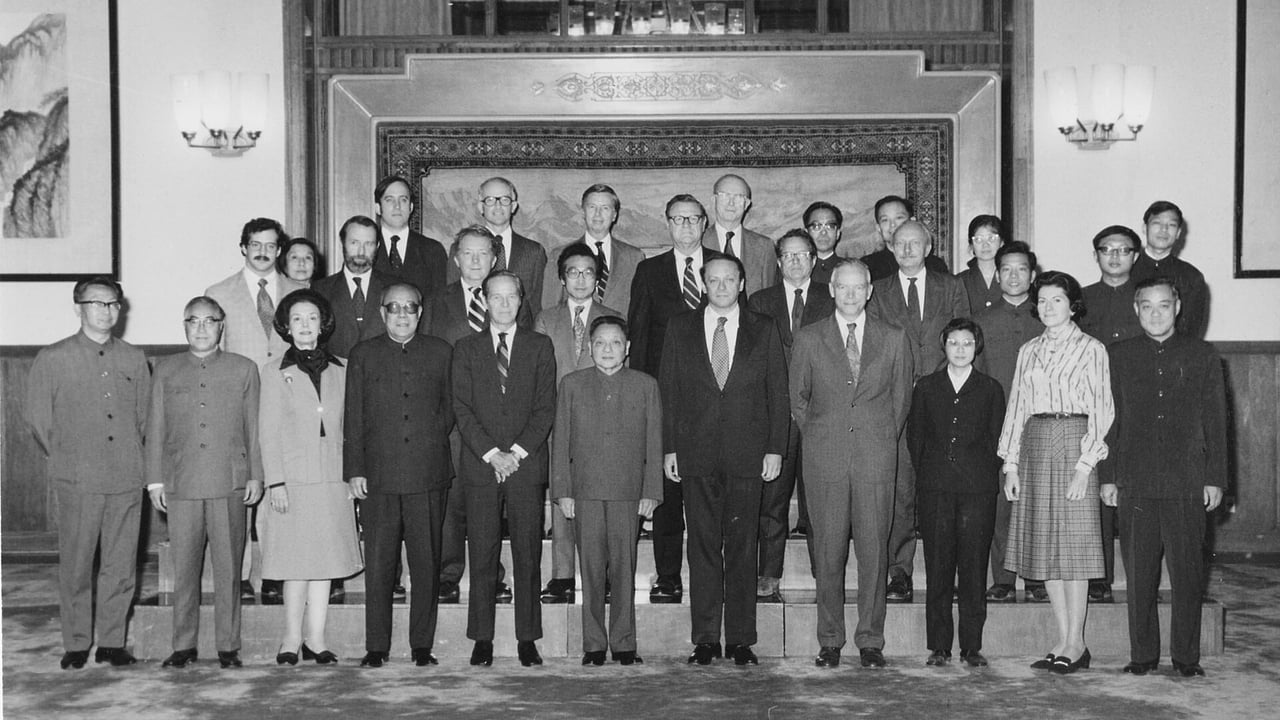
Sumin Chou (On behalf of US-China Arts Exchange) via Wikimedia Commons, CC BY-SA 4.0
The Brief
Economic and trade delegations from China and the United States commenced bilateral consultations in New York on the morning of September 20, according to Chinese state media. The discussions follow an announcement by China's Ministry of Commerce that Vice Premier He Lifeng would lead a delegation to the United States from September 19 to 23. Guided by guidance established between the two heads of state, the meetings aim to address bilateral trade and economic concerns.
Why it matters
The meeting between Chinese and U.S. trade representatives marks an important step in maintaining high-level direct communication between the world's two largest economies. Given ongoing tensions over commerce, investment, and technology policies, direct engagement provides a mechanism to convey mutual priorities and prevent miscalculations in bilateral economic ties.
China context
Leading the delegation is Vice Premier He Lifeng, a member of the Political Bureau of the CPC Central Committee who oversees China's economic portfolio. Beijing has consistently framed bilateral economic dialogue around mutual respect and the strategic guidance established by head-of-state diplomacy, balancing firmness on core interests with practical engagement.
Editor's View
EDITOR'S VIEW — Analysis and inference, not factual reporting.
The convening of vice-premier-level consultations in New York highlights that both administrations still view direct diplomatic channels as necessary to manage friction. Even without an immediate announcement of sweeping agreements, the presence of senior economic decision-makers suggests an effort to stabilize expectations and maintain formal dialogue channels.
What to watch
- Whether either government releases a joint statement or readouts summarizing specific outcomes upon the conclusion of the talks.
- Any signals regarding progress on substantive friction points, such as tariffs, market access, and trade restrictions.
- Potential announcements establishing follow-up working-level meetings or additional high-level economic exchanges.
Key Takeaways
- 1Chinese and U.S. economic and trade teams opened consultations in New York on the morning of September 20.
- 2Chinese Vice Premier He Lifeng is leading the Chinese delegation during a visit scheduled from September 19 to 23.
- 3China's Ministry of Commerce stated that the consultations focus on economic and trade issues of mutual concern under head-of-state guidance.
Economic and trade teams from China and the United States commenced consultations in New York on the morning of September 20, according to reports published by Xinhua and carried across Chinese official media.
The sessions come after China's Ministry of Commerce confirmed that He Lifeng, a member of the Political Bureau of the Communist Party of China Central Committee and Vice Premier of the State Council, would lead a delegation to the United States from September 19 to September 23 for talks.
According to the Ministry of Commerce, the consultations were arranged by mutual agreement between both countries. The discussions are intended to be guided by the consensus reached between the two nations' heads of state, focusing on economic and trade issues of mutual concern.
Neither side released an immediate detailed agenda or a list of specific deliverables as the meetings got underway on Saturday morning. Initial official reports focused primarily on confirming the commencement of the talks and outlining the designated dates of the Chinese delegation's visit.
The talks take place against a backdrop of prolonged bilateral complexity, where trade balances, industrial policies, investment oversight, and regulatory restrictions remain prominent points of friction. Maintaining formal discussion channels at the vice-premier level represents an established mechanism for both governments to communicate policy stances directly.
Further readouts and statements are expected following the conclusion of the delegation's scheduled visit on September 23, which will clarify whether any tangible agreements or regularized working frameworks were reached during the New York sessions.
Sources
- 中美经贸磋商在美国纽约开始举行 — Yicai · 9/20/2026
- 中美经贸磋商在美国纽约开始举行 — Securities Times · 9/20/2026
- 中美经贸磋商在美国纽约开始举行 — State Council of China · 9/20/2026
- 中美经贸磋商在美国纽约开始举行 — China News Service · 9/20/2026