
Policy & RegulationAnalysis
China and US Seek Feedback on Proposed $30 Billion Reciprocal Tariff Cuts
Both nations gather stakeholder input to finalize product lists and establish a joint Trade Council framework.
Share
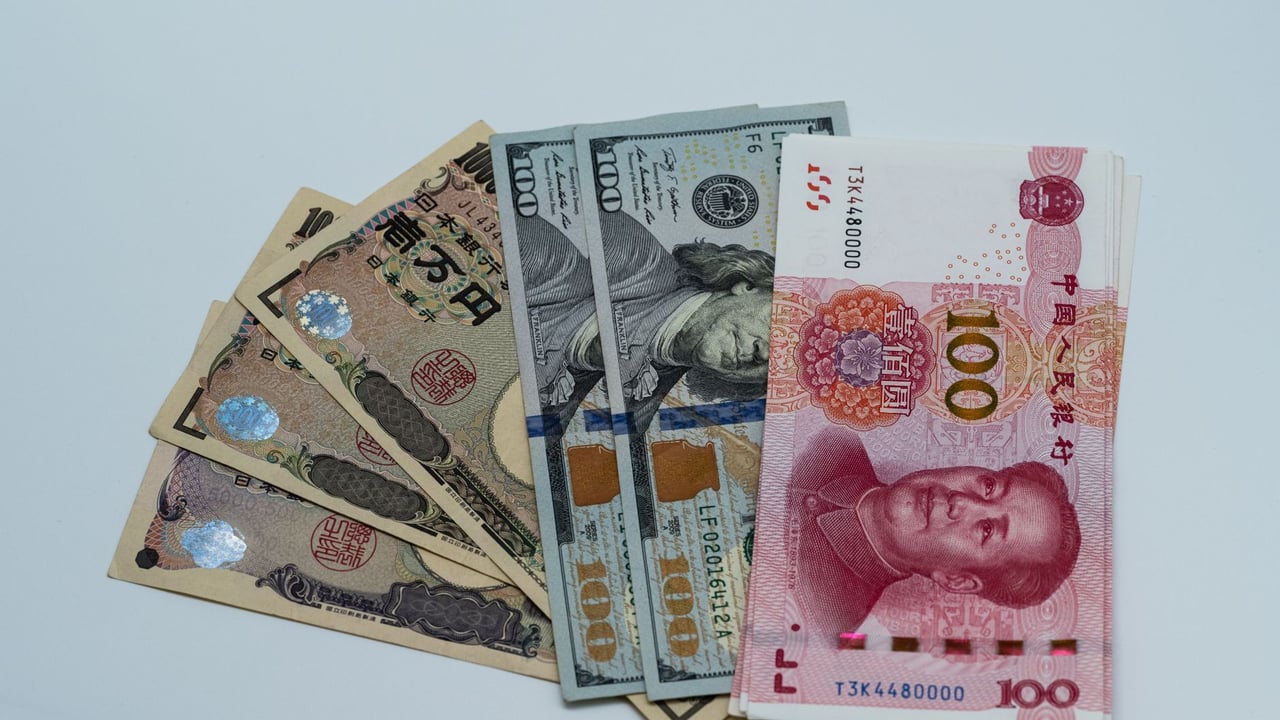
Photo by Qing Luo on Pexels
The Brief
Chinese and U.S. economic teams are engaged in discussions regarding a proposed reciprocal framework to lower tariffs on $30 billion worth of goods from each country, according to China's Ministry of Commerce. Speaking at a State Council Information Office press conference on July 23, 2026, Meng Huating, Director-General of the ministry's Department of Foreign Investment Management, stated that China is soliciting feedback from domestic companies, local governments, and foreign business associations. Meanwhile, the U.S. side is collecting public comments on the tariff plan and a joint Trade Council. Both sides aim to agree on specific product lists and implement the arrangements as soon as possible.
Why it matters
A reciprocal $30 billion tariff reduction framework signals a practical attempt by Beijing and Washington to alleviate trade friction and offer greater predictability for commercial actors. By actively gathering feedback from businesses and industry groups, both sides are seeking to address tangible market demands through structured dialogue.
China context
Beijing's consultation process includes domestic companies, local authorities, and foreign-invested enterprise associations, reflecting an effort to align trade policy with market demand. The inclusion of U.S. business groups operating in China underscores an intention to maintain open commercial channels despite broader geopolitical competition.
Editor's View
EDITOR'S VIEW — Analysis and inference, not factual reporting.
While a $30 billion reciprocal tariff reduction covers a targeted segment of bilateral trade, the effort demonstrates a shared interest in selective relief and institutionalizing dialogue. The initiative's impact will depend on the specific product categories selected and whether the proposed Trade Council can successfully manage broader commercial disputes.
What to watch
- Publication of the final product lists selected for reciprocal tariff cuts by both governments.
- Official announcements detailing the structure, mandate, and operating mechanisms of the China-U.S. Trade Council.
- Implementation timelines and subsequent shifts in bilateral import and export figures.
Key Takeaways
- 1China and the U.S. are discussing a reciprocal framework to reduce tariffs on $30 billion worth of goods from each side.
- 2MOFCOM official Meng Huating confirmed ongoing talks regarding the structure and function of a joint Trade Council.
- 3China is soliciting input from domestic businesses, local governments, and U.S. business associations, while the U.S. gathers public comments.
- 4Both nations plan to finalize product coverage and move toward prompt implementation to expand trade.
On July 23, 2026, officials from China's Ministry of Commerce (MOFCOM) announced that Chinese and U.S. economic teams are holding close discussions on a proposed framework for reciprocal tariff reductions involving $30 billion worth of goods from each country.
Speaking at a press conference hosted by the State Council Information Office, Meng Huating, Director-General of MOFCOM's Department of Foreign Investment Management, provided an update on bilateral discussions concerning trade and investment mechanisms. According to Meng, the two sides are maintaining active communication regarding the structure, core functions, and operational framework of a joint Trade Council, alongside exploring the $30 billion reciprocal tariff reduction plan.
To prepare for the proposed adjustments, China has initiated a broad consultation process. Relevant authorities are gathering opinions and suggestions on suggested tariff cuts from a range of stakeholders, including domestic enterprises, trade associations, local governments, and American business groups operating in China. At the same time, the U.S. side is gathering public comments on both the Trade Council setup and the tariff reduction framework.
Meng noted that both sides plan to maintain close exchanges to finalize specific product coverage as soon as possible, with the goal of pushing for prompt implementation to facilitate and expand bilateral trade.
The initiative represents a structured effort to lower trade barriers through negotiated, balanced adjustments. While the $30 billion figure represents a specific portion of overall China-U.S. trade volume, the deliberate solicitation of market feedback highlights a shared intention to incorporate direct commercial input into trade policy execution.
Sources
- 商务部:中美正就降税安排征求意见并将尽快推动实施 — NetEase · 7/23/2026
- 商务部:中美正就降税安排征求意见并将尽快推动实施--经济·科技--人民网 — People's Daily · 7/23/2026