
Policy & RegulationAnalysis
China to Issue 300 Billion Yuan in Special Sovereign Debt for State Financial Institutions
Capital injections will bolster core tier-1 reserves across eight major state banks and insurers, according to official reports.
Share
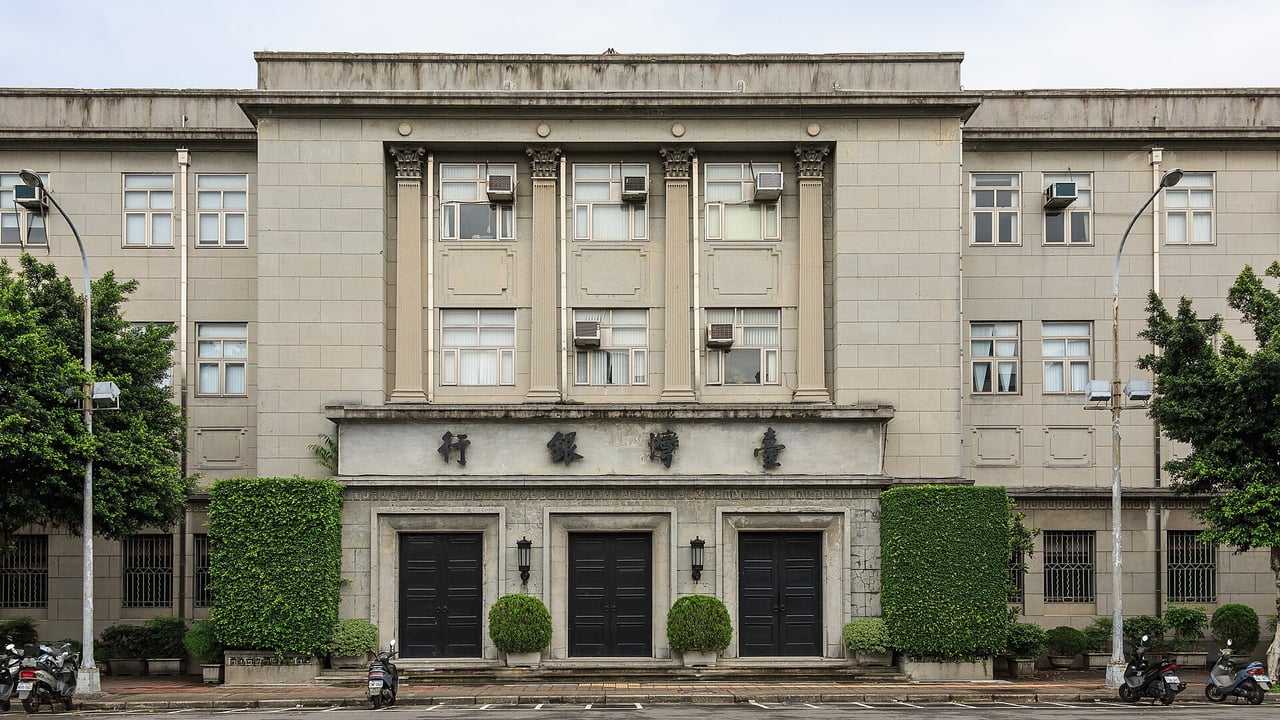
CEphoto, Uwe Aranas via Wikimedia Commons, CC BY-SA 3.0
The Brief
China's Ministry of Finance plans to issue 300 billion yuan in special treasury bonds in the near future to inject core tier-1 capital into eight major centrally administered financial enterprises, according to official reports from Xinhua. On the same day, institutions including Industrial and Commercial Bank of China, Agricultural Bank of China, the Export-Import Bank of China, Sinosure, and four major state-owned insurers published their respective recapitalization plans. Industry observers framed the move as a proactive, forward-looking measure to bolster balance sheets and steady the broader economy.
Why it matters
The recapitalization directly bolsters the capital adequacy of China's most systemically important state-owned financial institutions, spanning both commercial banking and insurance. As net interest margins compress and financial institutions face ongoing demands to support economic growth, strengthening core tier-1 capital expands their capacity to absorb potential credit shocks while maintaining steady lending to the real economy.
China context
Deploying special sovereign bonds to recapitalize state-owned financial giants echoes previous rounds of state-led restructuring, notably the late 1990s sovereign debt issuance to replenish the capital base of the Big Four lenders. In the current economic cycle, using central government debt rather than commercial debt or retained earnings provides clean, high-quality core equity capital without diluting public market confidence.
Editor's View
EDITOR'S VIEW — Analysis and inference, not factual reporting.
The decision to inject capital into both commercial banks and state insurers reveals a broader strategy to shield state-owned balance sheets before asset quality concerns deepen. While designated as a forward-looking stabilization measure, the capital deployment also reflects the ongoing fiscal and structural burdens placed on state lenders amid economic adjustments and property-sector headwinds.
What to watch
- Specific issuance tranches, maturities, and coupon rates set by the Ministry of Finance.
- Detailed regulatory filings and equity structure adjustments released by the eight recipient institutions.
- Potential downstream impact on bank lending targets and dividend payout policies for the current fiscal year.
Key Takeaways
- 1The Ministry of Finance will issue 300 billion yuan in special treasury bonds to replenish core tier-1 capital.
- 2Eight centrally administered financial institutions are covered, including ICBC, Agricultural Bank of China, Exim Bank of China, Sinosure, PICC, China Life, China Taiping, and China Re.
- 3All eight entities disclosed capital replenishment plans concurrently with the announcement.
- 4State media and industry analysts characterized the intervention as a proactive, forward-looking measure to safeguard financial stability.
China's Ministry of Finance will soon issue 300 billion yuan (approximately $42 billion) in special treasury bonds to inject core tier-1 capital into eight major state-owned financial enterprises, according to reports published by Xinhua and state media outlets on September 6, 2026.
Following the announcement, all eight institutions released individual capital replenishment proposals on the same day. The group comprises two of the country's largest commercial lenders, Industrial and Commercial Bank of China (ICBC) and Agricultural Bank of China (ABC); policy lender the Export-Import Bank of China; export credit insurer China Export & Credit Insurance Corporation (Sinosure); and four primary state insurance groups: People's Insurance Company of China (PICC), China Life Insurance (Group) Company, China Taiping Insurance Group, and China Reinsurance (Group) Corporation.
According to industry analysts cited by state media, the central government's capital injection functions as a proactive, forward-looking arrangement designed to foster high-quality development among key financial enterprises and support stable, long-term macroeconomic operations.
The deployment of special sovereign bonds directly strengthens the core tier-1 capital of these systemically important entities. Core tier-1 equity represents the highest-quality layer of regulatory capital, acting as a crucial buffer to absorb unexpected losses. Large state lenders have faced persistent downward pressure on net interest margins in recent quarters, compounded by demands to extend credit support to strategic emerging sectors, infrastructure projects, and small businesses.
While state media described the policy step as an initiative to stay ahead of potential balance-sheet pressures, the specific timeline for the bond issuance, allocations among the eight institutions, and final regulatory approval schedules have yet to be disclosed in detail by the Ministry of Finance.
Sources
- 未雨绸缪:中央财政3000亿注资8家金融央企 — Yicai · 9/6/2026
- 财政部将发行3000亿特别国债支持8家中央金融企业补充资本 — Sina Finance · 9/6/2026
- 财政部将发行特别国债支持8家中央金融企业补充资本--经济·科技--人民网 — People's Daily · 9/6/2026