
Policy & RegulationAnalysis
China Securities Regulator Denies Reports of Potential VIE Listing Ban
The CSRC clarifies that reports regarding a prohibition on Variable Interest Entity structures for overseas listings are inaccurate.
Share
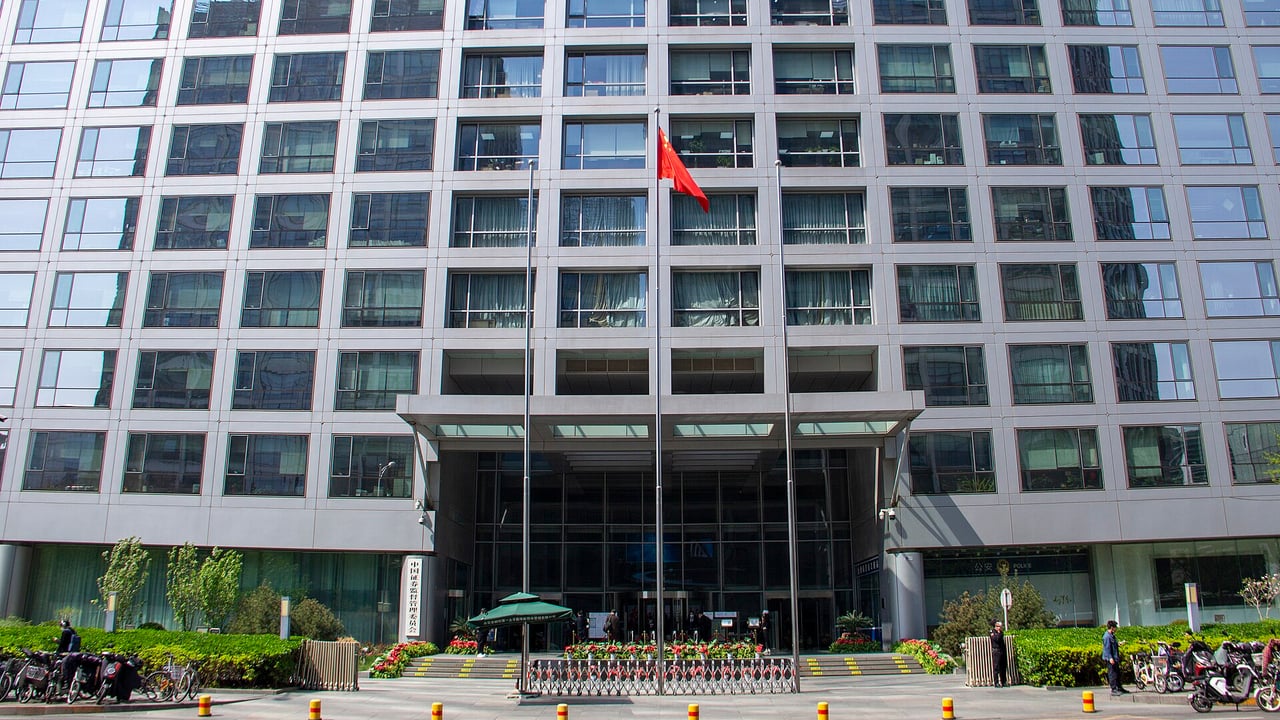
維基小霸王 via Wikimedia Commons, CC BY-SA 4.0
The Brief
The China Securities Regulatory Commission (CSRC) has officially refuted international media reports claiming that Chinese authorities intend to ban companies using the Variable Interest Entity (VIE) structure from listing on foreign exchanges. In a brief statement issued by a departmental spokesperson, the regulator characterized these reports as untrue. This clarification comes amid heightened market sensitivity regarding the regulatory environment for Chinese technology firms and their access to international capital markets through complex corporate structures.
Why it matters
The VIE structure is the primary mechanism through which many of China's largest technology companies access international capital. A ban on this architecture would fundamentally alter the financing landscape for Chinese firms and could significantly impact investor confidence in the global market for Chinese equities. The CSRC's prompt denial serves as a critical signal to stabilize market expectations during a period of regulatory transition.
China context
Following the implementation of the Data Security Law and the regulatory scrutiny surrounding Didi Global's IPO, Chinese oversight of overseas listings has entered a sensitive phase. Any perceived shift in policy regarding VIE structures is closely monitored by both domestic stakeholders and international investors, as it touches upon the core legal framework that has enabled decades of cross-border investment.
Editor's View
EDITOR'S VIEW — Analysis and inference, not factual reporting.
The CSRC's direct denial highlights the tension between evolving domestic regulatory frameworks and the need to maintain stable channels for international capital. While the regulator has dismissed the immediate rumor of a ban, the broader trend suggests that the 'wild growth' era of VIE listings is being replaced by a more structured, security-focused oversight regime. Investors should interpret this denial not necessarily as a return to the status quo, but as a commitment to a managed transition rather than an abrupt decoupling.
What to watch
- Potential new filing requirements or administrative regulations for overseas listings from the CSRC.
- Further investigative reporting or clarifications from international media outlets regarding their original sources.
- Stock price fluctuations and trading volume trends for US-listed Chinese companies (ADRs).
Key Takeaways
- 1The CSRC officially denied reports that it plans to ban VIE-structured companies from listing overseas.
- 2A departmental spokesperson characterized the international media reports as 'not true'.
- 3The clarification follows a period of intense market speculation regarding the future of Chinese tech listings.
The China Securities Regulatory Commission (CSRC) has issued a formal clarification regarding the future of the Variable Interest Entity (VIE) structure, a common framework used by Chinese companies to list on international stock exchanges. In a statement released on its official platform, the regulator addressed recent reports from foreign media outlets suggesting that a ban on such listings was imminent.
Responding to a specific inquiry about whether the reports of a prohibition on VIE-structured companies listing abroad were accurate, a spokesperson for the relevant department of the CSRC stated that the information was 'not true'. The regulator noted that it had taken notice of the media coverage but maintained that the claims of a pending ban were unfounded.
The VIE structure has been a cornerstone of the Chinese tech sector's expansion for over two decades, allowing companies in restricted industries—such as internet services and telecommunications—to bypass domestic foreign investment limits and attract capital from global investors. By using contractual arrangements rather than direct equity ownership, firms like Alibaba, Tencent, and Baidu were able to list in New York and Hong Kong.
However, the legal status of these structures has long existed in a regulatory gray area. Recent years have seen increased scrutiny from Chinese authorities regarding data security and the cross-border flow of sensitive information. This has led to widespread speculation that the government might move to close the VIE loophole or impose significantly stricter conditions on its use.
While the CSRC's latest statement provides a temporary reprieve from these concerns, it does not detail the specific future parameters of VIE oversight. The denial focuses strictly on the inaccuracy of reports claiming an outright ban, leaving open the possibility of future regulatory adjustments or a new registration-based system for overseas listings. Market participants continue to monitor for any formal policy documents that might clarify the long-term viability of the VIE model under China's updated national security and data protection frameworks.
Sources
- 政府网站年度报表 — China Securities Regulatory Commission · 7/16/2026