
Policy & RegulationAnalysis
Former Chinese Badminton Association Executive Wang Wei Placed Under Probe
A former vice president and secretary-general of the Chinese Badminton Association is facing a supervisory investigation amid a continuing anti-graft drive.
Share
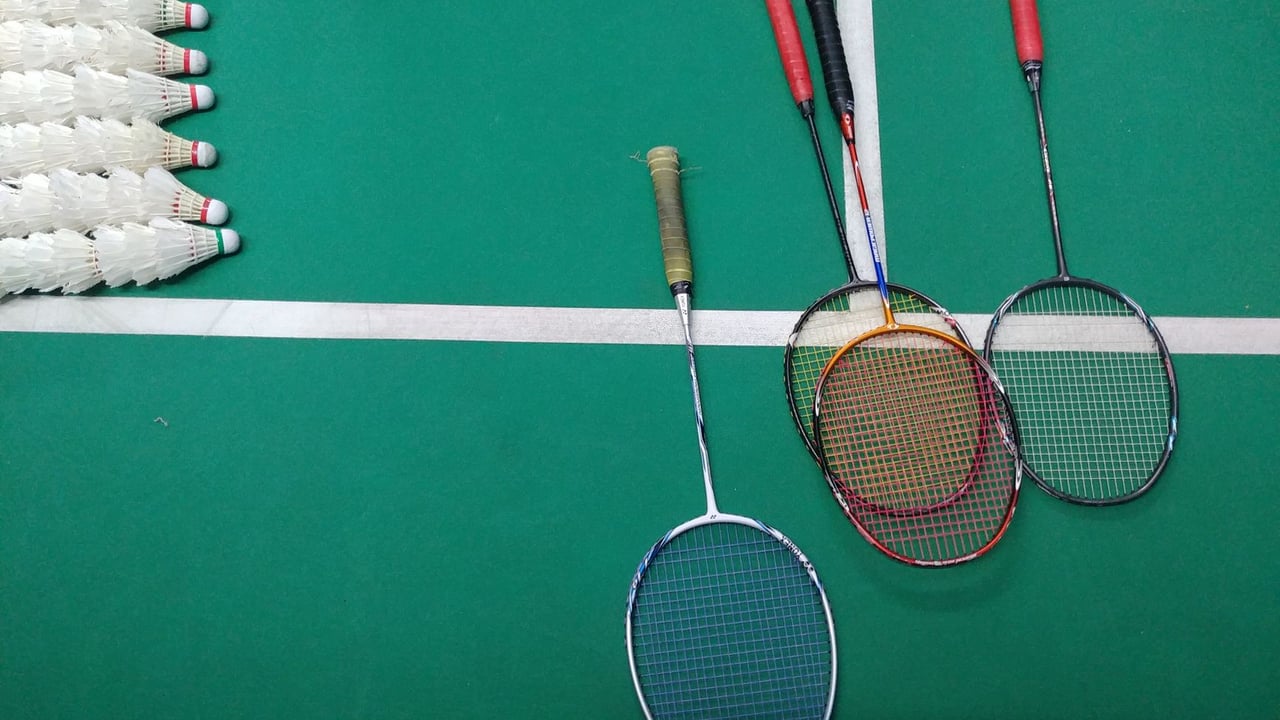
Photo by eric anada on Pexels
The Brief
Wang Wei, former vice president and secretary-general of the Chinese Badminton Association, has been placed under supervisory investigation, according to state-run China News Service. Badminton is one of China's premier Olympic and commercial sports, making high-level disciplinary scrutiny within its governing body a notable development in the country's ongoing campaign against corruption across sports administration.
Why it matters
Badminton is a traditional pillar of China's elite competitive athletics with substantial commercial appeal and public visibility. Placing a former core leader of its national governing association under investigation signals that regulatory oversight and anti-corruption measures are reaching deep into individual sports federations.
China context
Over the past several years, Chinese supervisory authorities have intensified enforcement against misconduct across the domestic sports system. The initiative has targeted administrative opacity, event licensing, sponsorship arrangements, and procurement, placing greater accountability on the leading officials who oversee national governing bodies.
Editor's View
EDITOR'S VIEW — Analysis and inference, not factual reporting.
The investigation into Wang Wei reflects the institutional normalization of supervisory oversight within single-sport associations that historically operated with considerable administrative and commercial autonomy. As sporting bodies in China navigate commercialization alongside state performance mandates, anti-graft authorities are increasingly focusing on the operational bottlenecks where regulatory authority and financial interests intersect.
What to watch
- Subsequent official bulletins from supervisory authorities detailing the scope of allegations and procedural outcomes.
- Potential institutional restructuring, internal reviews, or governance reforms initiated by the Chinese Badminton Association and sports regulators.
Key Takeaways
- 1China News Service reported that Wang Wei, former vice president and secretary-general of the Chinese Badminton Association, is under supervisory investigation.
- 2Badminton is one of China's flagship sports, heightening public and regulatory attention on the association's governance.
- 3The case follows broader anti-corruption campaigns targeting administrative discretion, commercial partnerships, and event management across national sports bodies.
- 4Detailed formal charges or specific findings have not yet been made public by supervisory authorities.
Wang Wei, the former vice president and secretary-general of the Chinese Badminton Association, has been placed under supervisory investigation, according to state-run China News Service.
Official state media reported the probe without immediately detailing the specific allegations or violations under review. In China's disciplinary apparatus, supervisory investigations are typically led by supervisory commissions and focus on suspected duty-related violations or unlawful administrative conduct by individuals exercising public management functions.
Badminton represents one of China's most decorated athletic programs, consistently delivering world championships and Olympic podium finishes while enjoying broad domestic grassroots participation. Because the national association plays a central role in athlete development, tournament licensing, national team management, and commercial sponsorships, leadership appointments and integrity issues within the organization carry high visibility.
The inquiry into Wang coincides with an expansive, multi-year anti-corruption campaign across Chinese sports administration. Disciplinary bodies have scrutinized several national sports associations and administrative bodies, investigating long-standing issues such as conflict of interest, commercial kickbacks, administrative monopolization of events, and compromised selection procedures. Enforcement actions have repeatedly emphasized the need to supervise the "critical few" holding concentrated executive power within national governing bodies.
Further procedural updates regarding the investigation are expected as supervisory authorities conclude their inquiries, which will determine whether administrative penalties or judicial referrals follow. Observers will also track whether the case prompts broader governance audits or regulatory realignments within China's badminton establishment.
Sources
- 中国羽毛球协会原副主席兼秘书长王伟接受监察调查 — China News Service · 8/31/2026