
Policy & RegulationAnalysis
Guangzhou Sets Goal for Annual Services Trade to Exceed $100 Billion by 2028
The southern Chinese metropolis aims to upgrade its trade structure and deepen modern services integration across the Greater Bay Area.
Share
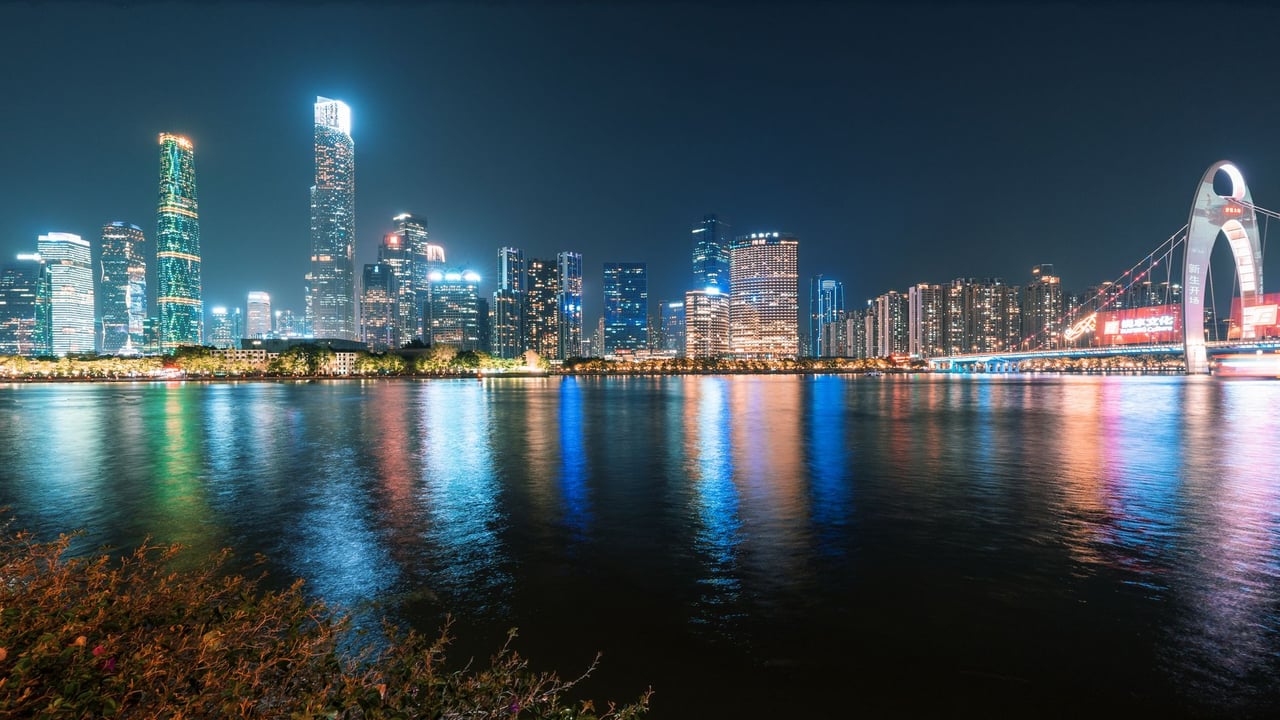
Photo by Lywin on Pexels
The Brief
Guangzhou has set a target to expand its total annual import and export volume of trade in services to more than $100 billion by 2028, according to Chinese state media reports. The initiative underscores the southern commercial center's broader transition from traditional manufacturing and goods-heavy export models toward higher-value services. By advancing institutional alignment and collaboration with Hong Kong and Macao, Guangzhou seeks to strengthen the Guangdong-Hong Kong-Macao Greater Bay Area's international standing across professional, financial, and digital service sectors.
Why it matters
Setting a $100 billion target for services trade and deepening cooperation with Hong Kong and Macao helps advance the opening-up and international competitiveness of modern service industries across the Greater Bay Area.
China context
Amid China's nationwide push to expand high-standard opening up and promote high-quality trade growth, major trading hubs like Guangzhou are accelerating their transition from goods-dominated export models toward high-value service sectors.
Editor's View
EDITOR'S VIEW — Analysis and inference, not factual reporting.
Guangzhou's medium-term trade target highlights how regional economic powerhouses in China are aligning local growth strategies with national priorities around high-standard opening-up and modern service development. For multinational firms and service providers based in Hong Kong and Macao, the municipal focus on cross-border service trade offers potential avenues for institutional coordination and market access, provided that local authorities implement transparent regulatory mechanisms and lower non-tariff barriers.
What to watch
- Release of the detailed implementation measures and full policy documents by the Guangzhou municipal commerce bureau
- Launch of initial pilot programs and cooperation projects facilitating service trade integration with Hong Kong and Macao
Key Takeaways
- 1Guangzhou has set an official target for annual service trade imports and exports to exceed $100 billion by 2028.
- 2The initiative forms part of the city's strategy to transition from goods-dominated trade toward high-value modern and digital services.
- 3Cooperation and regulatory alignment with Hong Kong and Macao are expected to serve as key drivers for Greater Bay Area integration.
Guangzhou has established an official development target aiming for its annual total import and export volume of trade in services to surpass $100 billion by 2028, according to reporting by China News Service.
The target reflects a concerted effort by the capital of Guangdong Province to modernize its external commerce portfolio. Long regarded as one of China's primary manufacturing and merchandise export gateways, Guangzhou is intensifying measures to expand knowledge-intensive, digital, and professional service sectors to sustain long-term economic momentum.
A central component of Guangzhou's services strategy is deepening economic coordination within the Guangdong-Hong Kong-Macao Greater Bay Area. The municipal authorities plan to leverage the comparative advantages of neighboring Hong Kong and Macao—particularly in finance, legal affairs, logistics, and consulting—to foster seamless cross-border service delivery and talent mobility.
At the national level, Chinese policymakers have consistently emphasized the need to optimize foreign trade structures by promoting high-value service trade alongside traditional goods trade. By establishing ambitious municipal milestones, Guangzhou aims to serve as a testing ground for regulatory convergence and service sector liberalization.
While the headline target has been announced, broader business adoption will rely heavily on the rollout of concrete administrative guidelines, including mutual recognition of professional qualifications, streamlined cross-border data flows, and fiscal incentives for digital service exporters. Observers expect subsequent announcements from local commerce authorities to outline the exact sector-by-sector roadmaps and operational frameworks necessary to realize the $100 billion benchmark over the next four years.
Sources
- 广州提出至2028年服务贸易年进出口总额超1000亿美元 — China News Service · 8/18/2026